

 English
 Español
 عربى
عربى
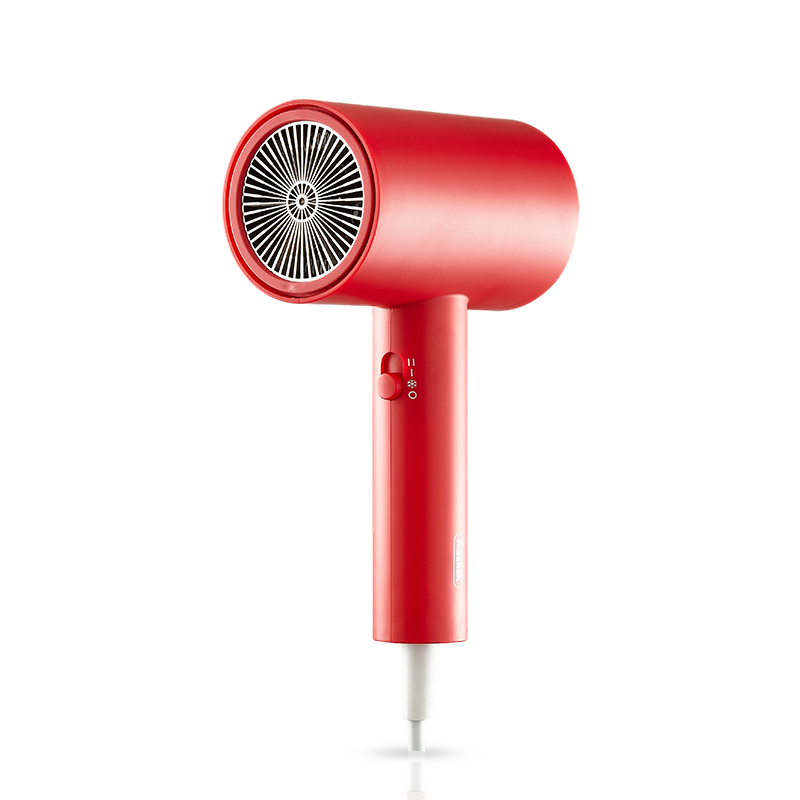
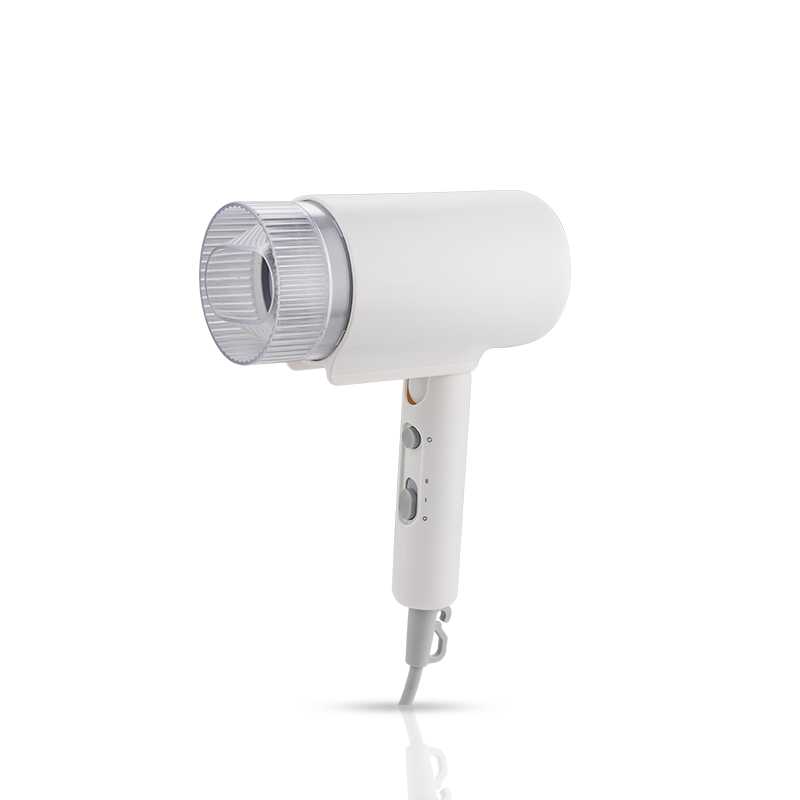
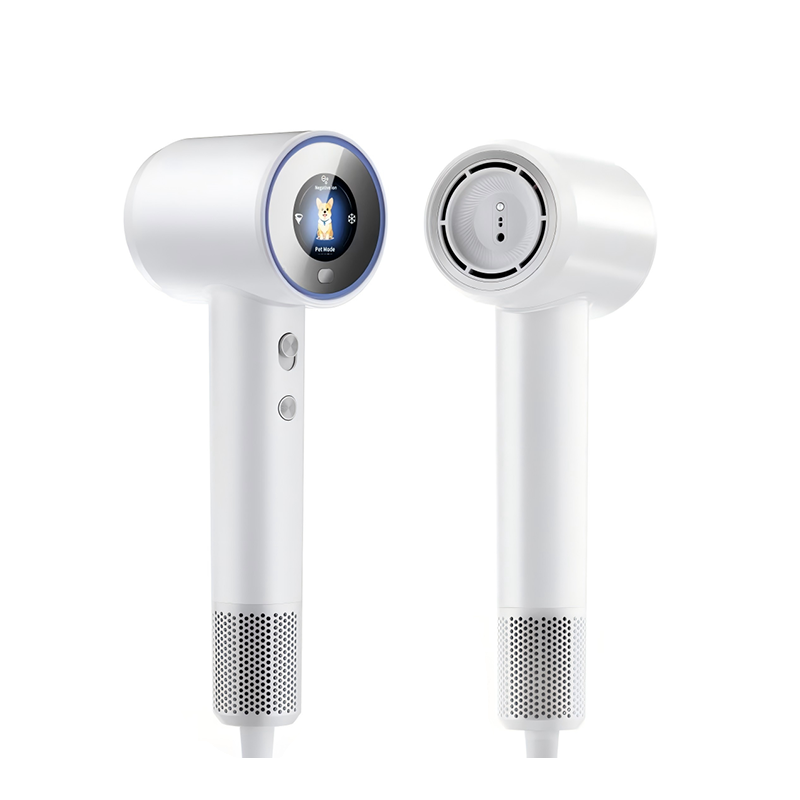
Can an Ionic Household Hair Dryer Truly Reduce Frizz and Static?
The quest for salon-perfect hair at home has led to a surge in advanced beauty technologies, with “Ionic Technology” sitting at the top of the list. If you have ever browsed for a new household hair dryer, you’ve likely seen bold claims about negative ions transforming frizzy manes into silky tresses. But for many consumers, the term “ionic” sounds like marketing jargon. In an open-market environment where every brand competes for the “best hair dryer” title, understanding the science behind these claims is essential.
The Science of Smoothness: How Negative Ions Interact with Hair
To understand the efficacy of an ionic household hair dryer, we must first look at the microscopic structure of human hair. Each hair strand is covered in tiny, shingle-like structures called cuticles. In their healthy, natural state, these cuticles lie flat. However, environmental factors, towel drying, and standard heat styling create a positive electrical charge on the hair surface. This causes the cuticles to lift and repel each other—a phenomenon we commonly experience as “frizz” and “static electricity.”
Neutralizing Positive Charges for Static Control
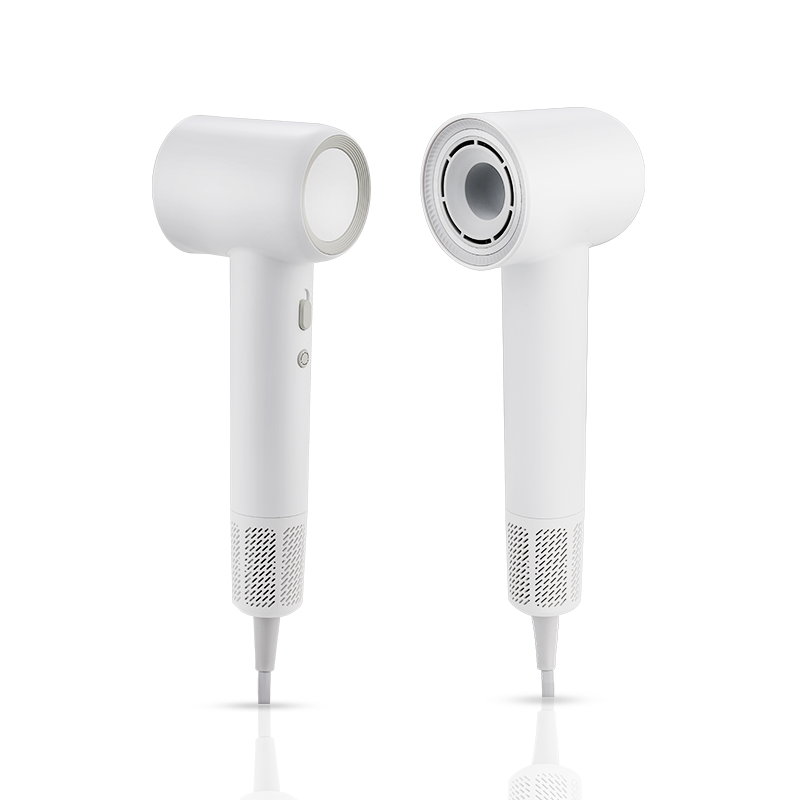
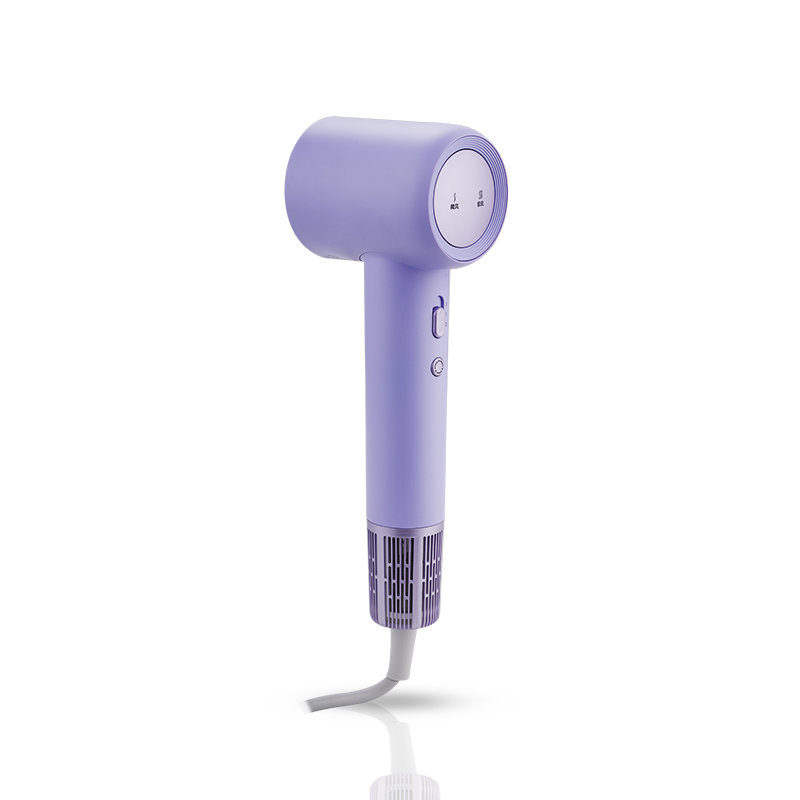
The core function of an ionic generator inside a high-performance hair dryer is to emit a constant stream of negative ions. As you dry your hair, these negative ions attach to the positively charged wet hair strands. This chemical interaction neutralizes the static electricity instantly. By calming the “electrical chaos” on your head, the hair cuticles are encouraged to snap back into a flat, sealed position. A sealed cuticle reflects light more uniformly, which explains why hair dried with an ionic tool appears significantly glossier and more vibrant than hair dried with traditional heating elements.
Accelerated Evaporation through Water Molecule Breakdown
Beyond aesthetic smoothing, ions play a mechanical role in the drying process. Water molecules on wet hair are naturally large clusters. Standard household hair dryers rely purely on high heat to evaporate these clusters, which can take time and cause thermal damage. Negative ions, however, break these large water droplets into microscopic micro-droplets. These smaller particles can either be absorbed back into the hair shaft (providing internal hydration) or evaporate at a much faster rate. This “split-action” technology allows users to achieve a dry finish in up to 50% less time, significantly reducing the “heat-stress window” for your hair.
Ionic vs. Ceramic vs. Tourmaline: Navigating Dryer Technologies
When sourcing a premium household hair dryer for your family, you will encounter various technical terms often used alongside “ionic.” Choosing the right combination depends heavily on your specific hair type and styling goals.
Comparing High-End Drying Features
While “Ionic” focuses on static, other materials like Ceramic and Tourmaline address heat distribution and infrared energy. For professional-grade results at home, many modern units now combine all three technologies to provide a balanced drying experience.
-
What is the Difference Between an Ionic and Household Hair Dryer?
Introduction: Decoding the Science of Modern Hair Styling For decades, the humble household hair dry...
-
How Hot Does a Hair Dryer Get and Can You Take It on a Plane
Personal Care Appliance Guide How Does a Hair Dryer Work, and What Should Users Know Before Choosi...
-
Hair Dryer Manufacturers: How to Evaluate OEM and ODM Partners for Your Brand
If two hair dryer manufacturers quote what looks like the same product — an 1800 W dryer with negat...
-
Hair Styling Appliances Manufacturers: A Sourcing Guide for Brands
It takes only one defective shipment to erase a year of brand building. For companies importing hai...
-
Hair Styling Gadgets for OEM/ODM Brands: Selection and Manufacturing Guide
When a product manager at a personal care brand sits down to review a new line of hair styling gadg...
-
Hair Styling Appliances: Types, Technology, and Choosing a Manufacturing Partner
When you pick up a hair styling appliance, the most important information is often printed in small...
- Home Products About Service News Contact
- Personal Care Products Pet Appliances
-
- Email: [email protected] Phone: +86-137 7710 9088 Add: Industrial Park of Henghe Town, Cixi City, Zhejiang Province, China
-
Contact Us Anytime for Exclusive Solutions
