

 English
 Español
 عربى
عربى
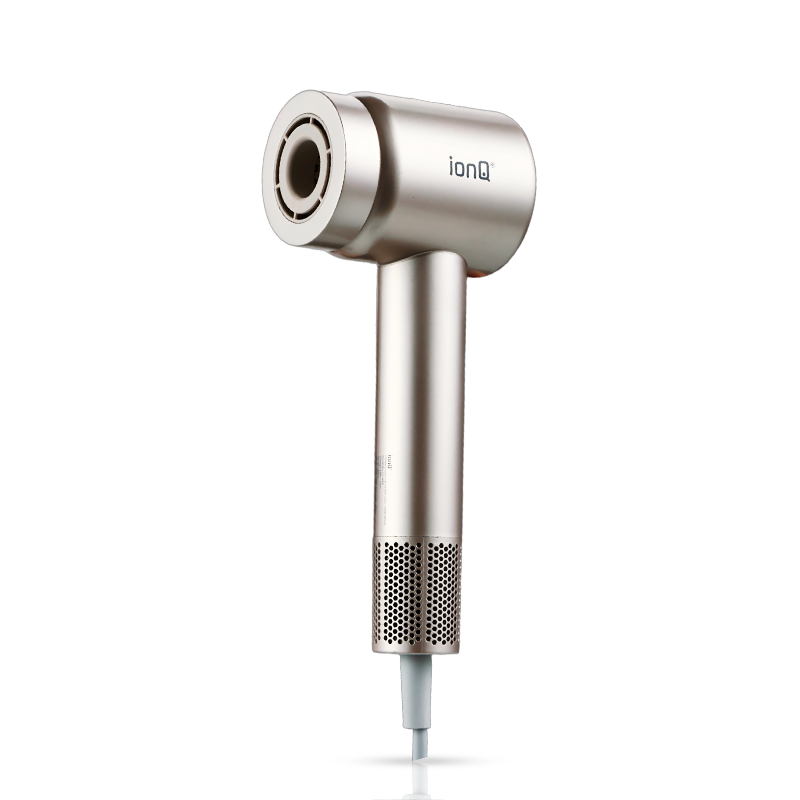
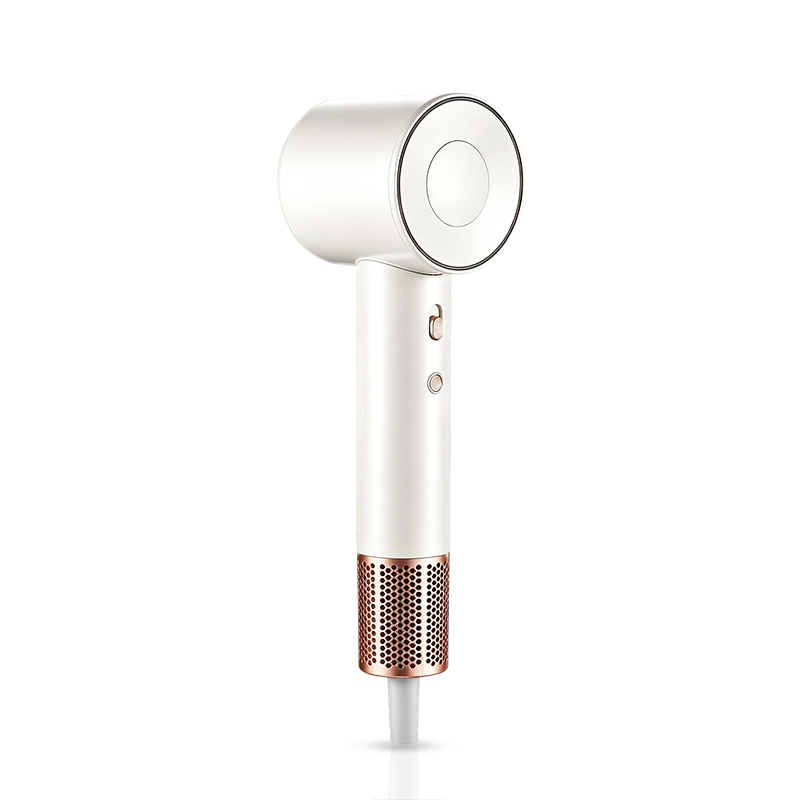
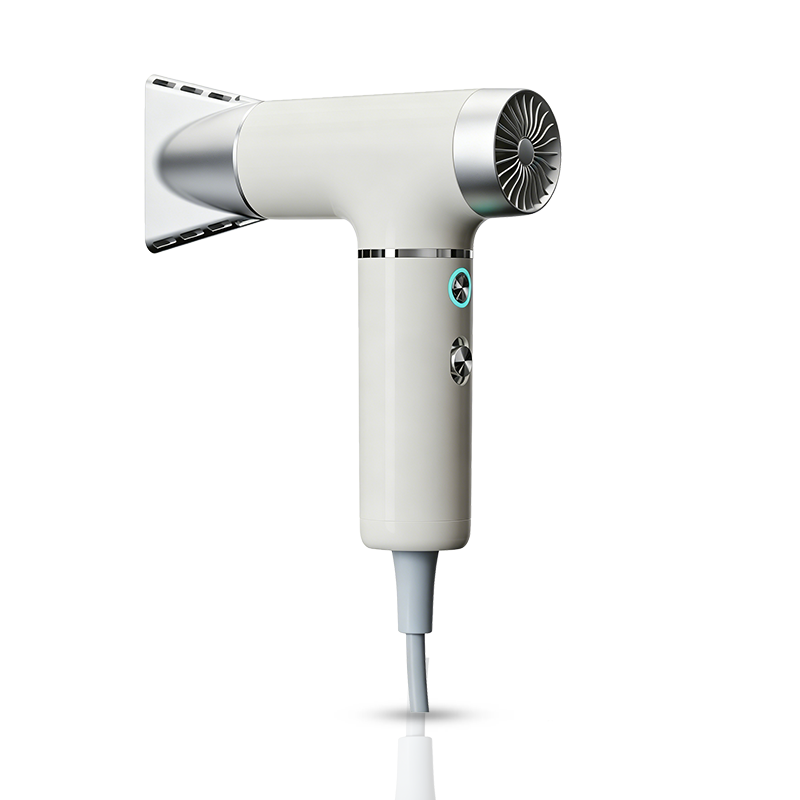
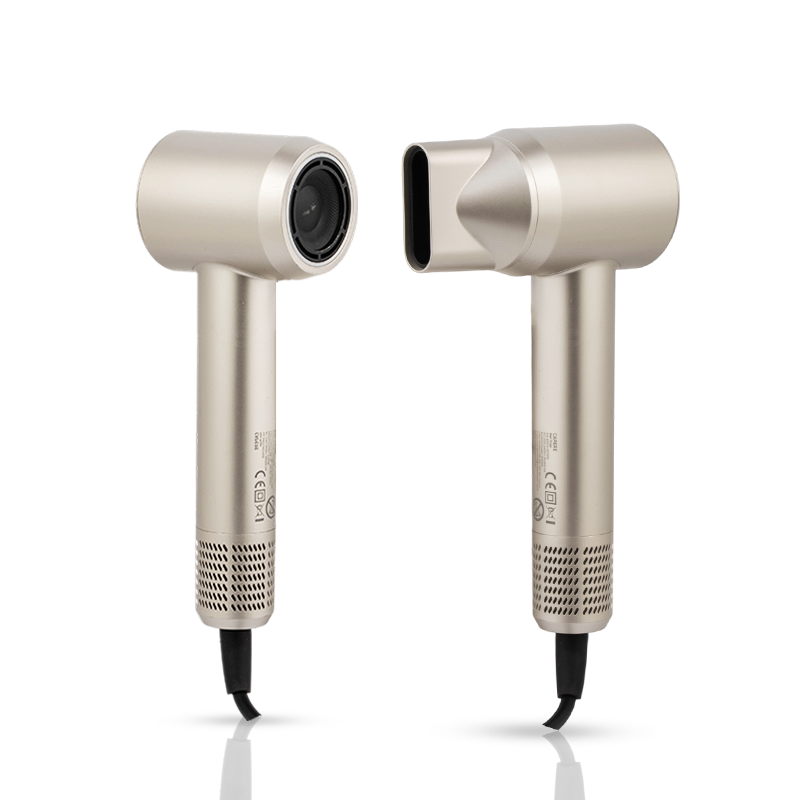
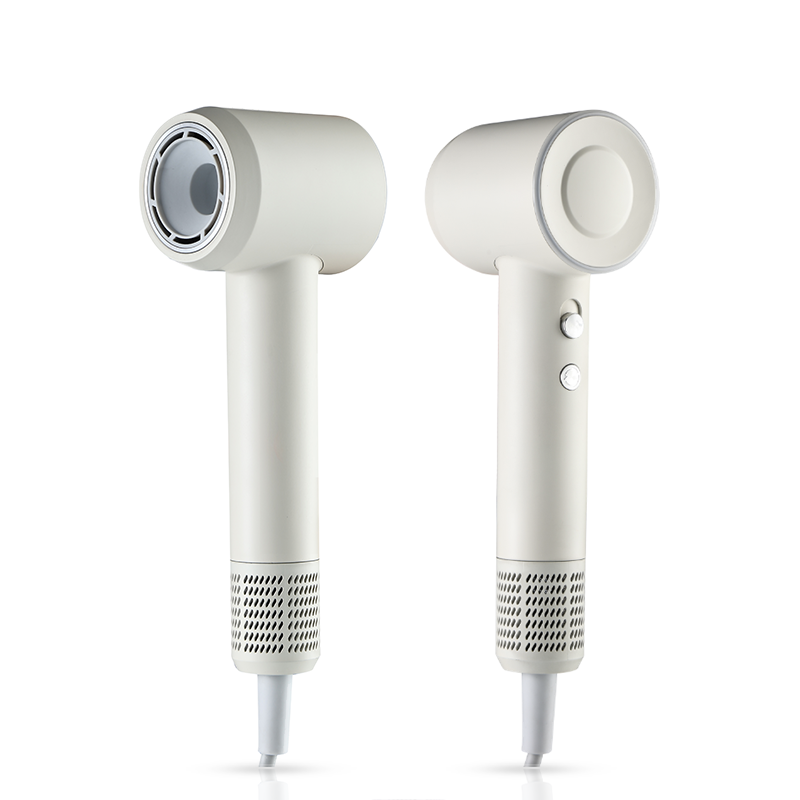
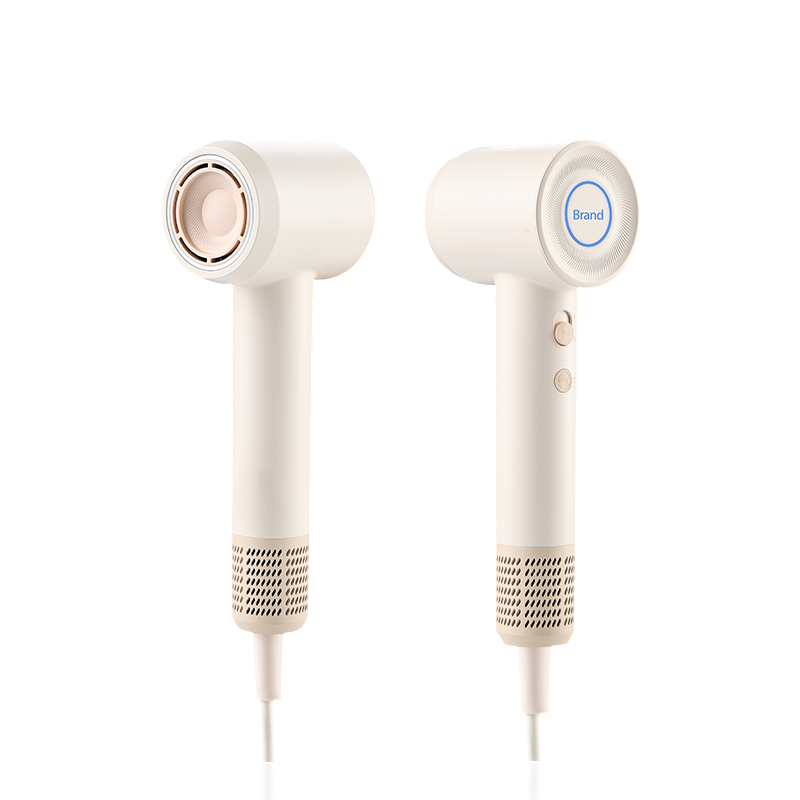
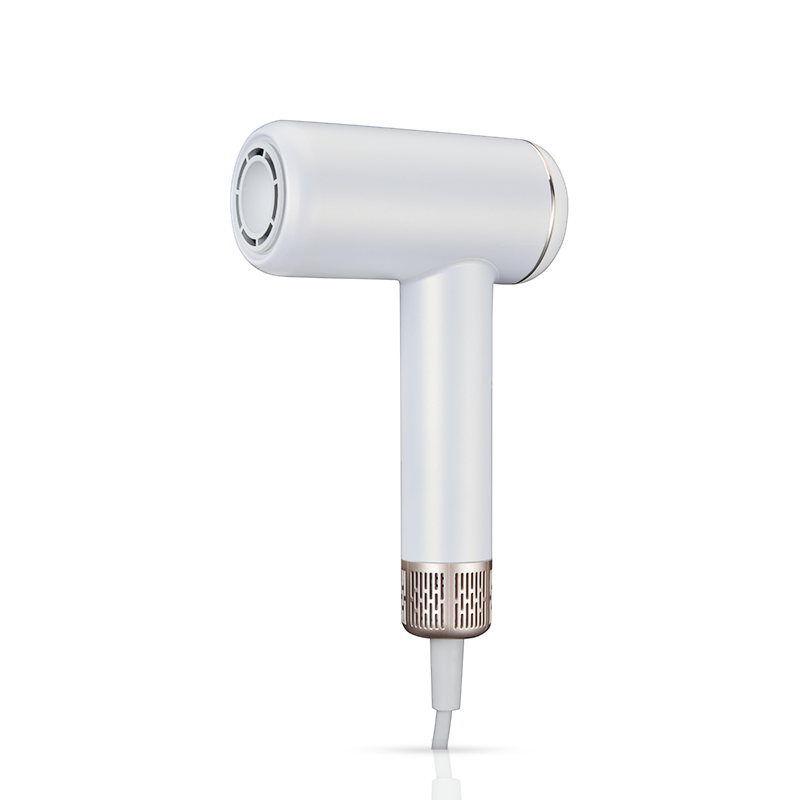
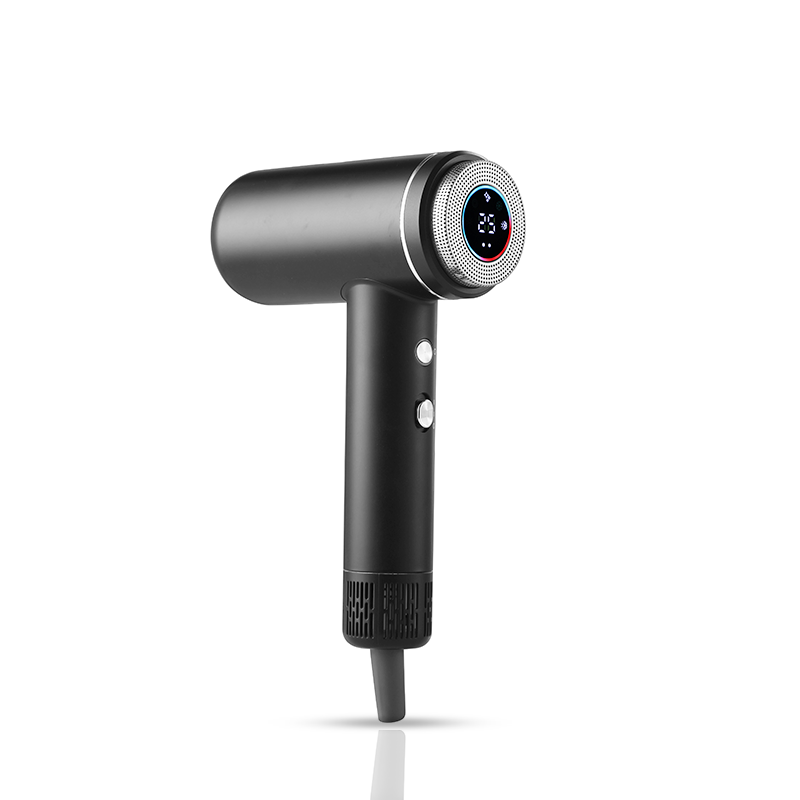
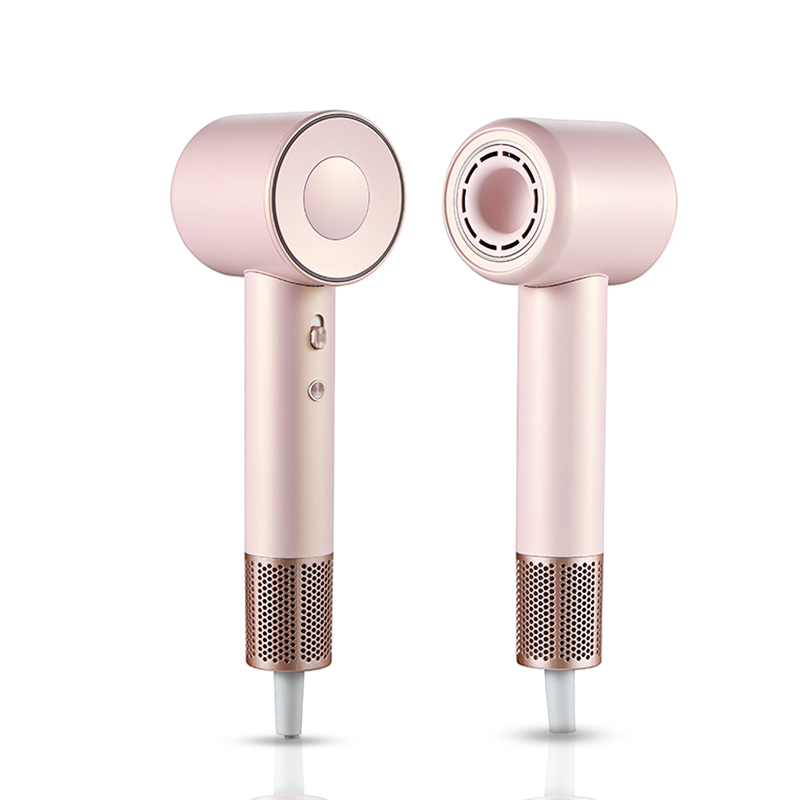
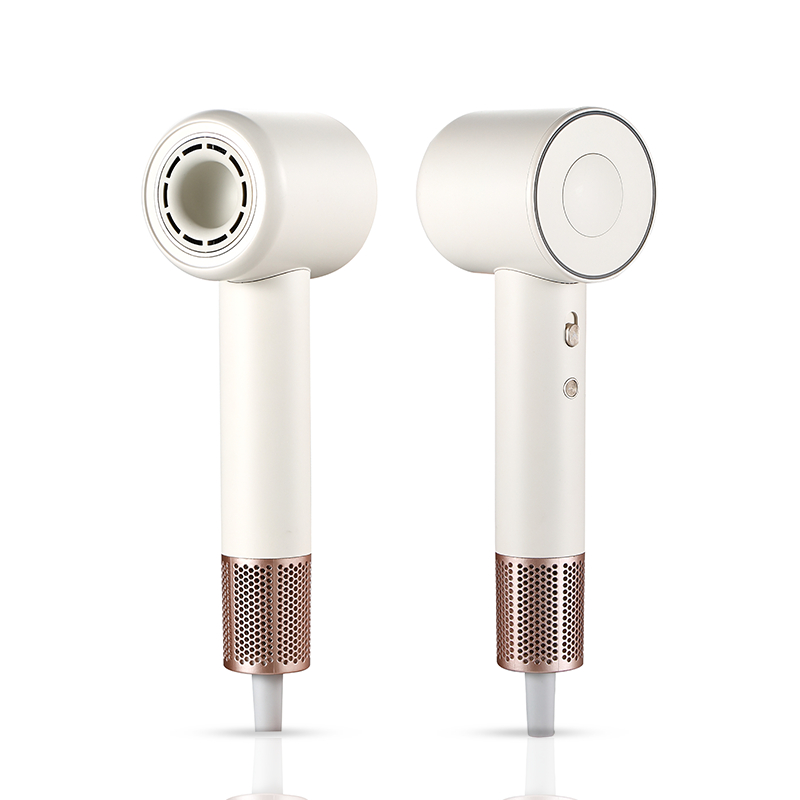
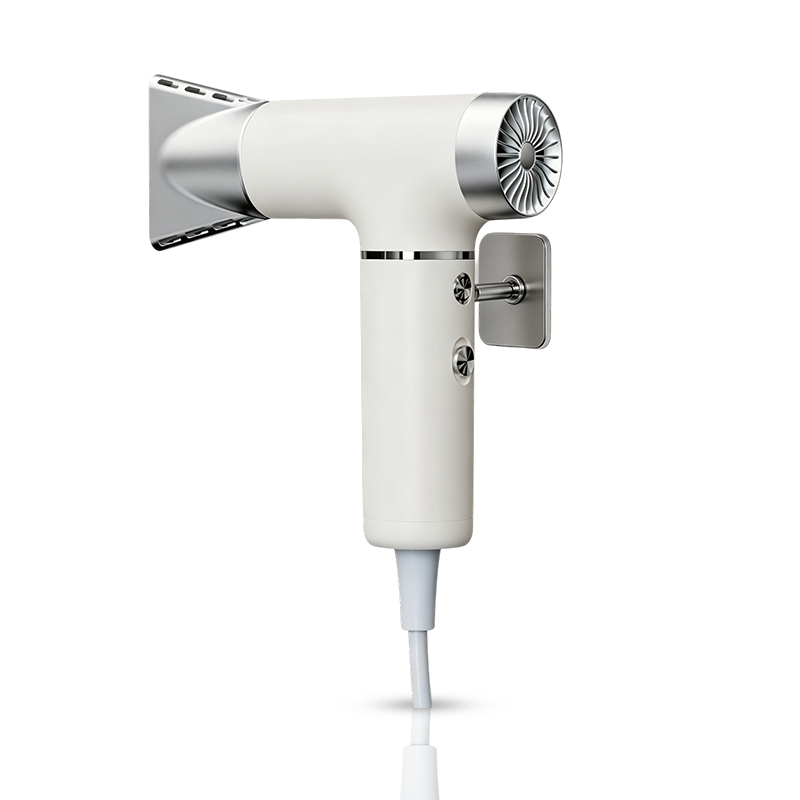
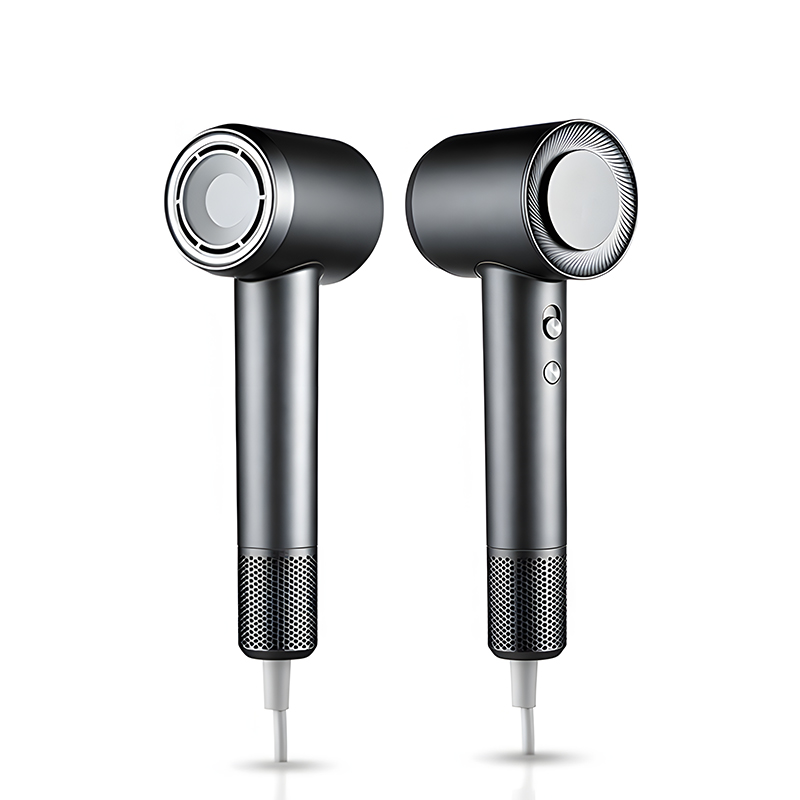
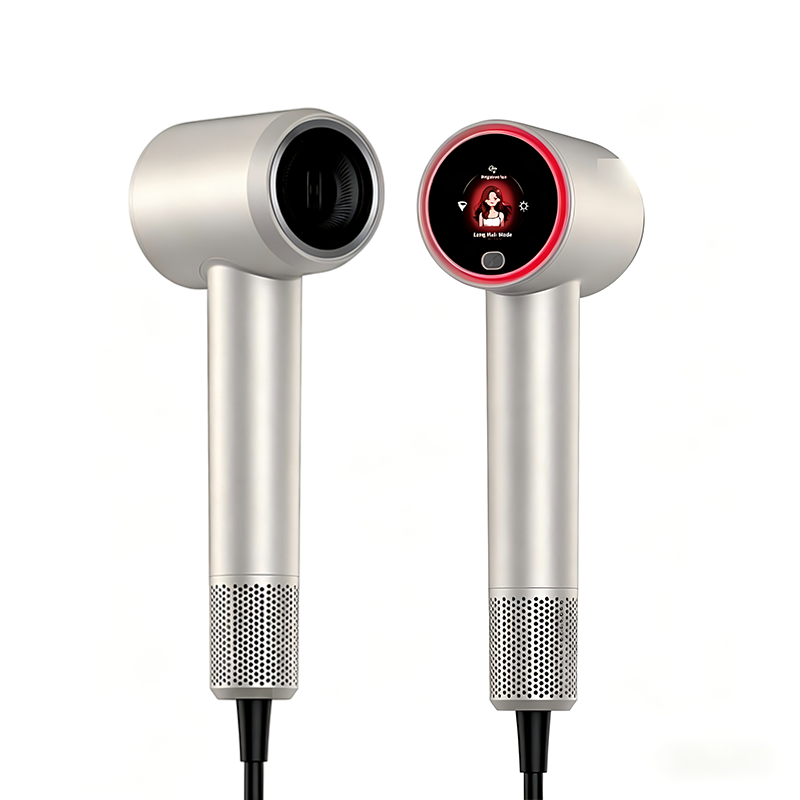
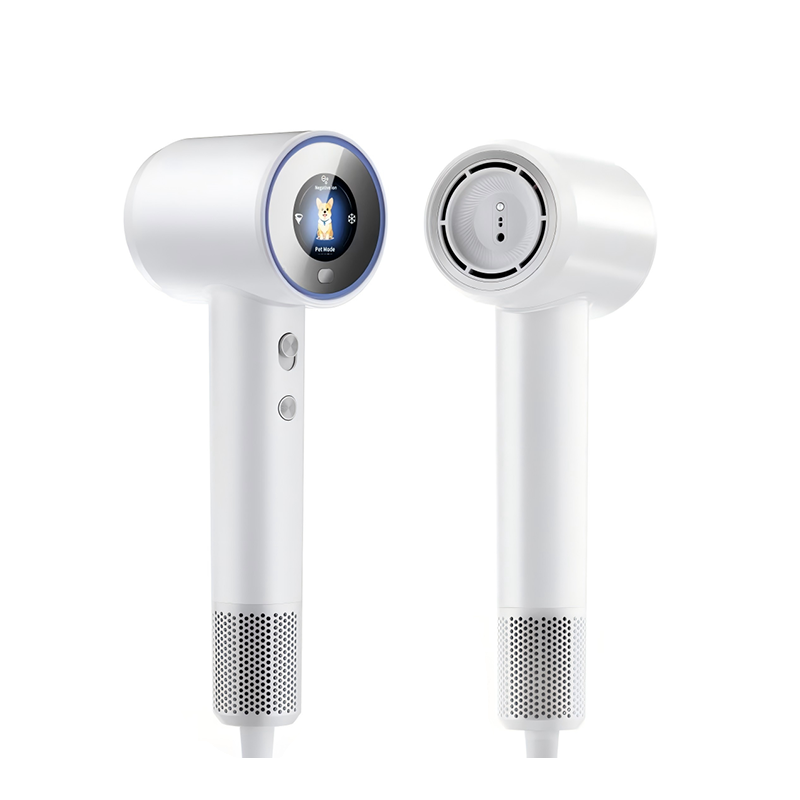
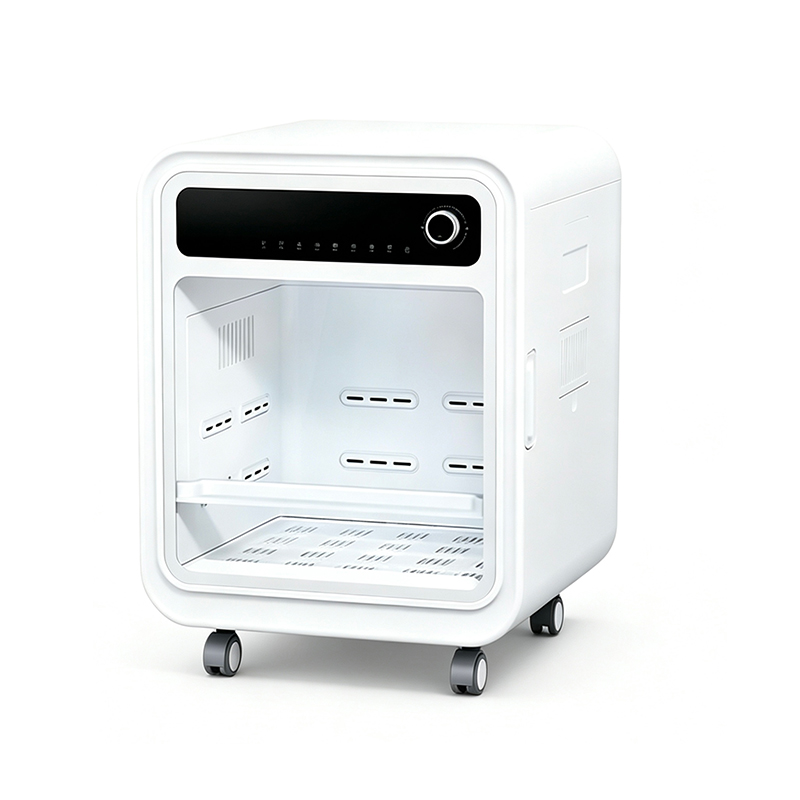

The Evolution of Hair Care: From Basic Tools to Advanced Technology
The landscape of personal grooming has undergone a dramatic transformation over the past decade. Traditional styling routines relied heavily on high-temperature exposure that often compromised the structural integrity of the hair cuticle, leading to dryness, split ends, and long-term thermal damage. Today, the integration of advanced engineering and consumer electronics has shifted the paradigm toward protective styling. Modern hair care engineering prioritizes cuticle preservation, energy-efficient thermal distribution, and ergonomic safety, ensuring that users can achieve salon-quality results without sacrificing hair health.
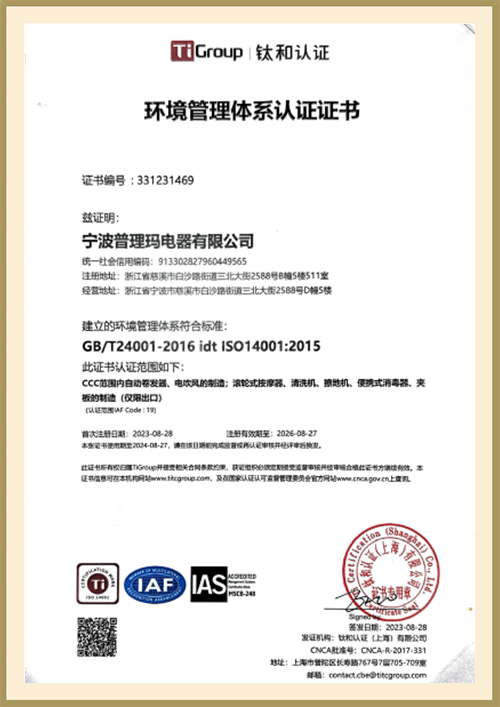
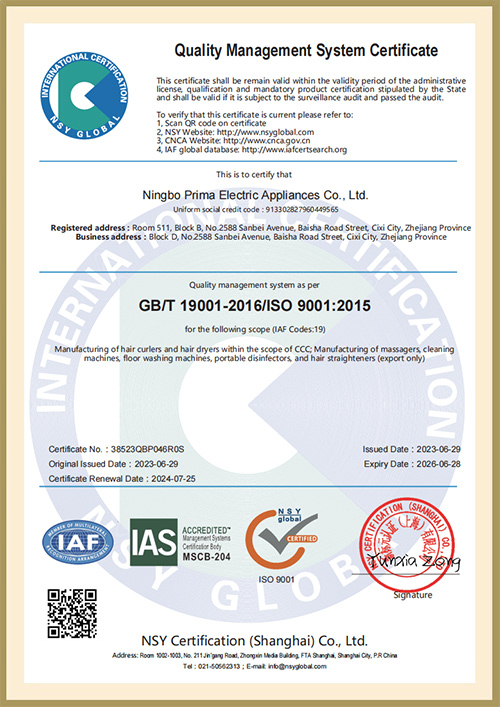
At Ningbo Prima Electric Appliances Co., Ltd, established in 2007 and located in Cixi City, Zhejiang province, our journey as an OEM and ODM specialist in personal care and household cleaning products has been defined by this technological evolution. With robust certifications including CE, GS, ETL, UL, CB, BSCI, and ISO9001, we understand that designing high-performance styling tools requires a rigorous approach to engineering. Our comprehensive product laboratory and experienced R&D team enable us to bridge the gap between heavy-duty commercial demands and everyday home use.
The Evolution of Engineering in Personal Care Devices
To appreciate why modern tools outperform legacy heating devices, it is essential to examine the technical shifts in hardware design, thermal regulation, and user safety. Below is a detailed parameter comparison reflecting how engineering standards have evolved across generations of styling appliances:
| Technical Parameter | Legacy Styling Devices | Modern Consumer & Salon Appliances |
| Temperature Control | Fixed high heat or rudimentary dual-stage switches (High/Low) | Microprocessor-controlled digital sensors with real-time adjustments (120C - 230C) |
| Heating Elements | Basic resistive wire coils with uneven hot spots | Advanced MCH (Metal Ceramic Heater) or Tourmaline-infused ceramic plates |
| Ion Generation | None or passive mineral emission | Integrated high-output negative ion generators (up to 50 million ions/cm3) |
| Motor Specifications | Standard DC motors with limited lifespan and variable airflow | High-velocity brushless DC (BLDC) motors or commercial AC motors (>110,000 RPM) |
| Safety Mechanisms | Basic thermal fuse prone to permanent burnout | Automatic shut-off, NTC thermistor overheat protection, and flame-retardant housing |
Why Technological Integration Matters for Daily Hair Health
When consumers select grooming tools, thermal stability and consistent airflow distribution are paramount. Unregulated heat causes moisture trapped inside the hair cortex to boil instantly, forming microscopic bubbles that rupture the hair shaft—a phenomenon commonly known as "bubble hair."
Modern engineering mitigates this risk by introducing intelligent temperature monitoring. By sampling thermal output over 50 times per second, contemporary circuits prevent temperature spikes and maintain an optimal heat threshold. Furthermore, integrating specialized emission modules ensures that hair cuticles are sealed smoothly during the styling process.
As a trusted manufacturing partner serving global markets across America, Japan, Europe, and Russia, as well as collaborating with domestic leaders such as Midea and Bear, Ningbo Prima Electric Appliances Co., Ltd incorporates these advanced technological frameworks into every production line. Our commitment to rigorous quality control guarantees that each device delivers stable performance, protecting hair integrity while meeting international safety standards.
The Core Mechanics of Negative Ion Hair Appliances
The development of modern hair care appliances has shifted from simple thermal generation to precise molecular interaction. Among these innovations, negative ion technology stands out as a fundamental breakthrough in protecting hair integrity during styling. Understanding how these mechanisms operate provides clear insight into why advanced grooming tools yield superior results.
The Physics of Negative Ion Generation
When wet hair is exposed to conventional heat, water molecules on the surface evaporate rapidly while moisture trapped inside the hair shaft can boil, causing structural damage. High-performance Negative Ion Hair Appliances incorporate specialized electrical or tourmaline-infused emission modules that generate millions of negatively charged ions per cubic centimeter.
These negative ions interact directly with the positive ions present in water droplets. Because water molecules carry a positive charge, the negatively charged stream breaks large water clusters down into microscopic nanoparticles. This allows moisture to infuse smoothly into the hair cortex rather than boiling away on the surface, drastically shortening drying times while locking in hydration.
Comparative Analysis: Ionic Technology versus Traditional Heating Elements
To evaluate the mechanical advantages of modern ionic systems, the following parameter comparison outlines how traditional heating elements differ from advanced ionic-integrated configurations:
| Performance Metric | Traditional Heating Elements (Ceramic/Metal Coils) | Advanced Negative Ion Hair Appliances |
| Moisture Retention | Low; rapid surface evaporation strips natural hydration | High; breaks down water droplets for deep cuticle absorption |
| Frizz & Static Control | Minimal; friction and positive static buildup remain unaddressed | Superior; neutralizes positive static charges on the hair shaft |
| Cuticle Interaction | Leaves cuticles raised due to rough thermal friction | Smooths and flattens hair cuticles for enhanced light reflection and shine |
| Thermal Efficiency | Uneven heat spots leading to localized scorching | Uniform thermal distribution paired with balanced ionic airflow |
Engineering Precision at Ningbo Prima Electric Appliances Co., Ltd
Developing efficient ion-emission systems requires stringent control over internal circuitry, thermal output, and airflow dynamics. At Ningbo Prima Electric Appliances Co., Ltd, our R&D team and fully equipped product laboratory focus on optimizing these exact parameters. By integrating high-output negative ion emitters into our personal care manufacturing lines, we ensure that every device delivers stable, reliable ionization.
Operating from Cixi City, Zhejiang province since 2007, our manufacturing protocols are backed by international certifications including CE, GS, ETL, UL, CB, BSCI, and ISO9001. Whether supplying global markets across America, Japan, Europe, and Russia or partnering with leading domestic brands, we maintain rigorous quality standards to deliver professional-grade results directly to consumers.
Essential Categories of Hair Styling Gadgets
The modern consumer market demands versatility, precision, and efficiency in personal grooming devices. Selecting the right Hair Styling Gadgets depends heavily on understanding the distinct mechanical categories available today. Each category is engineered to address specific styling goals, ranging from daily smoothing and volumizing to complex curl definition.
Multifunctional Air Stylers and Interchangeable Brush Attachments
Multi-styling systems have revolutionized home grooming by consolidating multiple tools into a single device. These gadgets typically utilize a high-velocity digital motor combined with the Coanda effect—an aerodynamic phenomenon that uses air to wrap hair automatically around a barrel.
Key Design Features: Interchangeable attachments including smoothing brushes, round volumizing brushes, and multi-directional curling barrels.
Performance Advantage: Minimizes thermal reliance by substituting excessive heat with high-speed, directed airflow.
Advanced Flat Irons and Precision Curling Wands
Flat irons and curling wands remain staple tools for creating sleek, straight styles or defined ringlets. Modern variants move far beyond basic heating plates by incorporating intelligent thermal sensors.
Plate & Barrel Materials: Premium floating ceramic, tourmaline-infused titanium, or MCH (Metal Ceramic Heater) plates that distribute heat evenly without pinching or snagging the hair shaft.
Thermal Regulation: Precision microprocessors monitor temperature fluctuations up to 50 times per second, preventing localized overheating and thermal hot spots.
Compact, Travel-Friendly Design Innovations
Portability is a major driver in contemporary hardware design. Travelers and professionals on the go require lightweight form factors that do not compromise on operational power.
Engineering Considerations: Foldable handles, dual-voltage compatibility (100V-240V), and lightweight yet durable engineering plastics that reduce wrist fatigue.
Comparative Analysis of Styling Gadget Categories
| Gadget Category | Primary Mechanical Mechanism | Best Suited For | Key Engineering Focus |
| Multifunctional Air Stylers | High-velocity airflow & Coanda aerodynamic effect | Drying, volumizing, and effortless curling without extreme heat | Motor airflow dynamics and attachment locking security |
| Advanced Flat Irons | Conductive thermal plates with micro-sensor regulation | Straightening, smoothing, and sleek styling | Plate surface flatness, even heat spread, and fast thermal recovery |
| Precision Curling Wands | Shaped thermal barrels with adjustable temperature ranges | Creating tight curls, loose waves, and textured body | Barrel coating durability and ergonomic grip stability |
Manufacturing Excellence at Ningbo Prima Electric Appliances Co., Ltd
Bringing these sophisticated personal care tools from concept to mass production requires rigorous engineering and comprehensive quality control. At Ningbo Prima Electric Appliances Co., Ltd, established in 2007 in Cixi City, Zhejiang province, our R&D team specializes in turning advanced consumer insights into reliable, market-ready hardware.
Equipped with a fully operational product laboratory and international credentials including CE, GS, ETL, UL, CB, BSCI, and ISO9001, we ensure that every gadget meets strict safety and performance criteria. Whether collaborating with domestic partners or supplying clients across America, Japan, Europe, and Russia, our manufacturing infrastructure is built to deliver precision-engineered styling solutions.
Transitioning Salon Hair Styling Equipment into Home Environments
The boundary between professional salon tools and consumer grooming devices has grown increasingly blurred. As users seek more durable, high-performance alternatives to traditional retail items, Salon Hair Styling Equipment has become a benchmark for home-use hardware engineering. Integrating commercial-grade performance into consumer appliances requires significant adjustments in motor mechanics, thermal output, and structural durability.
Key Differences Between Consumer Tools and Commercial-Grade Salon Equipment
Understanding why professional devices perform differently involves analyzing internal electrical components and structural build quality. Commercial hardware is built to withstand continuous, heavy-duty operation throughout a standard workday, whereas standard retail tools are engineered for intermittent household use.
Motor Longevity and Duty Cycle: Salon blow dryers and multi-stylers typically utilize heavy-duty AC motors or high-velocity brushless DC motors rated for thousands of hours of continuous operation. Consumer units often use lighter DC motors optimized for shorter, intermittent sessions.
Thermal Output and Airflow Velocity: Professional devices generate significantly higher volumetric airflow, allowing them to dry and style hair quickly using mechanical wind force rather than extreme thermal heat.
Chassis and Material Integrity: Commercial equipment uses impact-resistant, high-temperature engineering plastics and reinforced internal wiring to endure frequent drops, cable twisting, and continuous thermal stress.
Comparative Analysis: Consumer Tools versus Salon Hair Styling Equipment
| Engineering Parameter | Standard Consumer Hair Tools | Commercial-Grade Salon Equipment |
| Motor Type & Lifespan | Standard DC Motor (~500 to 1,000 operating hours) | Heavy-Duty AC Motor or High-RPM BLDC Motor (>2,000 operating hours) |
| Continuous Duty Cycle | Optimized for 10-15 minutes of continuous use | Built for continuous, back-to-back salon usage without thermal shutdown |
| Airflow Speed & Volume | Moderate airflow; relies heavily on high heat for drying | High-velocity laminar airflow for rapid moisture evaporation |
| Cord Construction | Standard flexible PVC power cord with basic strain relief | Heavy-gauge, 360-degree swivel commercial power cord (often 2.5m to 3m long) |
| Housing Durability | Standard thermoplastic housing | High-impact, heat-resistant composite materials with drop-proof reinforcement |
Engineering Commercial-Grade Reliability at Ningbo Prima Electric Appliances Co., Ltd
Bridging the gap between professional salon standards and everyday household accessibility requires advanced manufacturing capabilities and strict testing protocols. At Ningbo Prima Electric Appliances Co., Ltd, our engineering teams focus on translating the robust performance characteristics of commercial equipment into reliable, user-friendly personal care devices.
Operating from Cixi City, Zhejiang province since 2007, our factory maintains a comprehensive product laboratory dedicated to rigorous stress-testing, thermal endurance evaluation, and motor life assessments. Backed by international certifications including CE, GS, ETL, UL, CB, BSCI, and ISO9001, we provide high-performance OEM and ODM solutions. Whether supporting prominent domestic partners or exporting to major international markets across America, Japan, Europe, and Russia, we ensure that every appliance meets the demanding performance expectations of both professional stylists and home users.
Selecting the Right Styling Tool for Different Hair Textures
Achieving optimal styling results while preserving hair health requires matching device specifications and thermal settings to specific hair types. Different hair structures absorb heat and moisture at varying rates, meaning that a one-size-fits-all approach to personal grooming often leads to thermal damage or ineffective styling.
Tailoring Temperature and Airflow to Hair Characteristics
Fine and Thin Hair: This hair texture features a delicate cuticle layer that is highly vulnerable to thermal shock. It requires lower temperature thresholds (ranging from 120C to 150C) paired with gentle, controlled airflow to prevent breakage and surface scorching.
Normal and Medium Hair: Balanced textures can handle moderate thermal ranges (150C to 180C). These hair types benefit greatly from Negative Ion Hair Appliances that seal the cuticle smoothly while managing natural static.
Thick, Coarse, or Curly Hair: Dense or tightly coiled hair structures require higher thermal conductivity and strong mechanical tension to reshape hydrogen bonds effectively. Temperature settings between 180C and 230C, combined with high-velocity airflow or professional-grade heating elements, ensure smooth results without repetitive passes.
Chemically Treated or Damaged Hair: Compromised hair cuticles demand specialized protection. Utilizing lower heat settings combined with smart micro-sensor thermal regulation prevents moisture from boiling inside the cortex.
Comparative Analysis of Hair Textures and Tool Settings
| Hair Texture Category | Recommended Temperature Range | Optimal Airflow / Technology Setting | Primary Care Focus |
| Fine / Fragile Hair | 120C - 150C | Low velocity, high negative ion emission | Preventing thermal fracture and cuticle stripping |
| Normal / Medium Hair | 150C - 180C | Medium velocity, balanced ionic airflow | Maintaining natural moisture balance and shine |
| Thick / Coarse / Curly Hair | 180C - 230C | High-velocity laminar airflow or fast-recovery heating plates | Reshaping structure efficiently with minimal passes |
| Chemically Treated / Damaged Hair | Below 150C | Low heat with real-time microprocessor thermal monitoring | Preserving internal cortex protein and preventing split ends |
Precision Manufacturing for Diverse Hair Needs at Ningbo Prima Electric Appliances Co., Ltd
Designing personal care tools capable of safely managing diverse hair textures demands strict engineering standards and precise temperature control mechanisms. At Ningbo Prima Electric Appliances Co., Ltd, our R&D team integrates advanced digital thermostat controls and multi-stage airflow adjustments into our product lines to accommodate every hair profile.
Established in 2007 and located in Cixi City, Zhejiang province, our factory features an advanced product laboratory where rigorous testing is conducted on thermal stability and airflow consistency. Backed by international safety certifications including CE, GS, ETL, UL, CB, BSCI, and ISO9001, we deliver reliable OEM and ODM solutions. Whether supplying global markets across America, Japan, Europe, and Russia or collaborating with domestic leaders such as Midea and Bear, we are committed to engineering versatile, high-performance grooming tools that protect hair health across all demographics.
Maintenance, Safety, and Best Practices for Longevity
Ensuring the longevity, safety, and consistent performance of modern hair care appliances requires regular maintenance and adherence to proper operational habits. Because Hair Styling Gadgets and high-performance Salon Hair Styling Equipment rely on precision internal components—such as micro-processors, heating elements, and high-velocity motors—routine upkeep is essential to prevent premature wear and maintain optimal thermal output.
Essential Maintenance and Cleaning Protocols
Over time, styling products, natural oils, and airborne dust accumulate on heating plates, air intake grills, and internal filters. Neglecting these residues can lead to restricted airflow, uneven heat distribution, and potential thermal overload.
Air Filter Maintenance: For high-velocity dryers and air stylers, removable magnetic or twist-off rear filters should be cleaned weekly using a soft brush or a dry cloth to prevent motor strain caused by blocked intake channels.
Plate and Barrel Sanitization: Ceramic and tourmaline plates on flat irons should be wiped down with a soft, damp microfiber cloth while the device is unplugged and completely cool to remove hairspray buildup and styling residue.
Cord Care: Power cords should never be tightly wrapped around the appliance body during storage, as constant sharp bending stresses internal copper wiring and degrades strain relief points.
Comparative Analysis: Proper Maintenance versus Neglected Upkeep
| Maintenance Parameter | Properly Maintained Appliance | Neglected or Unserviced Appliance |
| Motor & Airflow Efficiency | Unrestricted laminar airflow; stable motor RPM and cooling | Reduced airflow; motor overheating and premature burnout |
| Thermal Distribution | Even heat transfer across clean plates and barrels | Hot spots caused by baked-on residue leading to hair scorching |
| Operational Safety | Functional NTC sensors and active auto-shutoff mechanisms | Risk of thermal fuse failure or internal short circuits |
| Device Lifespan | Maximized operational lifecycle (several years of daily use) | Significantly shortened lifespan requiring premature replacement |
Safe Thermal Habits and Best Practices
To maximize the benefits of Negative Ion Hair Appliances, users should incorporate safe thermal habits into their daily routines:
1. Always Apply Heat Protectants: Using a lightweight thermal spray creates a microscopic barrier that locks in moisture and guards the hair cuticle against direct thermal stress.
2. Select Appropriate Temperature Thresholds: Avoid defaulting to maximum heat settings when lower temperatures can effectively achieve the desired style.
3. Utilize Cool Shot Features: Finishing a styling session with a blast of cool air sets the hair cuticle in place, locking in shine and style longevity.
Quality Assurance and Safety Standards at Ningbo Prima Electric Appliances Co., Ltd
At Ningbo Prima Electric Appliances Co., Ltd, engineering safety and product durability are built into every stage of development. Operating from Cixi City, Zhejiang province since 2007, our manufacturing protocols incorporate rigorous stress tests, thermal endurance evaluations, and life-cycle assessments within our complete product laboratory.
Backed by major international safety approvals including CE, GS, ETL, UL, CB, BSCI, and ISO9001, we ensure that every device leaving our facility meets strict global safety and reliability benchmarks. Whether supplying international markets across America, Japan, Europe, and Russia or partnering with leading domestic brands, we remain committed to delivering durable, safe, and professional-grade personal care solutions.
Frequently Asked Questions (FAQ)
Q1: How do negative ion hair appliances actually prevent heat damage?
Explanation: Negative ion hair appliances generate millions of negatively charged ions that break large water droplets on wet hair down into microscopic nanoparticles. This allows moisture to penetrate deep into the hair cuticle rather than boiling away violently on the surface, drastically reducing thermal stress and split ends.
Q2: What makes salon hair styling equipment different from standard home tools?
Explanation: Salon hair styling equipment features heavy-duty commercial AC motors or high-RPM brushless DC motors designed for continuous, back-to-back daily usage. They also utilize reinforced wiring, high-impact composite housings, and advanced thermal regulation to withstand intense professional environments.
Q3: Can daily use of hair styling gadgets ruin my hair?
Explanation: When used with proper heat protectants, appropriate temperature settings, and modern ionic technology, hair styling gadgets can be used regularly without causing cumulative structural damage to the hair cortex.
Q4: How often should the air filters and heating plates of styling tools be cleaned?
Explanation: Air intake filters on high-velocity dryers should be cleared of dust and lint weekly, while flat iron plates and curling barrels should be wiped down with a soft, damp cloth after every few uses once the device has completely cooled down.
