Industry News
Home / News / Industry News / Is a Ceramic Air Styler Better for Curling and Hair Care

Is a Ceramic Air Styler Better for Curling and Hair Care


Hair Styling Knowledge Center

How Does a Ceramic Air Styler Curl Hair Without Excessive Heat?

A Air Styler combines controlled airflow, balanced heat and specialized styling attachments to dry, smooth, lift or curl hair in one coordinated process. Compared with tools that rely mainly on direct contact heat, a ceramic air styler distributes warm air around the hair surface, helping users create defined shapes while reducing unnecessary exposure to concentrated temperatures.

Key Styling Factors
Hair Moisture Slightly damp hair usually responds more evenly to airflow styling.
Air Direction Consistent airflow helps guide each section around the styling barrel.
Heat Control Matching the temperature to the hair type helps limit dryness and frizz.
Cooling Time Cooling the curl before release can improve shape retention.
01

Airflow-Based Styling

The tool moves heated air through a shaped attachment, allowing the hair to dry while being directed into a curl, wave or smooth finish.

02

Ceramic Heat Distribution

Ceramic components help spread heat more evenly across the styling surface, reducing abrupt hot spots that may cause uneven results.

03

Attachment Flexibility

Interchangeable barrels, smoothing brushes and volumizing heads allow one device to support several everyday styling requirements.

What Makes a Ceramic Air Styler Different?

A ceramic air styler draws room air into the main body, moves it through an internal heating system and directs it through a selected attachment. The resulting airflow is used to organize the hair fibers while moisture gradually evaporates.

Ceramic materials are commonly integrated into heated surfaces or airflow channels because they can support more stable temperature distribution. Even heat is important because hair sections often vary in thickness, moisture level and resistance to shaping. When the outer surface of a section becomes dry too quickly while the inner fibers remain damp, the finished curl may loosen shortly after styling.

The effectiveness of an air styler does not depend on maximum temperature alone. Hair section size, airflow speed, attachment diameter, styling direction and cool-shot timing all influence the final result. Proper coordination of these factors can produce a smoother surface and a more consistent curl pattern.
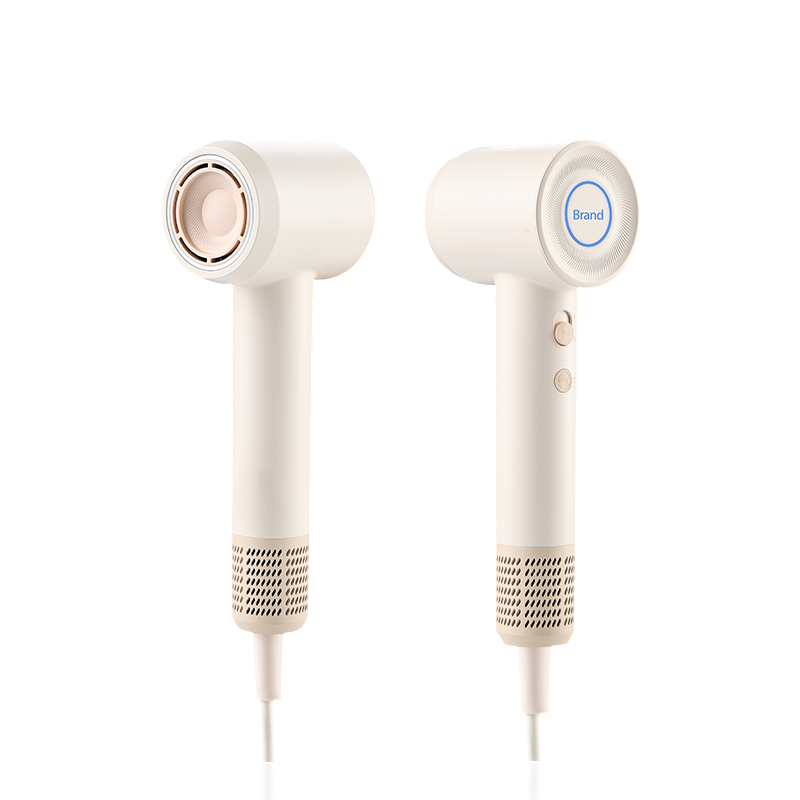
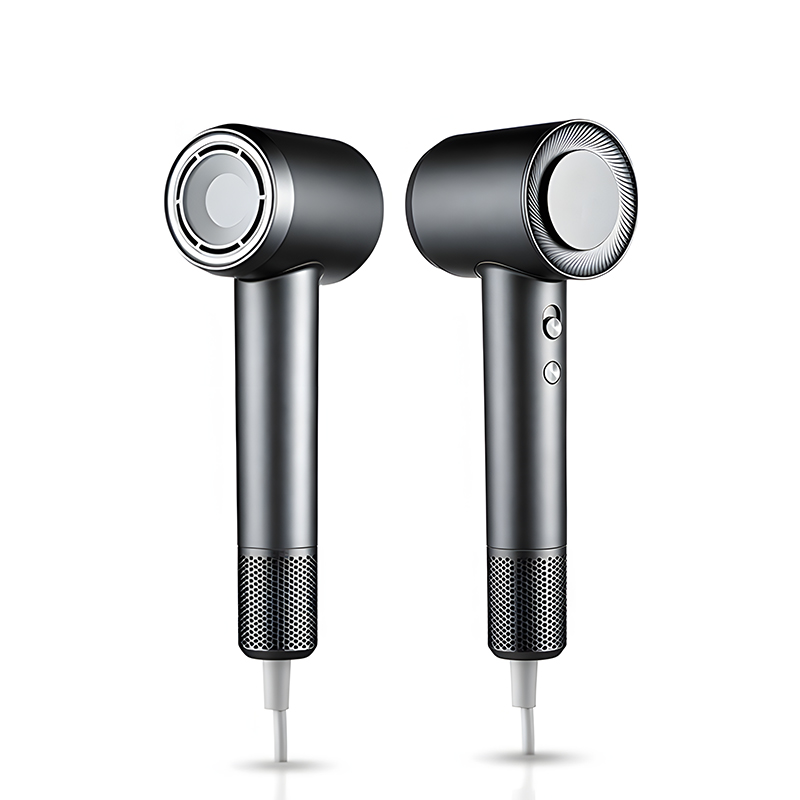
How to Curl Hair with Hot Air Styler

The following method is suitable for users searching for how to curl hair with hot air styler while maintaining control over heat, airflow and curl direction.

Step 1

Remove Excess Water

After washing, press the hair gently with a towel. Avoid aggressive rubbing because friction can increase tangling and surface roughness.

Step 2

Dry to a Damp Condition

Hair that is approximately seventy to eighty percent dry is usually easier to shape. Hair that is too wet may require prolonged heat exposure.

Step 3

Divide the Hair Evenly

Separate the hair into upper, middle and lower areas. Smaller sections allow warm air to pass through the strands more consistently.

Step 4

Select the Barrel Size

A smaller barrel creates a tighter curl, while a larger barrel produces softer waves, broader curves and more visible volume.

Step 5

Guide the Hair Around the Barrel

Position the ends first, then allow the section to wrap smoothly. Keep the strands aligned instead of twisting them into a compact bundle.

Step 6

Heat and Cool the Section

Apply warm airflow for several seconds, then use cool air while the hair remains wrapped. Release the curl only after the section begins to cool.

How to Curl Hair with Air Styler for a Natural Finish

Users asking how to curl hair with air styler often focus on temperature but overlook the direction of each section. Curling the front sections away from the face can create a more open appearance. Alternating the direction of the rear sections can prevent all curls from joining into one heavy shape.

The section should remain under light, controlled tension. Too little tension can make it difficult for the strands to follow the barrel. Excessive tension may pull the curl downward and place unnecessary stress on the hair.

Short Hair

Use smaller sections and avoid wrapping too close to the scalp. A moderate barrel size can create lift without making the shape overly tight.

Medium-Length Hair

Alternate curl directions through the middle and rear areas to create movement and prevent the style from appearing uniform.

Long Hair

Work from the lower layers upward. Reduce section thickness so that airflow reaches both the outer and inner strands.

Are Air Stylers Better for Your Hair?

The answer to are air stylers better for your hair depends on the device design, temperature setting, hair condition and styling routine. Air stylers generally shape hair with heated airflow rather than holding the strands firmly between high-temperature plates. This may reduce concentrated contact heat during normal use.

An air styler is still a heated styling device. Using the highest setting repeatedly, holding warm air on one area for too long or restyling the same section several times may remove too much moisture from the hair. Ceramic heat distribution can support more even styling, but it cannot compensate for unsuitable operating habits.

More Suitable Use

Moderate temperatures, controlled sections and cooling before release.

Less Suitable Use

Maximum heat, repeated passes and styling severely damaged hair without preparation.

Important Adjustment

Fine, bleached or dry hair generally requires lower heat and shorter styling time.

Features That Improve Everyday Air Styling

A well-designed ceramic air styler should provide practical control rather than relying on a single high-power setting. The following features can improve usability across different hair lengths and textures.

Multiple Heat Settings

Separate temperature levels help users match the heat output to fine, normal, coarse or processed hair.

Adjustable Airflow

Lower airflow can support controlled curling, while stronger airflow can accelerate initial drying for thicker hair.

Cool-Shot Function

A dedicated cool setting helps reduce the surface temperature of the section before the curl is released.

Interchangeable Attachments

Curling barrels, smoothing brushes and volumizing heads extend the styling range of one compact device.

Secure Attachment Lock

A stable locking structure helps prevent movement between the attachment and the main body during use.

Removable Air Filter

Accessible filter construction supports regular cleaning and helps maintain consistent airflow performance.

Can You Use an Air Styler on Dry Hair?

The answer to can you use an air styler on dry hair is yes, but dry-hair styling requires different heat and airflow choices. An air styler can be used to refresh flattened roots, correct the direction of the ends, smooth light frizz or restore several loose curls.

Completely dry hair may not reshape as easily as slightly damp hair because controlled moisture contributes to the temporary reorganization of the hair structure during styling. For a full curl reset, lightly misting the section with water can improve flexibility.

Avoid soaking the hair before a quick dry-hair adjustment. Only a small amount of moisture is needed. The temperature should usually remain at a low or medium-low level, especially when the hair has already been styled earlier in the day.

Dry Hair Use Is Best For

Refreshing front sections
Restoring root volume
Smoothing minor surface frizz
Turning the hair ends inward or outward
Correcting curls affected during sleep

Are Air Stylers Good for Hair?

Air stylers can be suitable for regular hair styling when the operating temperature is matched to the hair condition. They may allow drying and shaping to take place in one process, reducing the need to dry the hair completely before using another heated tool.

Users should detangle the hair before styling, avoid repeated passes and limit high-temperature use on bleached, brittle or visibly split hair.

Do Air Stylers Work on Dry Hair?

Air stylers work on dry hair for touch-ups, smoothing and local reshaping. They can also add root lift or improve the direction of the ends. A full curl pattern is usually easier to create when the hair contains a small amount of moisture.

Fine hair generally needs lower airflow so that the section remains controlled. Thick hair may benefit from a light mist of water and smaller section sizes.

Air Styler Temperature and Airflow Guide

The values below are general operating references. Actual settings should be adjusted according to hair condition, attachment structure and styling time.

Hair Type Suggested Heat Suggested Airflow Section Width Primary Consideration
Fine Hair Low to medium-low Low to medium 20–30 mm Prevent strong airflow from loosening the curl
Normal Hair Medium Medium 30–40 mm Use cool air before releasing each section
Coarse Hair Medium to medium-high Medium to high 20–30 mm Use smaller sections instead of prolonged heating
Bleached Hair Low Low About 20 mm Minimize heat exposure and repeated passes
Naturally Curly Hair Medium Medium 20–30 mm Smooth the section before forming a new curl
Thick Long Hair Medium High for drying, medium for curling 20–40 mm Work in layers so the inner strands dry evenly

Why Do Air Styler Curls Lose Their Shape?

The Hair Is Too Wet

Excess moisture remains inside the section, causing the curl to relax after it is removed from the barrel.

The Section Is Too Thick

Warm air reaches the outer strands first, while the center remains damp and insufficiently shaped.

The Curl Is Released While Hot

Pulling the section straight before cooling can weaken the newly formed curve.

The Hair Ends Are Misaligned

Uneven ends or crossed strands can produce an irregular curl and increase tangling around the barrel.

Too Much Styling Product Is Applied

Heavy oils or creams can increase the weight of the section and cause the curl to drop more quickly.

The Same Area Is Reheated Repeatedly

Repeated passes can dry the surface without improving the internal shape of the section.

How to Maintain a Ceramic Air Styler

Clean the Air Inlet

Dust, loose hair and fabric fibers can collect around the air inlet. Reduced airflow may affect drying performance and increase the operating temperature inside the device.

Remove Hair from Attachments

Curling barrels and brush heads should be checked after use. Hair wrapped around the attachment may interfere with airflow and make the surface more difficult to clean.

Protect Ceramic Surfaces

Wipe cooled attachments with a soft, dry or slightly damp cloth. Avoid sharp cleaning tools that may scratch or damage the ceramic coating.

Check the Attachment Connection

Make sure each attachment is completely dry and securely locked before operation. A loose connection may affect stability during curling or brushing.

One Air Styler for Drying, Smoothing, Curling and Volume

A multi-attachment air styler can simplify a daily hair routine by combining several functions in one coordinated system. Curling barrels can create structured waves, smoothing brushes can align the hair surface, and volumizing attachments can lift the roots while directing the ends.

For households, salons, hospitality environments and personal-care product collections, useful design details include clear temperature controls, easy attachment changes, stable airflow, balanced handling and accessible filter maintenance.

Styling Functions Drying, curling, smoothing and volumizing
Suitable Hair Conditions Damp hair and controlled dry-hair touch-ups
Useful Controls Multiple heat levels, airflow levels and cool shot
Attachment Options Curling barrels, smoothing brushes and volume heads
Maintenance Features Removable filter and cleanable attachments

Recommended News