Industry News
Home / News / Industry News / How Hot Does a Hair Dryer Get and Can You Take It on a Plane

How Hot Does a Hair Dryer Get and Can You Take It on a Plane


Personal Care Appliance Guide

How Does a Hair Dryer Work, and What Should Users Know Before Choosing One?

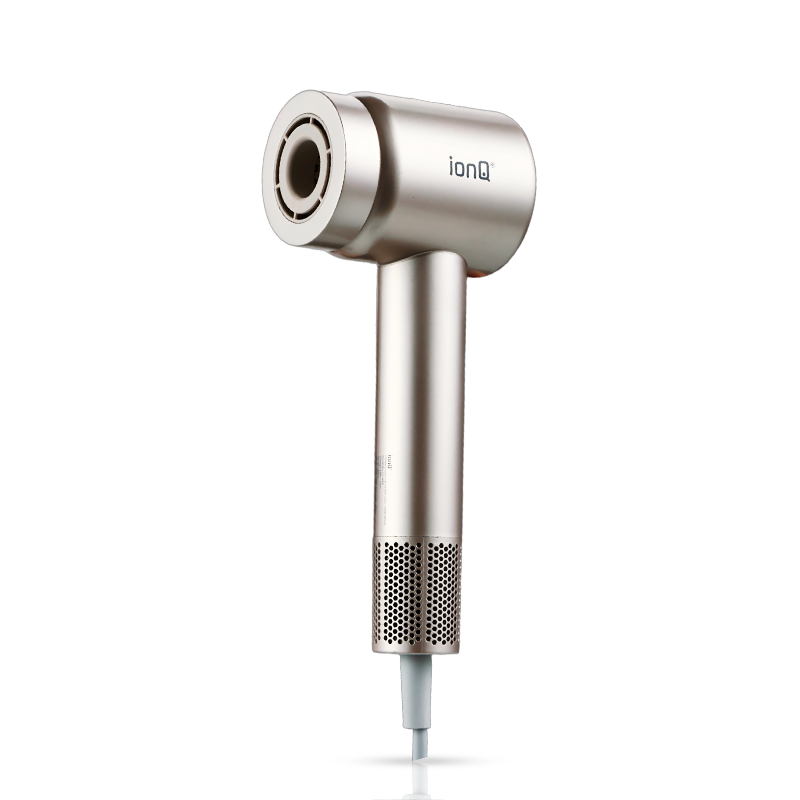
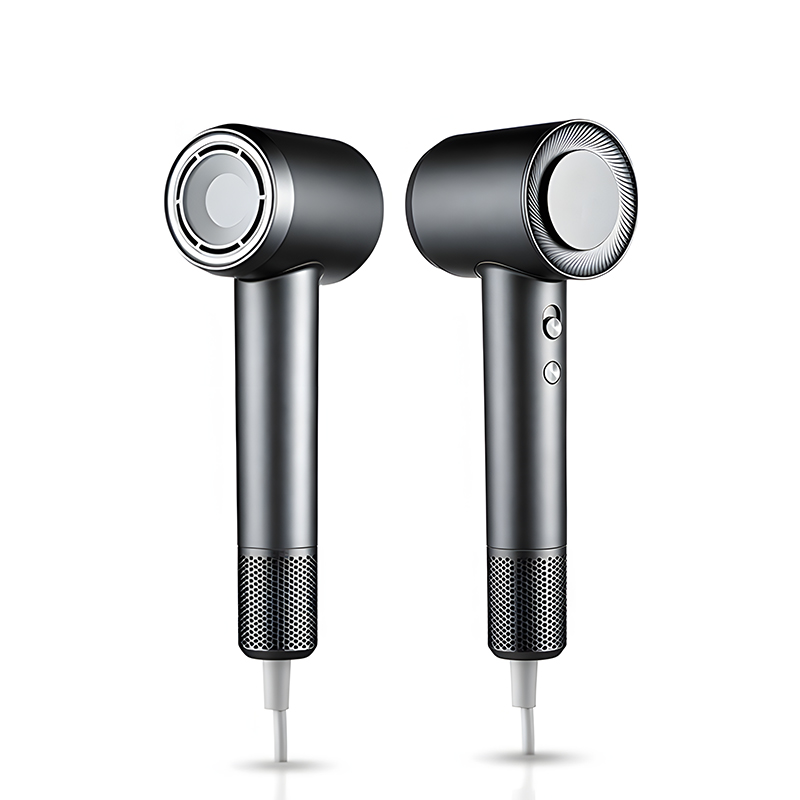
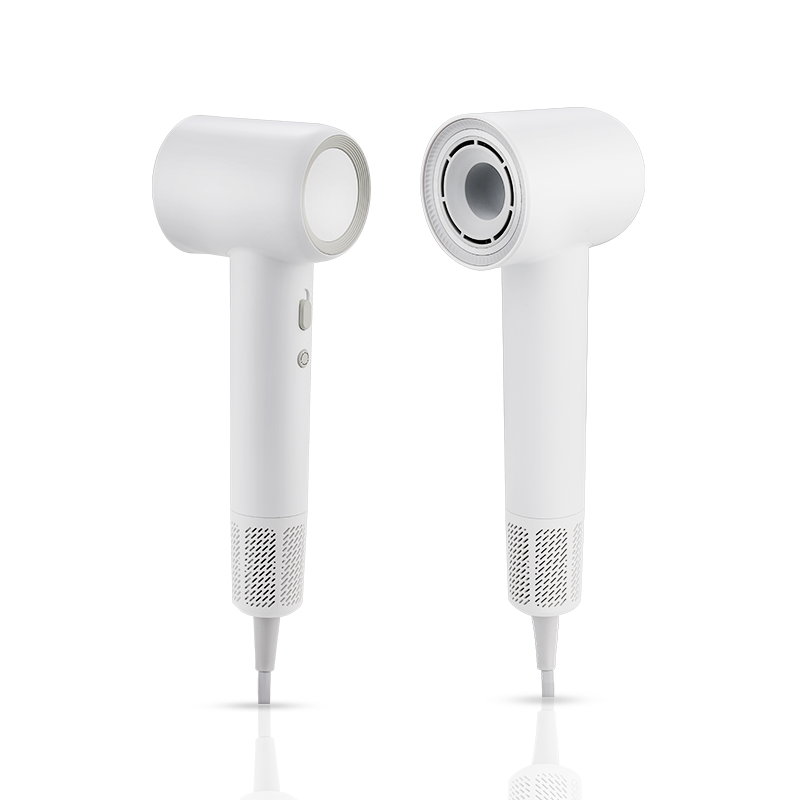
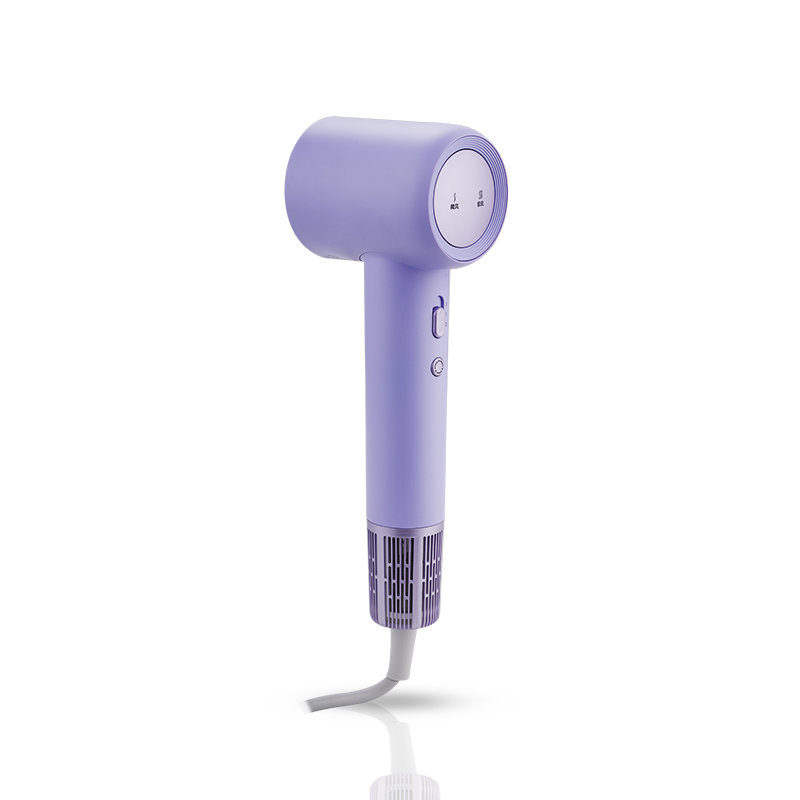
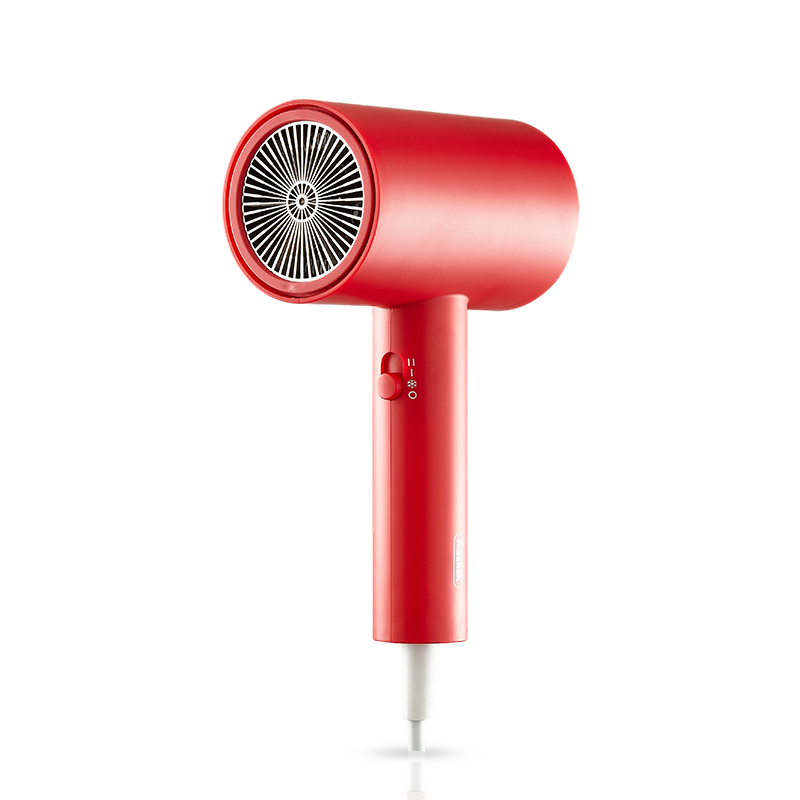
A Hair Dryer is more than a simple heating appliance. Its drying performance depends on airflow, temperature control, motor efficiency, heating element design, air outlet structure, safety protection and the attachments used during styling.

Users frequently search for answers to questions such as “does hair dryer kill head lice,” “can you bring a hair dryer on a plane,” “how hot does a hair dryer get,” and “Are hair dryer and hair blower the same?” Understanding these topics helps users operate the appliance more safely and select a model that matches their hair type, travel needs and daily styling habits.

Quick Product Focus

Drying efficiency Airflow plus controlled heat
Temperature control Multiple heat settings
Travel suitability Voltage and plug compatibility
Safety priority Overheat and electrical protection

01

How Hot Does a Hair Dryer Get?

The outlet temperature varies according to the heat setting, airflow speed, heater power, room temperature, nozzle type and measuring distance. A concentrated nozzle can direct more heat toward a smaller area, while a diffuser spreads the airflow across a wider surface.

02

Can You Bring a Hair Dryer on a Plane?

A standard corded hair dryer is generally treated as a personal electrical appliance. Battery-powered models require additional attention because lithium batteries may be subject to cabin baggage and checked baggage restrictions.

03

Does Hair Dryer Kill Head Lice?

A domestic hair dryer should not be considered a dependable head lice treatment. Excessive heat can injure the scalp or damage hair before every louse and egg is exposed to an effective temperature.

04

Are Hair Dryer and Hair Blower the Same?

In everyday use, the two terms usually refer to the same appliance. Hair dryer is the more widely used product name, while hair blower emphasizes the airflow function. Product specifications matter more than the wording.

How a Hair Dryer Produces Controlled Airflow and Heat

A hair dryer draws surrounding air through an inlet filter. An electric motor rotates a fan, pushing the air through an internal duct. When a heat setting is selected, the air passes across an electrical heating element before leaving the outlet.

The interaction between airflow and temperature determines how quickly moisture evaporates from the hair surface. High temperature without enough airflow can create concentrated heat. Strong airflow without excessive temperature can often improve drying efficiency while reducing thermal exposure.

Internal airflow design is therefore an important product characteristic. A properly designed air passage reduces turbulence, supports consistent outlet pressure and helps prevent excessive heat accumulation inside the housing.

Step 1

Air Intake

Room air enters through the rear filter and protective grille.

Step 2

Motor Operation

The motor drives the fan to create continuous airflow.

Step 3

Heat Transfer

Selected heat settings control the energy supplied to the heating element.

Step 4

Directed Outlet Air

The outlet and attachment shape determine the airflow distribution.

How Hot Does a Hair Dryer Get During Normal Use?

There is no single temperature that applies to every hair dryer. Heat output is affected by electrical power, motor speed, heater resistance, airflow volume and the distance between the outlet and the hair. The temperature measured directly at the nozzle can be significantly higher than the temperature reaching the hair from a safer working distance.

Cool Setting Finishing and reducing heat exposure
Low Heat Fine, fragile or partially dry hair
Medium Heat Balanced daily drying
High Heat Fast moisture removal with careful movement
Operating Mode Airflow Characteristic Recommended Application Operating Attention
Cool Air Unheated or lightly warmed airflow Finishing, shaping and reducing residual heat Longer drying time may be required
Low Heat Gentle and controlled thermal output Fine hair, damaged hair and sensitive scalp use Maintain movement and suitable distance
Medium Heat Balanced heat and drying speed Regular household drying Avoid blocking the rear air inlet
High Heat Fast moisture evaporation Thick hair and initial removal of heavy moisture Do not hold the outlet close to one area
Concentrator Nozzle Narrow and directional airflow Controlled styling and brush-assisted drying Localized heat can increase quickly
Diffuser Attachment Wide and distributed airflow Curly hair, textured hair and volume control Drying time depends on diffuser structure

Does Hair Dryer Kill Head Lice Safely?

The question “does hair dryer kill head lice” often appears when users are looking for a quick home treatment. A normal household hair dryer is not designed to provide controlled medical treatment and cannot guarantee that all lice and eggs receive the same amount of heat.

Hair density, strand direction and the location of eggs close to the scalp make uniform heat exposure difficult. Increasing the temperature or extending the operating time may cause scalp burns, excessive dryness or damage to the hair surface.

Appropriate lice treatment generally requires a recognized treatment method, careful combing, repeated inspection and cleaning of recently used bedding, clothing and hair accessories. Users should follow the instructions supplied with the selected treatment.

Important Operating Restriction

Do not use a hair dryer immediately after applying a flammable, alcohol-based or heat-sensitive hair treatment unless the treatment instructions clearly permit the use of heated appliances.

Wet hair products, treatment residue and high outlet temperatures can create additional safety risks.

Can You Bring a Hair Dryer on a Plane?

A conventional corded hair dryer is usually easier to transport than a cordless model because it does not contain an internal lithium battery. Airline rules, airport security requirements, baggage weight limits and destination electrical standards should still be checked before travel.

Corded Hair Dryer

Commonly packed in cabin baggage or checked luggage when no restricted battery, fuel container or gas cartridge is included.

Cordless Hair Dryer

Requires verification of battery type, battery capacity, removable battery design and airline rules for lithium-powered appliances.

Dual-Voltage Model

Suitable for international travel when the voltage switch is correctly set before connection to the destination power supply.

Plug Adapter Use

A plug adapter changes the plug shape only. It does not convert an incompatible electrical voltage into the voltage required by the appliance.

Travel Check Before Packing

Appliance Information

Read the rated voltage, frequency, power and battery information on the product label.

Destination Power

Confirm local voltage, frequency and plug configuration before connecting the appliance.

Airline Requirements

Review current cabin baggage and checked baggage rules for electrical appliances.

Are Hair Dryer and Hair Blower the Same?

Hair Dryer

The commonly accepted product term for an electrical appliance designed to remove moisture from hair and assist with styling.

Compared With

Hair Blower

A regional or descriptive term that emphasizes the blowing function. In most household and personal care contexts, it refers to the same product category.

Product names should not be the only selection criterion. Motor type, heating performance, airflow control, voltage, attachments, noise level and safety protection provide a more accurate basis for comparing different models.

Key Hair Dryer Components That Influence Performance

Motor and Fan Assembly

The motor and fan determine airflow speed, air volume, vibration and operating noise. Stable rotation supports consistent drying and helps reduce irregular airflow.

Heating Element

The heating element converts electrical energy into heat. Its arrangement affects outlet temperature consistency and the distribution of heat across the air channel.

Temperature Control

Multiple heat settings allow users to adjust the appliance for fine, thick, curly, damaged, wet or nearly dry hair.

Air Inlet Filter

The rear filter prevents large particles and loose hair from entering the motor area. A removable structure can simplify regular cleaning.

Housing Material

Heat-resistant housing helps protect internal components and supports safer handling during extended operation.

Attachment Interface

A secure attachment connection keeps concentrators, diffusers and styling nozzles stable during use.

How to Evaluate a Hair Dryer for Different User Needs

User Requirement Useful Product Feature Reason for Selection
Fast daily drying Strong airflow with multiple heat levels Supports efficient moisture removal without relying only on maximum heat
Fine or damaged hair Low heat setting and stable temperature control Reduces unnecessary thermal exposure
Curly or textured hair Wide diffuser attachment Distributes airflow and helps preserve curl shape
Precision styling Narrow concentrator nozzle Directs airflow toward a controlled section of hair
Frequent travel Compact body, folding handle or dual-voltage design Improves packing convenience and destination compatibility
Shared household use Multiple speed, heat and attachment options Allows one appliance to support different hair types
Long operating sessions Balanced handle, stable motor and overheat protection Improves comfort and supports safer operation

Production Details That Support Product Reliability

Hair dryer quality depends on more than exterior appearance. Component consistency, electrical assembly, heat resistance and airflow testing influence how the product performs during repeated use.

01

Incoming Component Inspection

Motors, switches, cables, heating elements and housing materials should be checked against defined specifications before assembly.

02

Electrical Connection Control

Wiring routes and terminal connections require stable positioning to reduce loose contact, overheating and abnormal operation.

03

Airflow and Temperature Testing

Finished appliances can be tested at multiple speed and heat settings to evaluate outlet performance and temperature consistency.

04

Protection Function Verification

Thermal cut-off devices and overheat protection should respond correctly when the internal temperature exceeds the designed operating range.

05

Housing and Attachment Fit

External parts, air inlets, switches and accessories require secure assembly and consistent dimensional fit.

06

Operating Noise Review

Abnormal friction, fan imbalance and vibration can be identified through controlled operating checks before packaging.

Daily Use and Cleaning Practices

Before Operation

  • Check the power cable, plug, housing and air inlet for visible damage.
  • Confirm that the rated voltage matches the available electrical supply.
  • Remove loose material that may block the rear air intake.
  • Install the selected attachment securely before switching on the appliance.

During Operation

  • Keep the air outlet moving instead of heating one area continuously.
  • Maintain a suitable distance from the scalp and hair surface.
  • Do not cover the inlet or outlet with towels, clothing or bedding.
  • Stop operation if the appliance produces smoke, sparks or a strong burning smell.

After Operation

  • Switch off the appliance and unplug it from the electrical outlet.
  • Allow the housing and attachments to cool before storage.
  • Clean removable filters only after the appliance is disconnected.
  • Avoid tightly wrapping the power cable around the product body.

Hair Dryer FAQ

Can higher wattage always dry hair faster?

Not always. Wattage indicates electrical input, but actual drying performance also depends on airflow volume, motor efficiency, heating design and nozzle structure.

Why does a hair dryer become hotter on a low-speed setting?

Lower airflow can carry less heat away from the heating element. Depending on the internal control system, the outlet air may feel hotter because the air moves more slowly through the heating area.

Can a hair dryer be used close to wet bathroom surfaces?

It should be kept away from bathtubs, sinks, standing water and wet surfaces. Electrical appliances should not be handled with wet hands or stored where they can fall into water.

Why is the rear filter important?

The rear filter supports airflow and reduces the entry of hair, dust and fibers. A blocked filter can reduce air volume and increase internal operating temperature.

What is the difference between a concentrator and a diffuser?

A concentrator creates a narrow, directional stream for controlled styling. A diffuser spreads airflow across a wider area and is often used for curly or textured hair.

Can you bring a hair dryer on a plane in checked luggage?

A corded model is commonly accepted, but users should confirm the airline’s current baggage rules. Battery-powered products may require cabin baggage handling because of lithium battery restrictions.

Hair Dryer Features for Household, Travel and Styling Applications

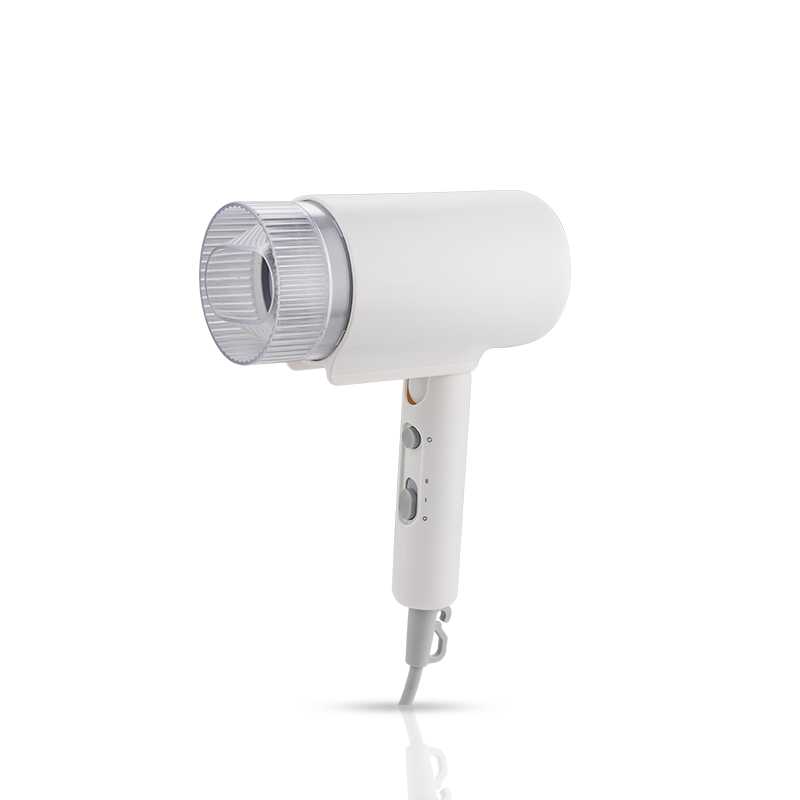
Product configurations can include multiple airflow levels, adjustable temperature settings, cool-shot control, concentrator nozzles, diffuser attachments, removable filters, folding handles, different plug types and voltage options.

The suitable configuration depends on the target hair type, expected operating time, destination electrical standard, preferred housing design and required attachment combination.

Multiple Heat Settings Adjustable Airflow Cool Air Function Concentrator Nozzle Diffuser Option Removable Filter Overheat Protection Travel Configuration

Recommended News