

 English
 Español
 عربى
عربى
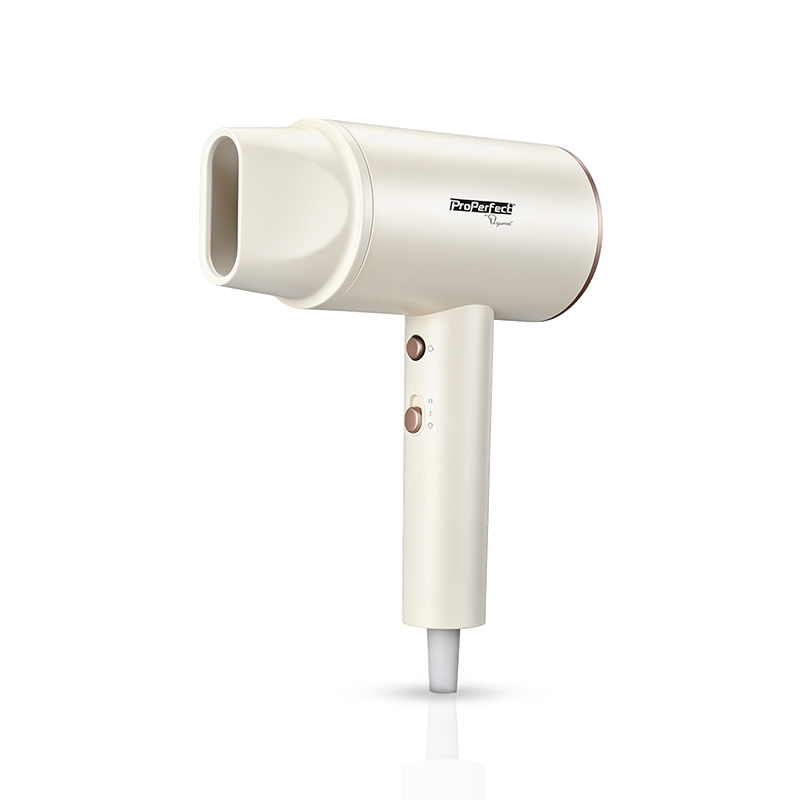
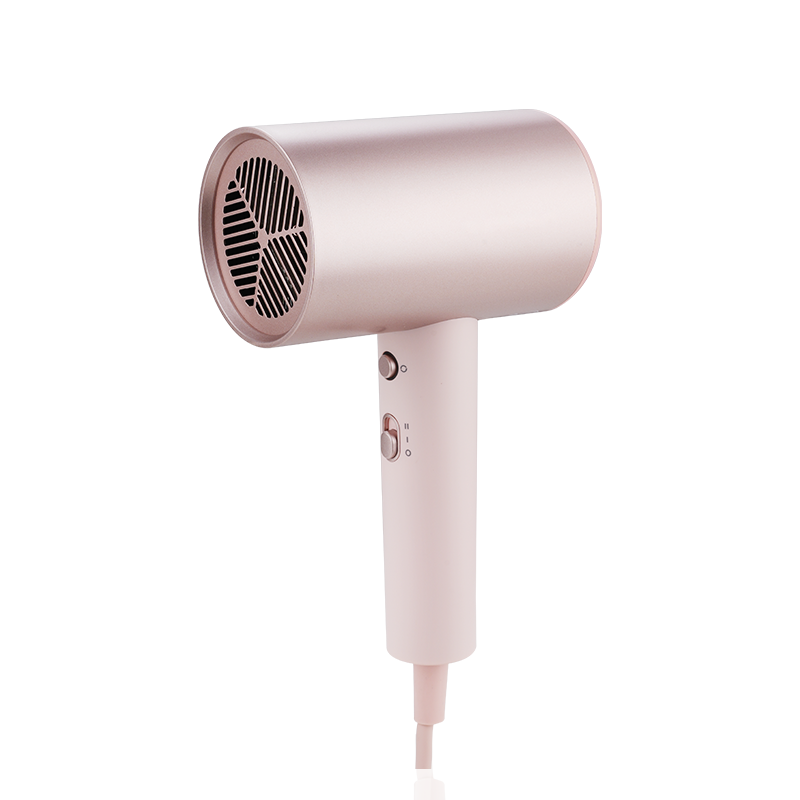
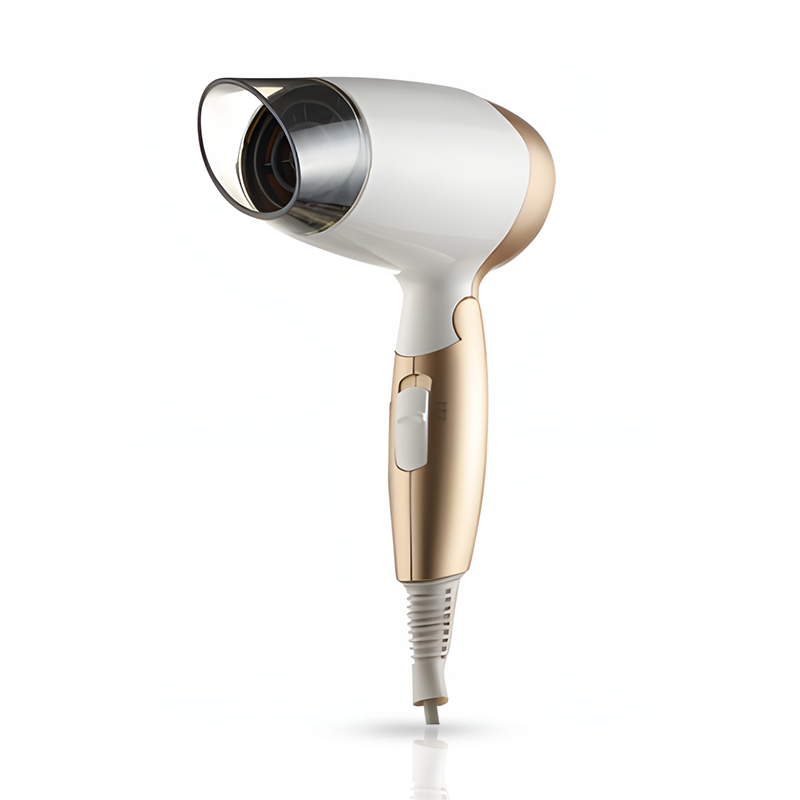
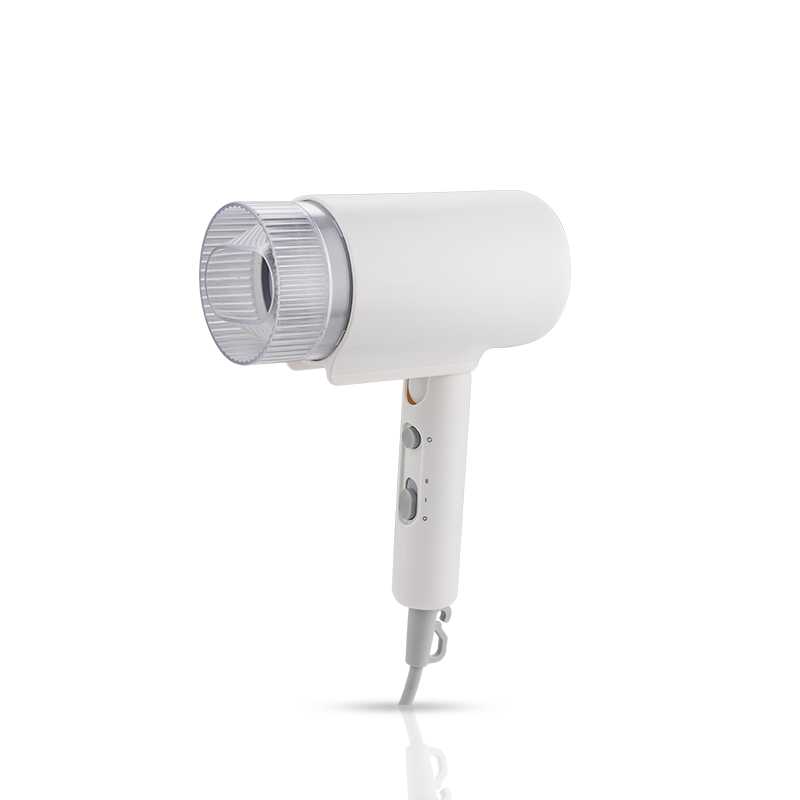
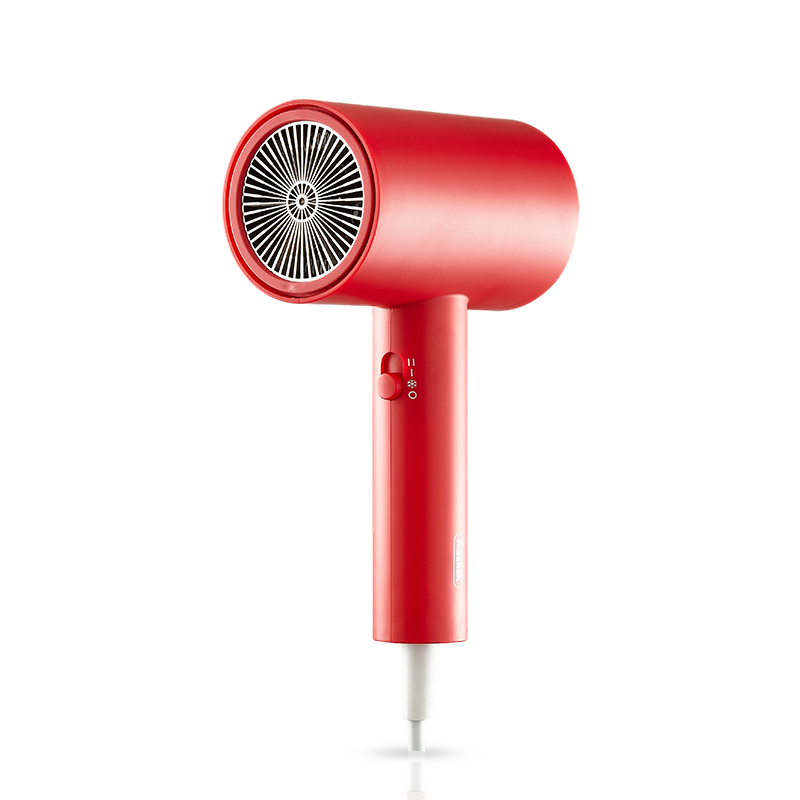
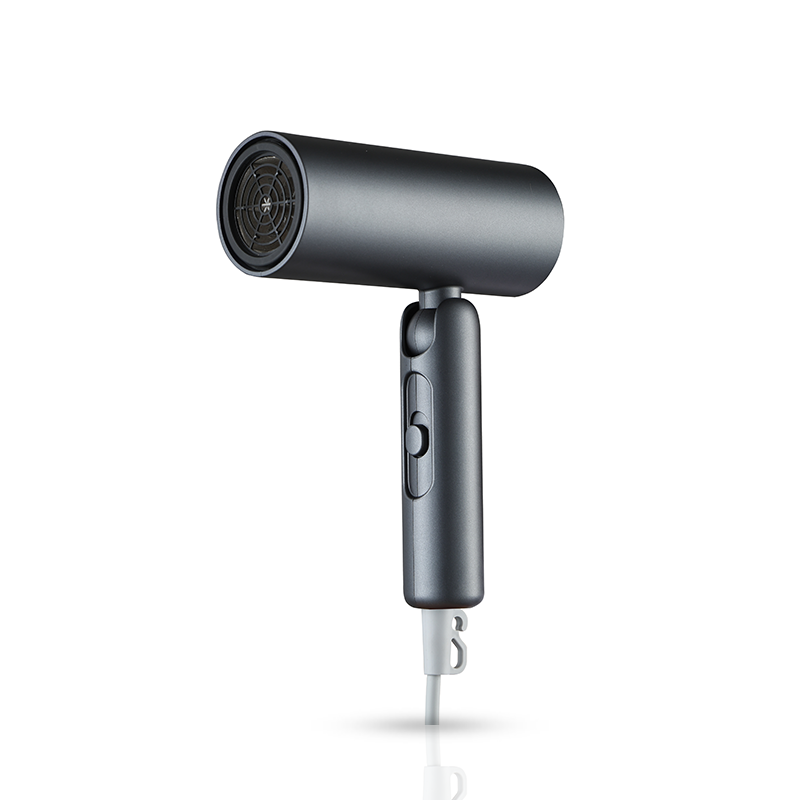

Understanding the Technology: What Makes a DC Hairdryer Different?
When exploring the vast market of personal care appliances, selecting the right hair styling tool can profoundly impact your daily hair care routine. At the heart of every modern styling tool lies its motor, which dictates performance, weight, noise level, and longevity. Among the available options, the DC Hairdryer has emerged as the premier choice for household users, blending advanced engineering with user-centric design. Manufactured by industry leaders like Ningbo Prima Electric Appliances Co., Ltd, these appliances are crafted to deliver salon-quality results right in the comfort of your home.
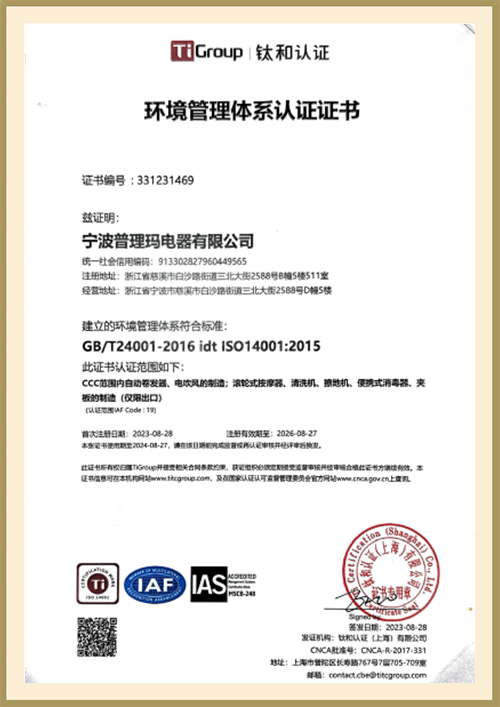
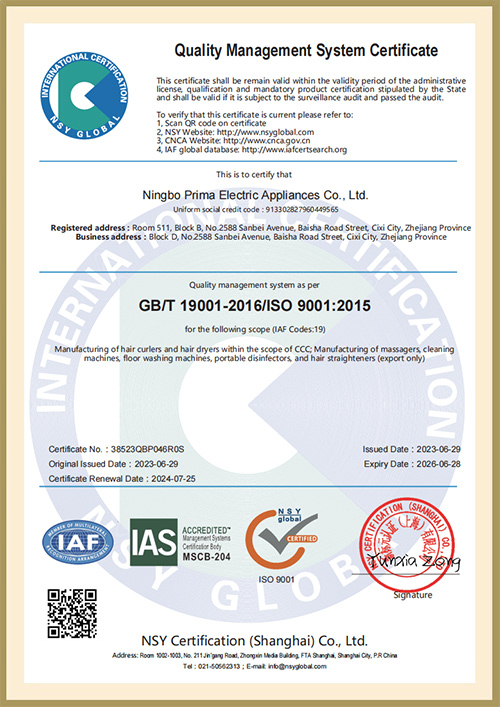
Established in 2007 and located in Cixi City, Zhejiang province, Ningbo Prima Electric Appliances Co., Ltd is a dedicated factory specializing in the development and manufacturing of premium personal care products and household cleaning products. With products proudly approved by CE, GS, ETL, UL, CB, and certified through BSCI and ISO9001 audits, the company has built a robust global footprint, supplying major markets across America, Japan, Europe, and Russia, alongside successful partnerships with renowned domestic brands such as Midea and Bear. Backed by a strong R&D team, a mature quality management system, and a complete product laboratory, Ningbo Prima Electric Appliances Co., Ltd remains committed to being your trusted OEM and ODM partner, driving innovation in every DC Hairdryer produced.
To truly appreciate the engineering excellence embedded in a DC Hairdryer, it is essential to understand how Direct Current (DC) motor mechanisms operate and how they compare with their Alternating Current (AC) counterparts.
The Mechanics Behind the DC Motor
A Direct Current (DC) motor operates using direct electrical current, typically powered via an internal rectifier that converts household alternating current (AC) into direct current for the motor, or by utilizing permanent magnets and carbon brushes. In the context of a DC Hairdryer, this compact motor design offers several distinct mechanical advantages:
1. Compact Footprint and Lightweight Construction: Because DC motors require fewer heavy copper windings and feature smaller magnet structures, they are significantly lighter than AC motors. This reduction in weight prevents arm fatigue during extended styling sessions.
2. High-Speed Rotational Efficiency: DC motors are capable of achieving high RPM rates instantly, generating rapid airflow velocity that assists in surface moisture evaporation without relying solely on excessive heat.
3. Optimized Energy Consumption: Designed primarily for intermittent, household use, a DC Hairdryer maximizes electrical efficiency, delivering powerful performance while maintaining safe power thresholds suitable for residential electrical grids.
Comprehensive Parameter Comparison: DC vs. AC Motors
To evaluate the structural and operational differences between styling appliances, a direct technical comparison highlights why a DC Hairdryer is uniquely tailored for home environments, whereas AC motors are traditionally engineered for heavy-duty salon environments.
| Technical Parameter | DC Motor Hairdryer | AC Motor Hairdryer |
|---|---|---|
| Primary Target User | Home consumers, travelers, daily styling enthusiasts | Professional hair stylists, high-volume salons |
| Average Weight | Lightweight (300g to 500g) | Heavy (600g to 900g+) |
| Motor Lifespan | Moderate to High (approx. 500 to 800 hours) | Extended Professional Grade (1,500+ hours) |
| Airflow Mechanism | High-velocity airflow driven by rapid rotational speed | High-volume mass airflow driven by heavy-duty torque |
| Noise Profile | Softer, higher-pitched hum | Deeper, louder mechanical rumble |
| Physical Dimensions | Compact, ergonomic, easily maneuverable | Bulky, longer barrel, balanced for professional balance |
| Manufacturing Focus | Versatility, multi-speed integration, lightweight styling | Continuous run-time durability, thermal overload resistance |
As illustrated in the comparison matrix, while AC motors prioritize continuous, all-day salon endurance at the expense of heavy weight, a DC Hairdryer prioritizes user comfort, ergonomic agility, and precise airflow control. This makes it the ideal choice for everyday styling, ensuring that users can achieve smooth, volumized, or sleek hair styles effortlessly without physical strain.
Through rigorous quality control and cutting-edge laboratory testing at Ningbo Prima Electric Appliances Co., Ltd, every DC Hairdryer undergoes strict performance evaluations to ensure optimal balance between airflow velocity, thermal regulation, and structural durability. Whether you are upgrading your personal grooming routine or seeking a reliable manufacturing partner for custom OEM and ODM solutions, understanding these core technological foundations ensures you make an informed investment in superior hair care technology.
Key Features to Look For When Buying a DC Hairdryer
When selecting the ideal personal care appliance for your daily grooming routine, understanding the core specifications and technological features is essential. A top-tier DC Hairdryer is distinguished not just by its motor efficiency, but by how effectively its integrated features protect hair health while delivering salon-grade styling results. At Ningbo Prima Electric Appliances Co., Ltd, our commitment to superior product engineering ensures that every device meets rigorous international safety and performance benchmarks, holding prestigious approvals such as CE, GS, ETL, UL, CB, alongside BSCI and ISO9001 quality management certifications.
To help consumers, retailers, and prospective OEM and ODM partners identify the best specifications, we examine the critical features that define a high-performing DC Hairdryer.
1. Wattage and Airflow: Balancing Gentle Drying with Styling Power
Wattage dictates the electrical power consumed by the heating element and the motor, but in a well-designed DC Hairdryer, high wattage is intelligently paired with aerodynamic airflow to prevent heat scorching.
Low Wattage (1000W to 1400W): Ideal for travel, fine hair, or children. These models draw less electrical current and provide gentle airflow that minimizes the risk of over-drying fragile strands.
Medium to High Wattage (1600W to 2200W): The sweet spot for versatile home styling. A high-efficiency DC Hairdryer operating in this range generates robust velocity to disperse water droplets quickly from thick or long hair without requiring dangerously high thermal output.
2. Heat and Speed Settings: Customizing Airflow for Different Hair Textures
Hair types vary significantly in density, porosity, and thermal tolerance. A versatile DC Hairdryer offers independent heat and speed controls rather than fixed combinations, allowing users to tailor the drying environment precisely to their needs.
| Hair Texture / Type | Recommended Heat Setting | Recommended Speed Setting | Key Styling Focus |
|---|---|---|---|
| Fine, Thin, or Damaged Hair | Low to Medium Heat | Low Speed | Preventing cuticle damage and minimizing moisture stripping. |
| Normal, Medium-Density Hair | Medium Heat | Medium to High Speed | Balanced drying efficiency and smooth finish. |
| Thick, Coarse, or Curly Hair | High Heat | High Speed | Rapid moisture evaporation and effective straightening or volumizing. |
3. Ionic Technology and Ceramic Heating: Protecting Hair Integrity
Advanced thermal management separates standard styling tools from professional-grade appliances. Modern innovations integrated into a premium DC Hairdryer include:
Ionic Technology: Built-in negative ion generators release millions of negative ions that neutralize positive ions present in wet hair. This breaks down water droplets faster for quicker evaporation while sealing the hair cuticle to lock in moisture, eliminate frizz, and enhance natural shine.
Ceramic Heating Elements: Unlike traditional exposed metal coils that can create hot spots, ceramic components distribute heat evenly across the airflow path. This gentle, infrared-based heat warms hair gently from the inside out, reducing thermal stress.
Parameter Comparison: Standard vs. Advanced Feature Configurations
To evaluate how different functional tiers impact user experience and hair protection, consider the following feature parameter comparison:
| Feature Specification | Basic Entry-Level Model | Advanced Multi-Functional Model |
|---|---|---|
| Motor Type | Standard DC Motor | High-RPM Optimized DC Motor |
| Heating Element | Standard Coiled Wire | Tourmaline-Infused Ceramic Grid |
| Ion Emission | None | Active Negative Ion Generator (Millions of ions/cm3) |
| Control Switches | 2-Stage Combined Heat/Speed | Independent 3-Heat / 2-Speed + Cool Shot Button |
| Safety Compliance | Basic Regional Approval | Global Certifications (CE, GS, ETL, UL, CB, ISO9001) |
As a trusted manufacturing leader established in 2007 in Cixi City, Zhejiang province, Ningbo Prima Electric Appliances Co., Ltd leverages its comprehensive product laboratory and strong R&D team to integrate these advanced specifications into every production batch. Supplying major markets across America, Japan, Europe, and Russia, while collaborating with renowned domestic household brands like Midea and Bear, Ningbo Prima Electric Appliances Co., Ltd ensures that every DC Hairdryer delivers uncompromising safety, ergonomic excellence, and long-lasting performance for your brand.
Maximizing Results: How to Use Your DC Hairdryer Like a Pro
Achieving a salon-quality blowout at home involves much more than simply pointing a styling tool at wet hair and turning it on. Mastering the correct preparation, attachment utilization, and multi-step drying techniques ensures optimal results while safeguarding hair health. Engineered for home users who demand professional efficiency, a DC Hairdryer provides the ideal combination of lightweight maneuverability and high-velocity airflow necessary for precision styling.
At Ningbo Prima Electric Appliances Co., Ltd, our dedication to superior personal care engineering extends beyond the manufacturing floor. Established in 2007 in Cixi City, Zhejiang province, our factory specializes in developing innovative hair care solutions backed by strict quality management systems and a complete in-house product laboratory. Having earned prestigious global approvals such as CE, GS, ETL, UL, and CB, alongside BSCI and ISO9001 certifications, our appliances are trusted by major markets across America, Japan, Europe, and Russia, as well as renowned domestic partners like Midea and Bear.
To help users extract maximum performance from their styling devices, here is a comprehensive guide to maximizing results with your DC Hairdryer.
1. Pre-Drying Preparation and Thermal Protection
The foundation of any great hairstyle begins before the appliance is even plugged in. Exposing dripping-wet hair to high thermal output can cause water molecules inside the hair shaft to boil rapidly, leading to structural damage known as bubble hair.
Gentle Microfiber Blotting: Gently squeeze excess water out using a microfiber towel or cotton t-shirt. Never rub vigorously, as wet hair is in its most elastic and fragile state, making the cuticles prone to lifting and breakage.
Application of Leave-In Treatments: Apply a heat protectant spray, lightweight serum, or anti-frizz cream evenly from mid-lengths to ends. These products create a microscopic barrier that shields hair proteins from excessive thermal stress.
Initial Air-Drying Phase: Use a DC Hairdryer on a medium-heat, high-speed setting to rough-dry hair until it is about 70 percent to 80 percent dry. Keep the appliance moving continuously approximately six to eight inches away from the scalp.
2. Mastering Attachments: Nozzles and Diffusers
A high-performing DC Hairdryer typically comes equipped with specialized attachments designed to direct or disperse airflow for specific styling objectives. Utilizing the correct attachment transforms the appliance from a simple drying tool into a versatile styling station.
Concentrator Nozzle: This flat, narrow attachment compresses the airflow into a targeted, high-velocity stream. It is indispensable for smoothing out cuticles, straightening coarse hair, or executing precise round-brush blowouts. Always position the nozzle downward along the hair shaft to seal the cuticle and maximize shine.
Diffuser Attachment: Featuring wide, extended prongs, the diffuser disperses concentrated airflow over a larger surface area. This is essential for naturally wavy, curly, or coily hair types, as it maintains curl pattern integrity, minimizes frizz, and prevents the disruption of curl clumps caused by direct blasts of air.
Parameter Comparison: Styling Techniques and Attachment Selection
To maximize your results based on your desired look, refer to the following parameter and technique guide:
| Desired Hairstyle | Recommended Attachment | Optimal Heat / Speed Setting | Core Styling Technique |
|---|---|---|---|
| Sleek & Straight | Concentrator Nozzle | Medium-High Heat / High Speed | Section hair, place a round brush underneath at the roots, and follow the brush downward with the DC Hairdryer. |
| Volumized Blowout | Concentrator Nozzle | High Heat / Medium Speed | Lift hair upward at the crown, direct airflow at the roots to build volume, and finish with a cool shot. |
| Defined Curls & Waves | Diffuser Attachment | Low-Medium Heat / Low Speed | Cup sections of curls into the diffuser bowl, lift toward the scalp, and hold for 15 to 30 seconds per section. |
| Quick Daily Dry | No Attachment (Direct Airflow) | High Heat / High Speed | Keep the appliance moving in sweeping motions across the head until 80 percent dry, then refine. |
3. Step-by-Step Execution for Lasting Style
To lock in your look and maintain long-lasting shine, follow this structured styling workflow:
Sectioning: Divide your hair into four manageable quadrants (top, sides, and nape) using sectioning clips. Working systematically prevents tangling and ensures even heat distribution.
Layered Drying: Start from the bottom sections near the nape and work your way up to the crown. This ensures that previously styled upper layers do not get disrupted by falling damp hair.
The Cool Shot Finish: Once a section is completely dry, switch your DC Hairdryer to its cool shot button for 5 to 10 seconds. Lowering the temperature rapidly resets the hydrogen bonds within the hair structure, locking your style in place for hours.
Through rigorous research, development, and stringent quality control, Ningbo Prima Electric Appliances Co., Ltd ensures that every DC Hairdryer delivers consistent thermal regulation, ergonomic balance, and professional styling power. Whether you are expanding your personal grooming routine or seeking a dependable manufacturing partner for OEM and ODM collaborations, our commitment to excellence guarantees superior performance in every session.
Maintenance and Care Tips for Longevity
Ensuring that your personal care appliance performs at its peak efficiency over years of daily use requires regular upkeep and proper handling. While modern engineering ensures robust durability, neglecting basic maintenance can lead to restricted airflow, motor overheating, and diminished thermal performance. Designed for effortless home styling, a DC Hairdryer benefits significantly from simple routine care that preserves its lightweight motor and protects your hair from uneven heat distribution.
At Ningbo Prima Electric Appliances Co., Ltd, our dedication to manufacturing excellence goes beyond initial production. Established in 2007 and headquartered in Cixi City, Zhejiang province, our factory specializes in developing high-performance personal care and household cleaning products backed by rigorous quality assurance. Holding prestigious international approvals such as CE, GS, ETL, UL, and CB, alongside BSCI and ISO9001 certifications, our appliances are trusted by global markets across America, Japan, Europe, and Russia, as well as renowned domestic partners like Midea and Bear.
To help consumers and brand partners maximize product lifespan, here are the essential maintenance and care guidelines for your DC Hairdryer.
1. Cleaning the Rear Filter and Air Intake
The rear filter is one of the most critical components of any hair styling tool, acting as the primary gateway for air intake while blocking dust, lint, and loose hairs from entering the internal motor housing.
Preventing Motor Overheating: When hair dust and lint accumulate over the mesh screen, airflow becomes restricted. This forces the internal motor to work harder, generating excess internal heat that can degrade electrical components and shorten motor lifespan.
Step-by-Step Cleaning Process:
Unplug the DC Hairdryer completely and ensure it is cool to the touch.
Twist or snap off the removable rear filter cap (referencing your user manual for specific removal mechanisms).
Use a soft-bristled brush or a dry cloth to gently wipe away accumulated dust and debris from the metal mesh.
For stubborn buildup, rinse the removable filter cap under lukewarm water, ensuring it is 100 percent completely dry before reattaching it to the device.
Clean the filter at least once every month (or bi-weekly if you use styling products such as hairsprays or mousses daily).
2. Proper Cord Storage and Electrical Safety
Internal wire breakage is one of the leading causes of premature appliance failure. Because a DC Hairdryer relies on a continuous electrical current flowing through flexible internal wiring, how you store and handle the power cord matters greatly.
Avoid Tight Wrapping: Never wrap the power cord tightly around the barrel or handle of the appliance. This puts severe mechanical tension on the cord's base, which can fray internal copper wires and create dangerous short circuits.
Loose Looping Technique: Instead, loosely coil the cord in a natural, circular loop and secure it with a soft Velcro strap or twist-tie.
Safe Storage Practices: Store the appliance in a dry, moisture-free environment such as a cabinet or drawer. Never store it immediately after use while the heating element is still hot, and avoid hanging the device by its cord if it lacks a dedicated hanging loop.
Parameter Comparison: Maintenance Impact on Appliance Lifespan
To illustrate how routine care directly influences operational longevity, consider the following maintenance parameter comparison:
| Maintenance Habit | Neglected / Unmaintained Device | Properly Maintained Device |
|---|---|---|
| Filter Cleanliness | Clogged with dust, causing motor strain and thermal overload. | Clean mesh, ensuring optimal intake and smooth motor operation. |
| Cord Management | Tightly wound, leading to internal wire fraying and power cuts. | Loosely coiled, preserving copper wiring integrity and electrical safety. |
| Average Motor Lifespan | Reduced by 40 percent to 50 percent (approx. 200 to 300 hours). | Maximum operational potential (approx. 500 to 800+ hours). |
| Airflow Performance | Weakened velocity and inconsistent temperature output. | Consistent high-velocity airflow and precise temperature regulation. |
Through strict quality management systems and a complete in-house product laboratory, Ningbo Prima Electric Appliances Co., Ltd designs every DC Hairdryer with durability in mind. By adhering to these simple maintenance practices, you ensure that your styling tool remains a reliable, high-performing companion in your daily routine for years to come.
Frequently Asked Questions (FAQ) & Hair Drying Science
Can I use a DC hairdryer every day without causing heat damage?
Yes, you can use a DC Hairdryer daily without damaging your hair, provided you follow proper thermal protection protocols. Modern styling appliances are equipped with multi-stage heat settings and advanced ionic technology that seal the cuticle and prevent moisture stripping. To protect your hair during daily styling, always apply a quality heat protectant spray from mid-lengths to ends, keep the appliance moving continuously about six to eight inches away from your hair, and finish your session with the cool shot button to lock in the cuticle.
What is the difference between ionic technology and standard heating in a hair dryer?
Standard hair dryers rely solely on dry heat to evaporate water from the hair surface, which can sometimes lift the hair cuticle and cause frizz. In contrast, an advanced DC Hairdryer equipped with ionic technology features an active negative ion generator. These negative ions instantly break down large water droplets into micro-sized molecules for faster evaporation while neutralizing positive charges in damp hair. This seals the hair cuticle tightly, locking in natural moisture, eliminating static frizz, and enhancing overall shine.
How do I choose the right wattage for fine versus thick hair?
Selecting the correct wattage depends heavily on your hair density and texture. For fine, thin, or damaged hair, a lower wattage range (1000W to 1400W) paired with low heat and low speed provides gentle drying without thermal shock. For thick, coarse, or curly hair, a higher wattage range (1600W to 2200W) is recommended. This higher power output delivers the robust airflow velocity needed to evaporate moisture quickly and efficiently from dense hair structures without requiring excessive, damaging heat levels.
