

 English
 Español
 عربى
عربى
Hair Styling Appliances: Types, Technology, and Choosing a Manufacturing Partner
Content
When you pick up a hair styling appliance, the most important information is often printed in small letters on the box: wattage, motor type, ionic technology, or safety lists. Those details are easy to ignore, but they usually determine whether a product dries quickly, creates smooth results, and survives daily use. For anyone choosing a product for personal use or preparing to launch a private-label range, the same rules apply. This article explains the main categories of styling appliances, the technology inside them, and the steps to take when evaluating a manufacturing partner.
The Main Types of Hair Styling Appliances
Hair styling appliances cover a range of tools with different purposes. Hair dryers remain the core product, used for daily drying and pre-styling. Air stylers combine airflow with detachable heads, allowing a single motor unit to smooth, curl, or add volume. Curling wands and irons shape strands through a heated barrel, while straighteners flatten and polish the hair. More recently, cordless and automatic tools have appeared on the market, designed for people who want the same results with less manual effort.
Within each category there are further choices. A hair dryer can be compact or heavy-duty, with a removable filter or a dual-voltage power supply for travel. An air styler may include two, three, or even five heads. Curling wands vary in barrel size to produce tighter curls or looser waves. Straighteners have wide plates for long hair or narrow plates for short bobs. The best starting point is to identify the intended use: daily styling, professional salon work, or travel.
| Category | Primary Function | Best Suited For |
|---|---|---|
| Hair dryer | Drying and pre-styling | Fast everyday blow-dries |
| Air styler | Drying plus multiple styling heads | Volume, waves, and easier styling |
| Curling wand / iron | Creating curls or waves | Defined curls with longer hold |
| Straightening iron | Smoothing rod-thin strands | Sleek, straight styles |
| Cordless auto curler | Automatic curl formation | Quick touch-ups and portable use |
The table reflects typical products rather than every possible variant. For example, some hair dryers combine a round brush head and hot airflow in a single tool, which many brands call a hot air brush. Others are sold with gloves and clips for stylists. When evaluating a range, think about how the appliance will be used and which features create the most noticeable difference in the user's hair.
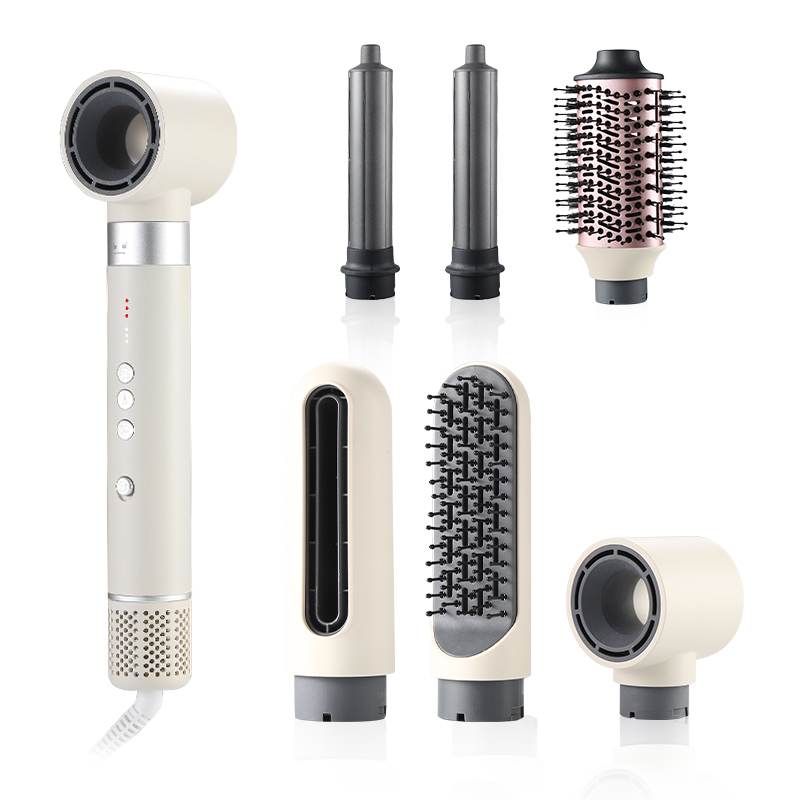 711A Multi-Head High-Speed White Hair Styler with LED DisplayThis multi-head styler combines a 1300-1500W motor with an LED screen and 200 million negative ions, offering precise airflow and temperature control for versatile styling in one tool.View Product →
Core Technologies That Change Performance
When you compare styling appliances, the motor is the most decisive component. Traditional DC motors are still common in low-cost products. They are inexpensive to produce, but they limit the air pressure and speed of a drying or styling tool. BLDC motors, also called brushless direct current motors, spin at much higher speeds and produce a stronger, more focused airflow. The practical benefit is that hair can be dried or styled quickly without turning the heat up to unsafe levels. This is especially important for people with fine, chemically treated, or naturally frizzy hair.
The heating system is the second critical component. High-quality appliances often use PTC (positive temperature coefficient) heating elements, which adjust their resistance as the temperature rises. This lowers the risk of overheating. The heating element is normally paired with thermostats and thermal cutoffs. In advanced dryers, a microcontroller can monitor the current temperature several times per second and make fine adjustments. The result is a more even heat profile, which helps avoid hot spots that can damage the hair shaft.
| Feature | BLDC motor hair dryer | Traditional DC hair dryer |
|---|---|---|
| Air speed | High | Medium |
| Noise level | Quieter in good designs | Generally louder |
| Heat required to dry | Low | High |
| Production cost | Higher | Lower |
| Typical lifespan | Longer | Shorter |
Ionic technology has also become popular. A negative ion generator releases small particles that help break down water droplets on the surface of the hair. This can shorten drying time and reduce static, leaving a smoother finish. Temperature control is just as important as styling performance. A tool that maintains a stable temperature from the first second to the last is easier to control and safer for repeated use. Many modern models add LED screens, memory modes, and child-care settings. These are not simply visual additions; they change the way the user sets and monitors the heat.
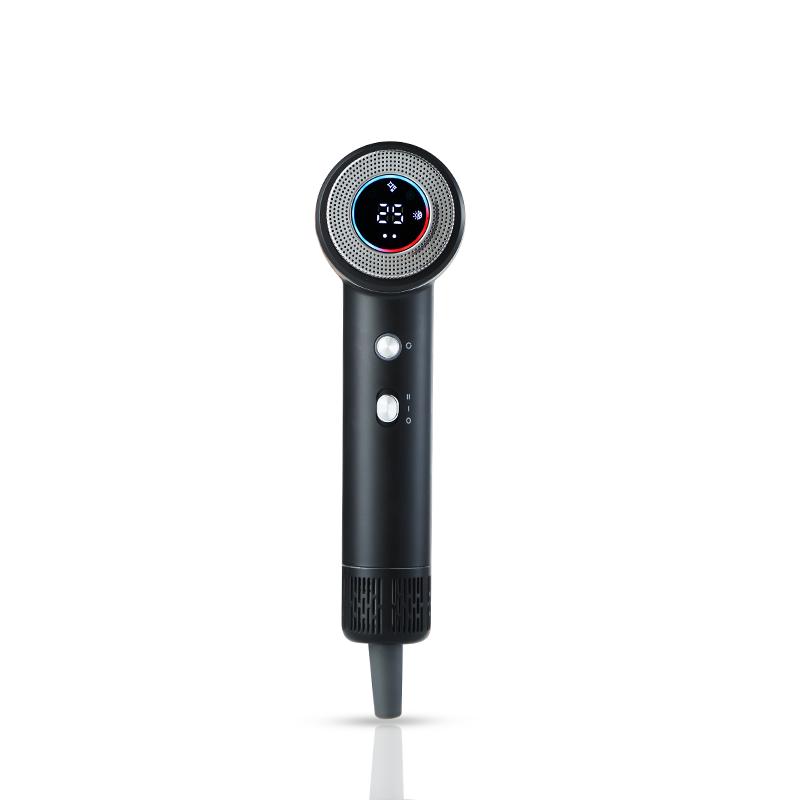 AU707A Smart LED Display BLDC High-Speed Ionic Hair DryerFeaturing a BLDC motor, billion-level ion care, and an intelligent temperature display, this 1600W dryer delivers rapid, low-heat drying suitable for professional and home use.View Product →
Notable Trends: Cordless and Multi-head Tools
Two trends have changed the way people choose styling products. The first is the multi-head air styler, which combines a motorised handle with different barrels and brush heads. It replaces several separate tools and shortens the time spent switching between devices. The second is cordless operation. Removing the power cord gives users greater freedom, especially in small bathrooms, backstage areas, or when travelling. Cordless tools depend on a battery with enough capacity to maintain steady heat while the motor is running. Designers must balance weight, battery life, power output, and charging speed.
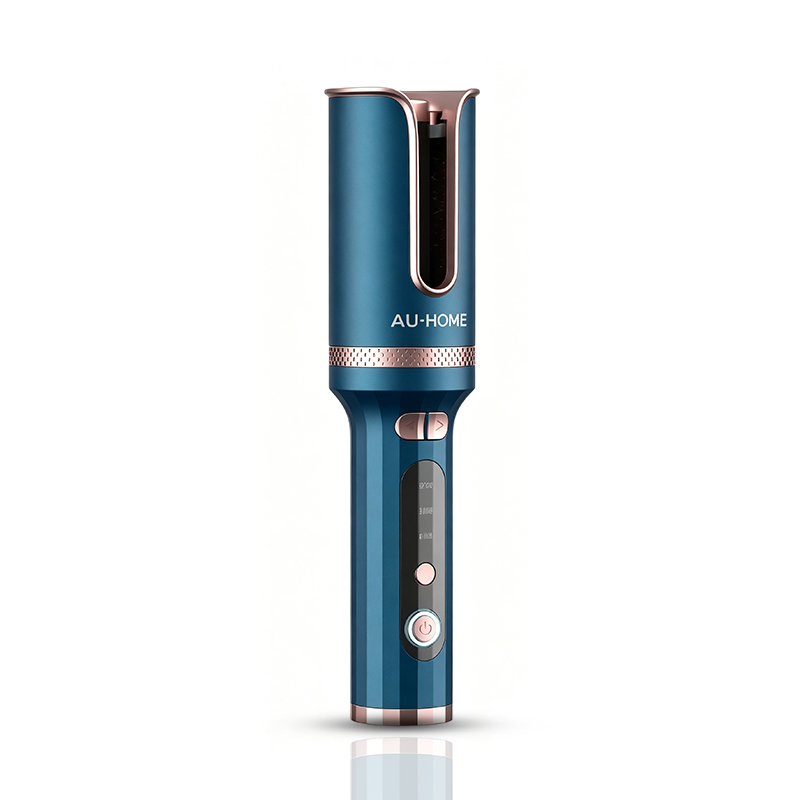
Automatic curlers are a clear example of this trend. A smart wireless charging hair curler rotates a small section of hair around the barrel automatically, with the user only positioning the tool near the roots and waiting for the beep. The wireless charger doubles as a storage base, so the appliance is always ready. For an unboxing and usage experience, this type of tool feels modern and convenient. However, the motor, battery, and heating element must be integrated carefully; otherwise, the curler could be too heavy for one hand or take too long to heat.
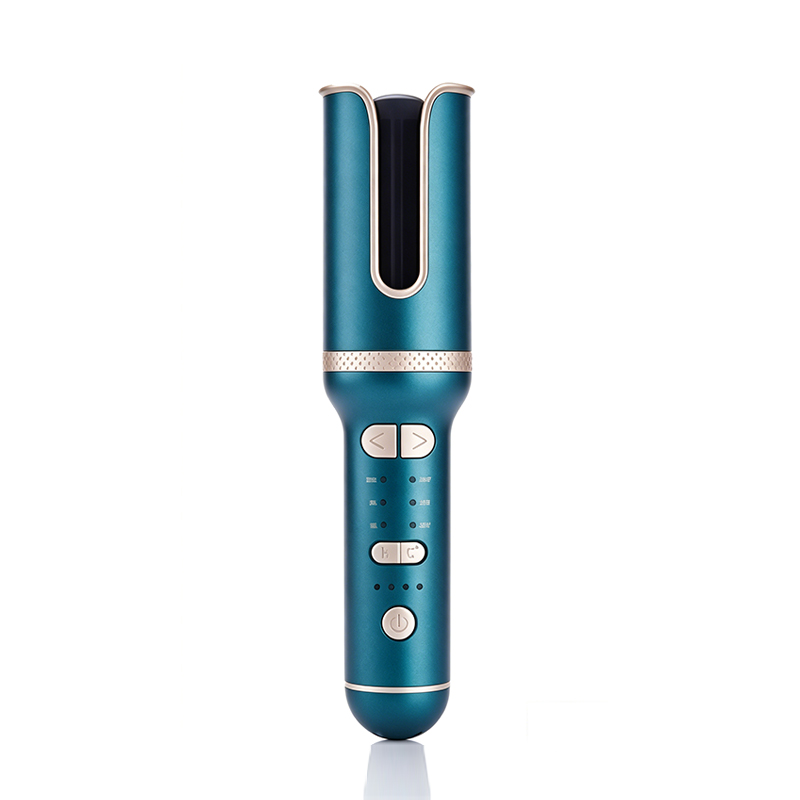 501 Wireless Charging Automatic Hair Curler with 4800mAh BatteryA cordless curler with a 4800mAh battery, three heat and timing settings, and auto shut-off, providing convenient, safe curling with digital temperature feedback.View Product →
What to Check Before Choosing a Manufacturer
For a brand owner, the quality of a styling appliance depends on the factory behind it. Two products can look identical on the outside, yet perform very differently because of materials, testing, or production discipline. When evaluating a supplier, start by looking at the technical choices they make, not just the price they quote. The list below covers the essential points.
- Certifications: Check that the factory holds current approval documents for your target markets, such as CE, ETL, UL, or GS. The certificates should cover the exact product model, not just similar lines.
- Materials and components: The heating element, motor, wiring, and plastic housing must be rated for long use. Ask about flame-retardant material and the expected lifetime of the motor.
- In-house testing: A supplier with a product laboratory can test airflow, temperature uniformity, noise, and drop resistance. This reduces the risk of failures after products reach the market.
- Traceability: Reliable suppliers keep batch records. If a complaint appears, they can identify the production lot and help investigate the root cause.
- Production capacity: Confirm the monthly output, lead times, and how the factory handles peak seasons. This is especially important for seasonal promotions.
These checks become easier when the factory is willing to show its lab records and discuss defects in detail. A transparent manufacturer should be able to explain how it selects motors, how it tests temperature stability, and how it handles a failed batch. If you are sourcing for the American or European market, also verify the voltage rating and plug type for each target country. Some dryers are designed for dual voltage, which expands distribution options.
You can see examples of comparable designs in our product range. The specifications listed on each page are a useful starting point for your own checklist.
If you are still deciding which product format is worth developing, start with consumer habits. Fast drying, low heat, and easy handling are not optional extras anymore. If you are choosing a household unit, read our complete household hair dryer buying guide for a step-by-step product evaluation. For a commercial range, demand the same technical scrutiny from the factory. The best styling appliances may look simple, but they are the result of careful motor selection, controlled temperatures, and consistent manufacturing.
-
Hair Styling Gadgets for OEM/ODM Brands: Selection and Manufacturing Guide
When a product manager at a personal care brand sits down to review a new line of hair styling gadg...
-
Hair Styling Appliances Manufacturers: A Sourcing Guide for Brands
It takes only one defective shipment to erase a year of brand building. For companies importing hai...
-
Hair Dryer Manufacturers: How to Evaluate OEM and ODM Partners for Your Brand
If two hair dryer manufacturers quote what looks like the same product — an 1800 W dryer with negat...
-
Choosing the Perfect Household Hair Dryer: A Complete Buying Guide
1. Understand Your Hair Type Different hair types require different heat, speed, and technology wh...
-
What is the Difference Between an Ionic and Household Hair Dryer?
Introduction: Decoding the Science of Modern Hair Styling For decades, the humble household hair dry...
-
Can an Ionic Household Hair Dryer Truly Reduce Frizz and Static?
The quest for salon-perfect hair at home has led to a surge in advanced beauty technologies, with “I...
- Home Products About Service News Contact
- Personal Care Products Pet Appliances
-
- Email: [email protected] Phone: +86-137 7710 9088 Add: Industrial Park of Henghe Town, Cixi City, Zhejiang Province, China
-
Contact Us Anytime for Exclusive Solutions
