

 English
 Español
 عربى
عربى
Hair Styling Gadgets for OEM/ODM Brands: Selection and Manufacturing Guide
Content
When a product manager at a personal care brand sits down to review a new line of hair styling gadgets, the first technical meeting quickly becomes a list of motor types, temperature ranges, and certification files. Yet the conclusion is usually the same: the manufacturing partner matters more than the number of functions on the spec sheet. This guide is written for those buyers who want to understand what separates a reliable styling gadget from a short-lived one, and what to ask before placing a production order.
The Core Requirements for Hair Styling Gadgets
Hair styling gadgets are no longer simple heating devices. The products expected to succeed in today's retail environment need to balance heat performance, airflow, convenience, and safety. For a brand sourcing through OEM or ODM, the key is to focus on the systems that affect user results and long-term durability: the motor, the heating element, the temperature control loop, and the protective features.
From a manufacturing perspective, these four elements are what determine whether a product can be sold at a premium or will end up in the returns pile. A high-speed brushless motor can dry hair in less time, but without accurate temperature control it will still cause damage. Ion technology reduces frizz, but only if the ion generator is properly integrated into the airflow path. Buyers should not assume that a long feature list is enough; the engineering details behind each feature are what create value.
Why BLDC Motors Are the Industry Baseline
Brushed motors have been used in hair dryers for decades, but they are limited by weight, noise, and lifespan. Brushless DC motors, known as BLDC, are now standard on high-end home styling devices because they deliver higher rotational speed with less moving friction. That translates to a lighter body, faster airflow, and a quieter run cycle. A typical BLDC-based hair dryer can reach 110,000 RPM or more, which pushes the air through the nozzle quickly enough to dry hair with less heat exposure.
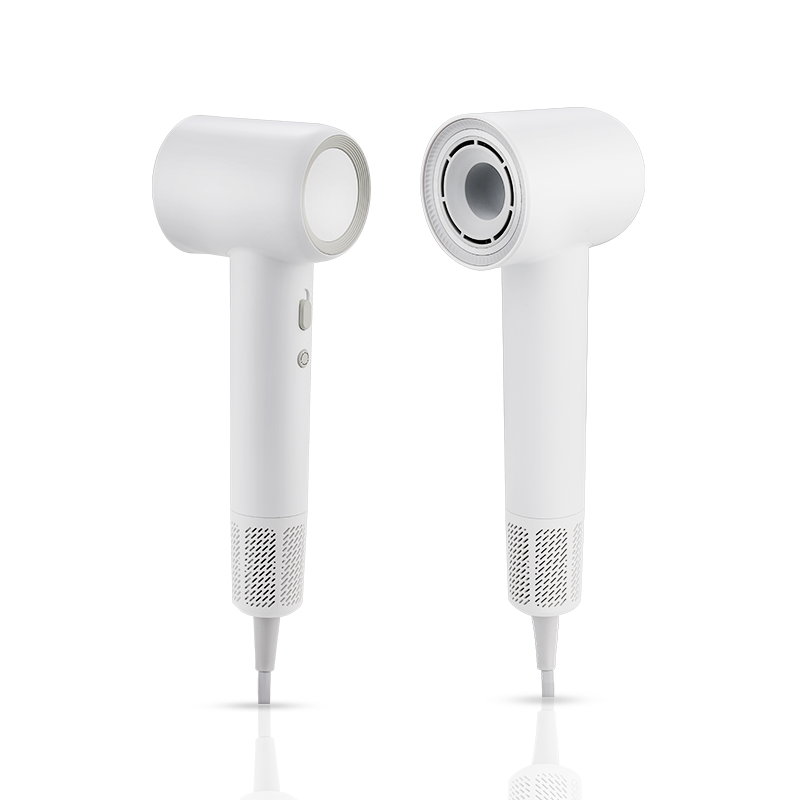
When a vendor presents a BLDC motor as the main selling point, ask about the motor's rated lifespan, the noise level in decibels, and the airflow rate measured in cubic feet per minute. These specifications are not optional for a serious product. A reliable supplier will have documented test results. In our own production, for example, we have integrated BLDC motors into a full range of high-speed dryers, from the AU770i AI champagne gold hair dryer with dynamic display control to simpler professional-grade models. The motor choice changes how the entire product is balanced and how the heat control system reacts.
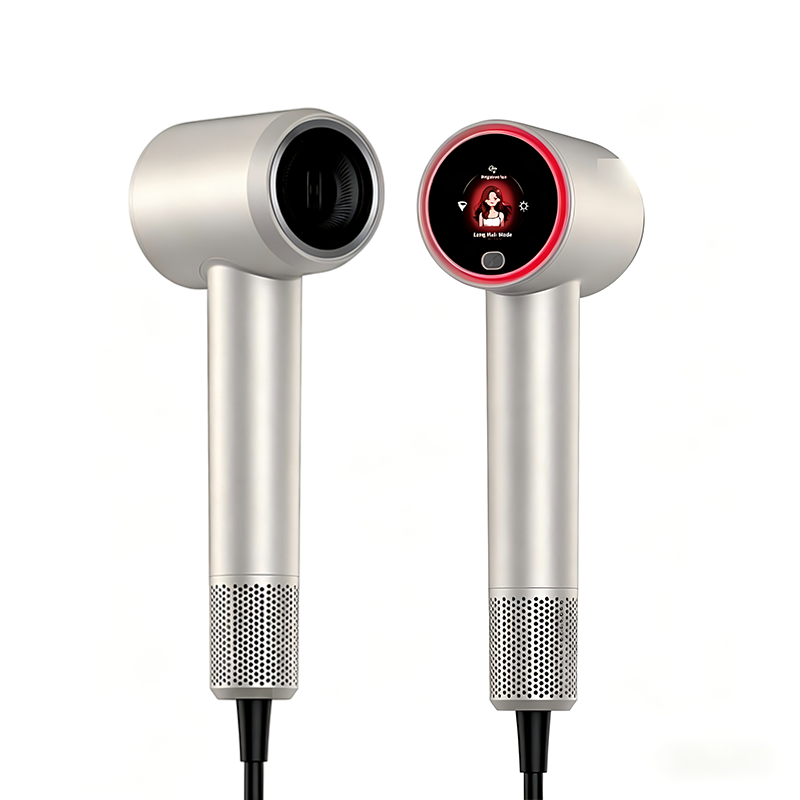 AI Champagne Gold Hair Dryer with Distance-Sensing TechnologyThis high-speed dryer features a 1600W motor, AI distance sensing to prevent overheating, multiple modes, and negative ions for smooth, frizz-free hair—ideal for tech-savvy home users and salons.View Product →
Multi-Stylers and All-in-One Air Stylers
One of the strongest trends in hair styling gadgets is the shift from single-purpose tools to all-in-one air stylers. A single device that can dry, curl, straighten, and add volume appeals to consumers who value storage space and travel convenience. For a brand, this means the OEM partner must be able to design a common base unit with interchangeable heads, each with its own heating profile and airflow direction.
An all-in-one hair styler typically uses a BLDC motor in the handle and then routes the airflow through different attachment types. The engineering challenge is to keep the temperature consistent across attachments and to make the heads easy enough to switch without a long learning curve. Manufacturers with experience in this category know that the locking mechanism, the cable routing, and the thermal insulation are all part of the basic specification.
Our 711A multi-head high-speed white hair styler illustrates this approach: a brushless motor in the body powers several styling heads, letting a single gadget handle a morning routine that would otherwise need three separate tools. Brands that choose a multi-head configuration can reduce inventory complexity while still offering a high perceived value to the end user.
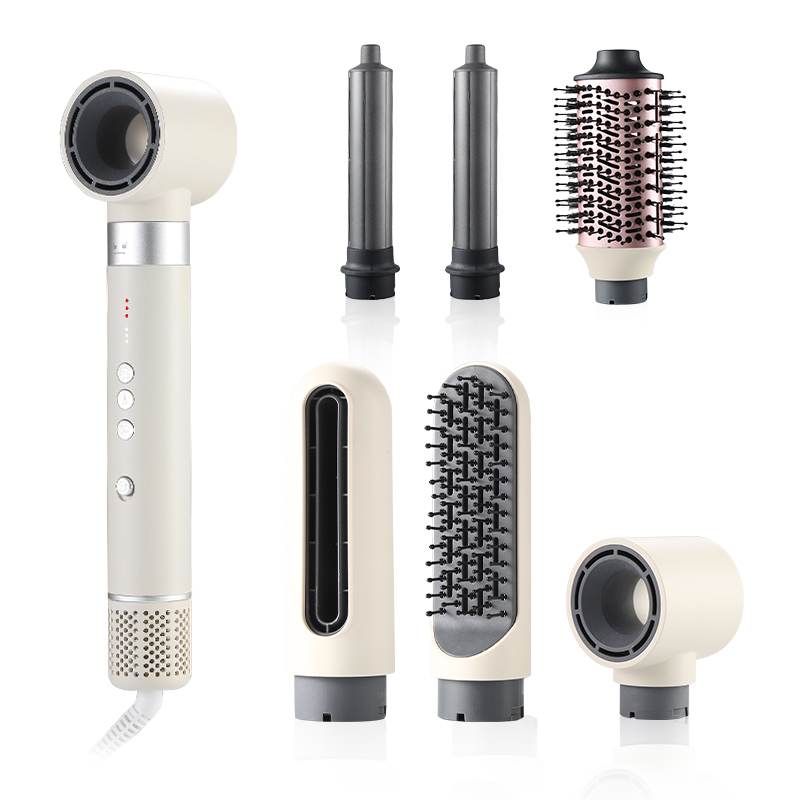 Multi-Head High-Speed Hair Styler with LED DisplayThis versatile styler has a brushless motor, multiple interchangeable heads for drying, curling, straightening, and volumizing, plus an LED display, 200 million ions, and three speed and temperature settings for complete styling control.View Product →
- Interchangeable heads should be marked with clear guidelines for maximum temperature and airflow.
- The base unit should have a smooth surface that does not overheat in the hand.
- The air intake must be protected so hair and dust do not get sucked into the motor.
Automatic Curlers and Advanced Styling Wands
Automatic curling irons and smart curling wands are among the fastest-growing hair styling gadget categories because they remove a key barrier for consumers: the skill required to wrap hair around a barrel. These devices use a motorized mechanism that swirls a strand of hair into the chamber, applies heat from multiple directions, and then releases a curl. The result is more consistent curls, even for users with limited practice.
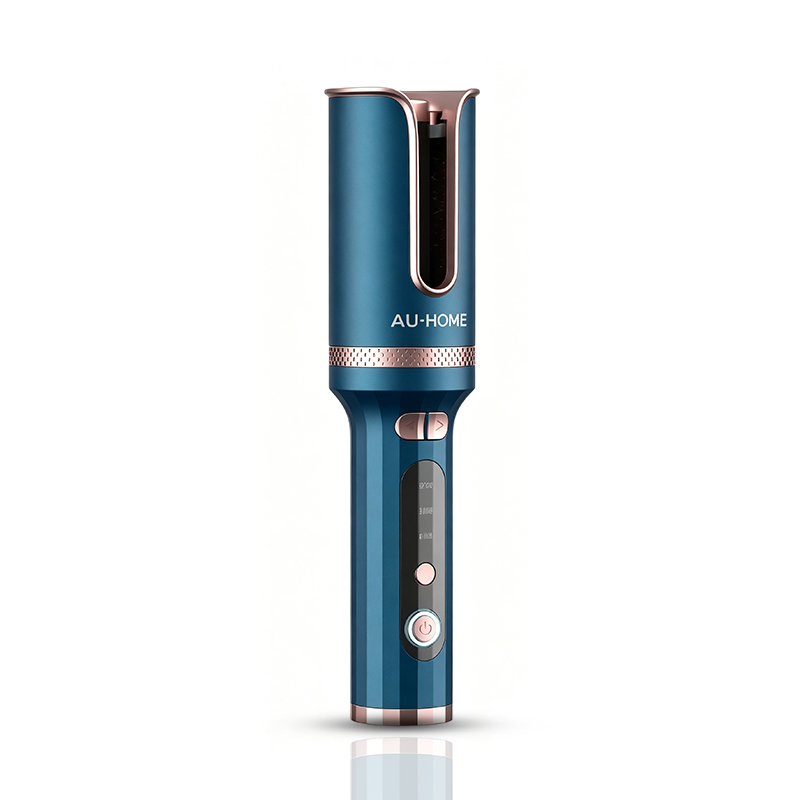
For OEM buyers, the main technical questions are about the safety of the rapid rotation and the battery system in cordless versions. Wireless charging and a replaceable battery pack are important features that increase the product's useful life. A typical 501 wireless charging automatic hair curler should also include a thermal cut-off and a standby time that allows it to be used for multiple styling sessions on one charge. The tension mechanism must be tested over thousands of cycles, because that is where most mechanical failures occur.
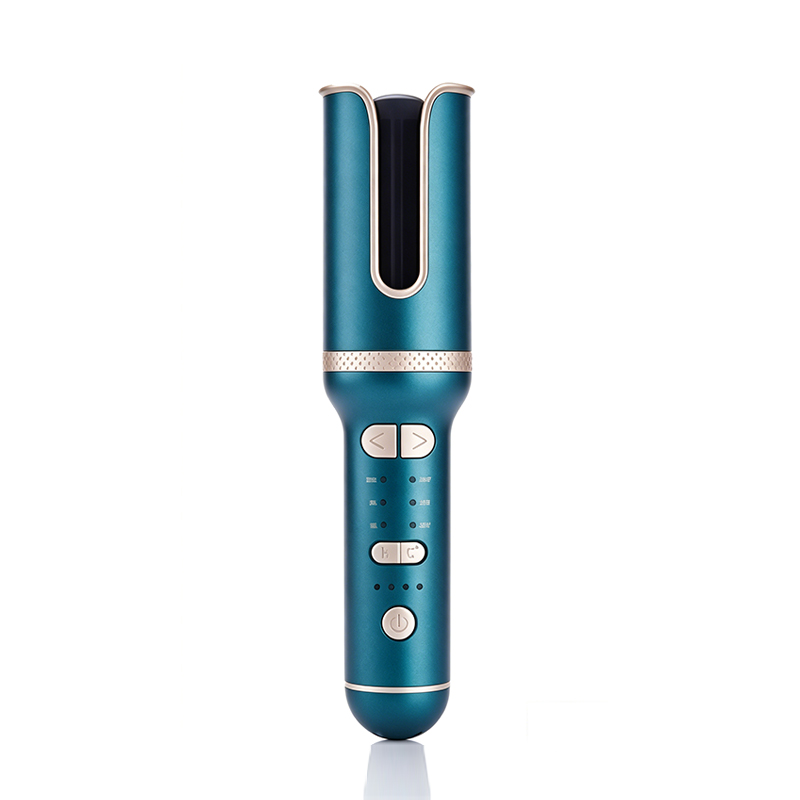 Wireless Charging Automatic Hair Curler with 3 Heat SettingsThis cordless curler uses a 4800mAh battery, offers 160/180/200°C temperatures and 6/8/10s timers, and includes a digital display and auto-shutoff for safe, portable curling anywhere.View Product →
When evaluating such gadgets, demand a clear statement on the maximum operating temperature, the barrel coating material, and the motor's torque rating. These numbers determine whether the styler works on different hair types without snagging or burning.
Critical Specifications to Verify Before Production
A useful way to compare competing suppliers is to set up a simple specification table. The table below shows the key performance parameters that a brand should request from every potential vendor. It is not a complete list, but it captures the differences between a quality product and a typical low-cost imitation.
| Parameter | What Matters | Acceptable Range for Quality Products |
|---|---|---|
| Motor Type | Brushless (BLDC) motors last longer and run quieter than brushed motors. | BLDC preferred; rpm above 100,000 for dryers |
| Temperature Range | Wide range allows use on different hair types and reduces heat damage. | 100–180 °C for general styling tools |
| Temperature Accuracy | Deviation affects hair health and consistent results. | ±10 °C or better |
| Ionic Output | Negative ions help close cuticles and reduce static and frizz. | Ion count in millions per cm³ |
| Noise Level | Comfort during daily use; contributes to perceived quality. | Below 75 dB at high speed |
| Safety Certifications | Certifications prove compliance with market regulations. | CE, GS, ETL, UL, CB depending on target market |
Remember that a specification like "ion technology" does not have any value if there is no measurable output. Ask for the ion count and the way it is generated. Similarly, temperature accuracy is only meaningful if the vendor measures it inside the styling chamber under a load that simulates real hair.
OEM and ODM Manufacturing Capabilities
For a brand that wants to launch a new product line, the factory's manufacturing capability matters as much as the product design. A manufacturer with a mature quality management system can handle everything from prototype to mass production, reducing the risk of delays and field failures. The site under consideration has a clear history. It began with beauty equipment manufacturing in 1996, is now a factory with a lab and a quality system for personal care appliances, and is certified to BSCI and ISO9001 standards. Its products are certified with CE, GS, ETL, UL, and CB, which cover the major markets of the United States, Europe, Japan, and Russia.
Customer references also give an indication of reliability. Working with large domestic brands such as Midea and Bear requires a factory to deliver consistent volumes and meet strict quality deadlines. The available capacity is substantial: the factory already had an annual output capacity of one million units when the current facility was built in 2004. For hair styling gadgets, this scale means that OEM customers can count on established molding, injection, and assembly lines.
When discussing an ODM project, ask about the engineering team's experience with brushless motors and the in-house testing equipment. A complete product lab is not just a marketing line; it is the place where heat, airflow, and noise are measured, where the product is checked for electrical safety, and where the final units undergo pre-shipping inspection.
How to Choose a Hair Styling Gadget Partner
The quickest way to start the evaluation process is to map your product requirements to the supplier's existing product platform. If you need a high-speed hair dryer, ask for the BLDC platform. If you need a multi-styler, confirm that the vendor has already produced an all-in-one unit with interchangeable heads. If the product is a cordless curler, check the charging technology and battery capacity.
Beyond the technical specifications, the partnership should include clear communication about intellectual property, production lead times, and minimum order quantities. A transparent vendor will provide a technology preview, offer samples for drop testing, and allow you to visit the factory. This is the point where choosing the right partner pays off.
For background information on the common pitfalls and technical decisions behind these products, see our complete buying guide for household hair dryers. It covers the practical considerations that apply to all hair styling gadgets, from voltage compatibility to airflow design, and gives a useful ground truth when you compare one vendor's claim with another.
In summary, hair styling gadgets are not made better by simply adding more buttons or more attachments. They are made better by a thoughtful blend of motor performance, thermal management, and quality control. Working with a factory that has deep experience in personal care appliances is the surest way to turn a promising product concept into a durable, consumer-ready gadget.
-
Hair Styling Appliances Manufacturers: A Sourcing Guide for Brands
It takes only one defective shipment to erase a year of brand building. For companies importing hai...
-
Hair Dryer Manufacturers: How to Evaluate OEM and ODM Partners for Your Brand
If two hair dryer manufacturers quote what looks like the same product — an 1800 W dryer with negat...
-
Hair Styling Appliances: Types, Technology, and Choosing a Manufacturing Partner
When you pick up a hair styling appliance, the most important information is often printed in small...
-
Is a Ceramic Air Styler Better for Curling and Hair Care
Hair Styling Knowledge Center How Does a Ceramic Air Styler Curl Hair Without Excessive Heat? A Ai...
-
Household Hair Care Tools Factory: How to Choose the Right OEM & ODM Partner
Two batches of the same hair dryer design. One earns a 4.6-star rating and clean reorder cycles. Th...
-
What is the Difference Between an Ionic and Household Hair Dryer?
Introduction: Decoding the Science of Modern Hair Styling For decades, the humble household hair dry...
- Home Products About Service News Contact
- Personal Care Products Pet Appliances
-
- Email: [email protected] Phone: +86-137 7710 9088 Add: Industrial Park of Henghe Town, Cixi City, Zhejiang Province, China
-
Contact Us Anytime for Exclusive Solutions
