

 English
 Español
 عربى
عربى
Hair Styling Appliances Manufacturers: A Sourcing Guide for Brands
Content
- 1 Why the Right Hair Styling Appliance Manufacturer Matters
- 2 Key Criteria for Evaluating Hair Styling Appliance Manufacturers
- 3 Understanding Key Technologies in Modern Hair Styling Appliances
- 4 OEM vs. ODM: Which Partnership Model Fits Your Brand?
- 5 Red Flags and Due Diligence Tips When Vetting Manufacturers
- 6 Why Ningbo Is a Major Hub for Hair Styling Appliance Manufacturing
- 7 Questions to Ask Before Partnering with a Manufacturer
- 8 Partner with a Factory That Understands Your Brand
It takes only one defective shipment to erase a year of brand building. For companies importing hair dryers, curling wands, or styling brushes, the factory behind the product determines everything from electrical safety and certification speed to defect rates and unit cost. This guide gives product managers, procurement teams, and e-commerce brands a practical framework for evaluating hair styling appliances manufacturers: what to look for in a factory, which technologies are worth paying for, how to weigh OEM versus ODM, and which questions to ask before committing. We run a manufacturing plant in Ningbo with a history in personal care appliances that goes back to 1996, so the perspective here is built from real sourcing conversations, not textbook theory.
Why the Right Hair Styling Appliance Manufacturer Matters
Choose a manufacturer, and you choose your product's safety record, reliability, and market reputation. The consequences of a bad choice show up at different stages, and buyers rarely see them coming.
Electrical safety comes first. A curling iron with a faulty thermal cutoff can cause burns or fires, and a single recall in the North American or European market generates legal exposure and retailer penalties that far exceed any production savings. Product certifications such as ETL, UL, CE, and GS exist precisely to prevent this, but a manufacturer that cannot genuinely certify its own production is a risk before the first unit ships.
Quality consistency is the second issue. Hair styling appliances are made in large batches, and a defect rate that looks acceptable on paper becomes costly when ten thousand units sit in a container. Inconsistent heating, noisy motors, and brittle cords are the complaints that destroy an Amazon listing or a retail relationship.
The final stake is longer-term. A manufacturer with real engineering depth can help you refresh models, add features, and respond to market trends. A partner without engineering depth locks you into a product that ages quickly. Given these stakes, shortlisting factories only by price is the most expensive mistake in the sourcing process.
Key Criteria for Evaluating Hair Styling Appliance Manufacturers
Use the same checklist we apply when our own plant is audited by buyers. Six areas separate serious hair styling appliances manufacturers from traders and low-end workshops.
- Factory qualifications and history. How long has the company manufactured appliances, and does it own its production site? A verifiable plant history, like our own traceable record since 1996, is easier to audit than a brand-new company with no physical address.
- R&D and ODM capability. Count the engineers, not the marketing slides. A factory with its own lab and tooling experience can take a product from idea to mass production, which directly affects your time to market.
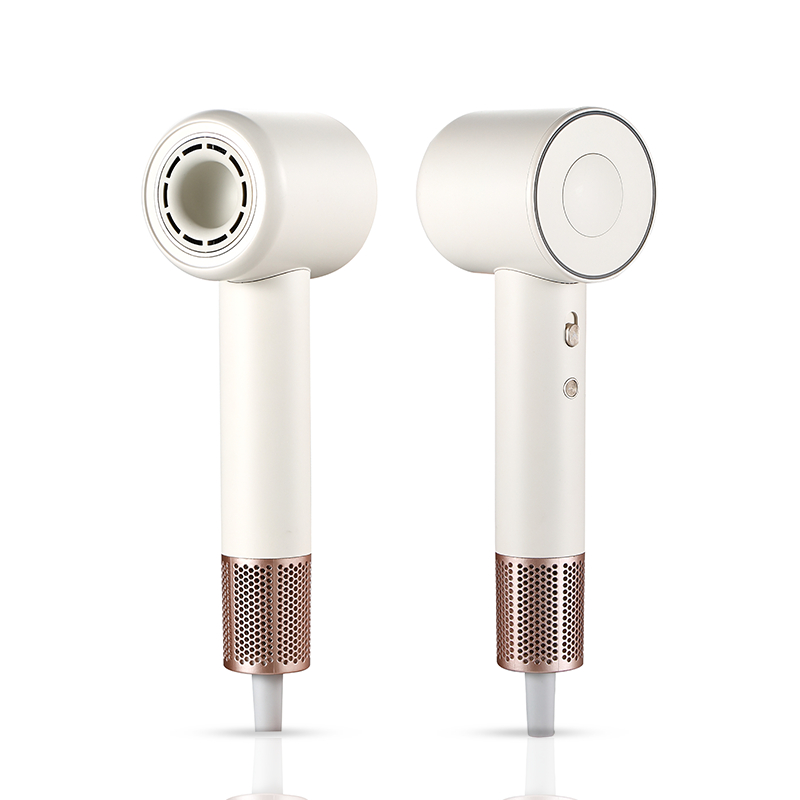
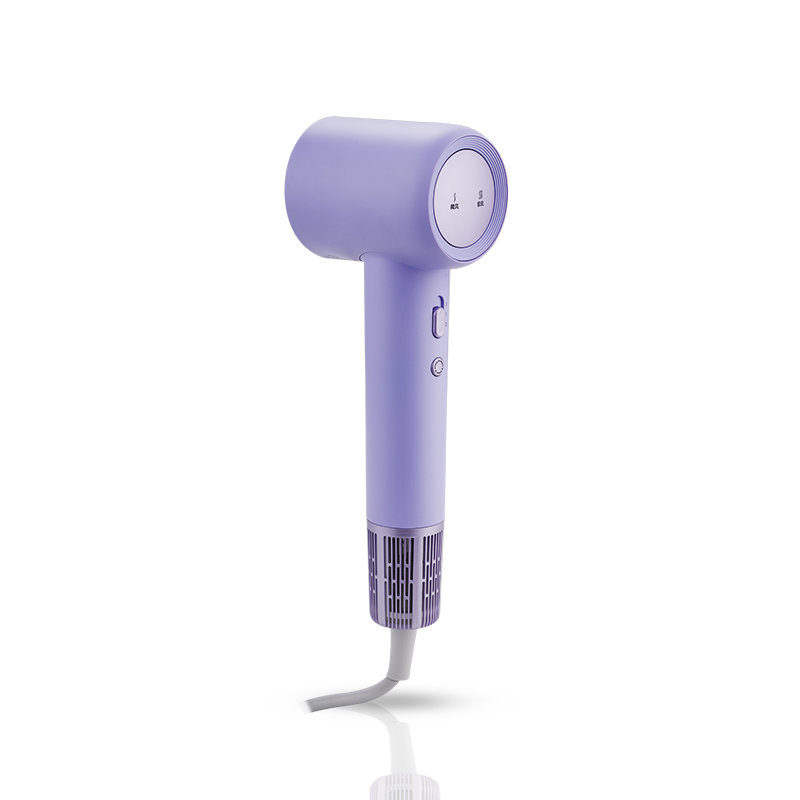
- Product line and technology coverage. Look for breadth that proves real manufacturing skill. Our BLDC high-speed hair dryer series spans multiple models and configurations, and the hair dryer with baby care mode
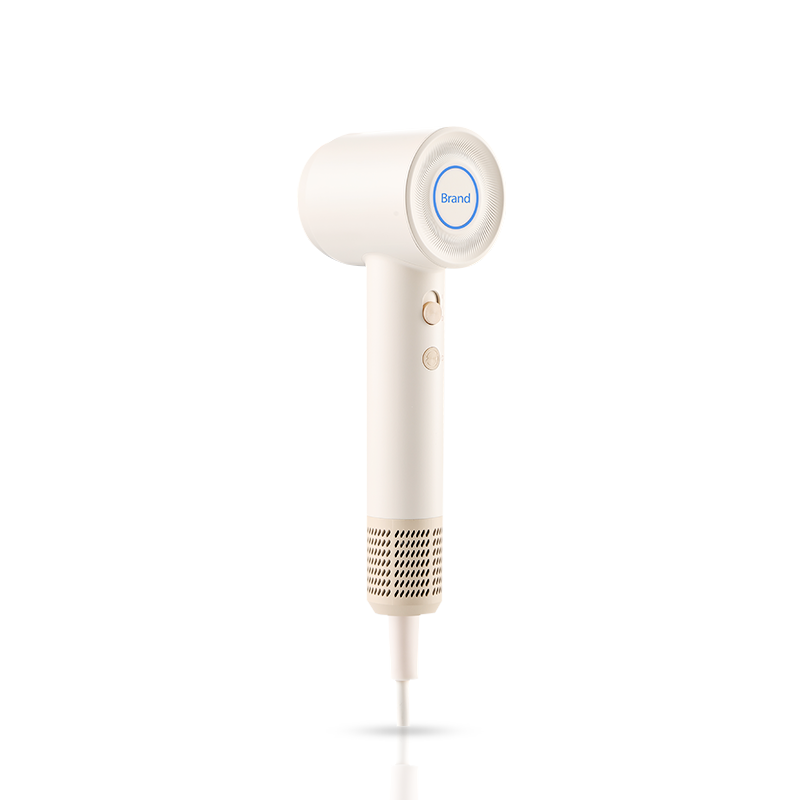 Custom AU709C High-Speed BLDC Hair Dryer with Baby Care Mode Suppliers, Factory Ningbo Prima Electric Appliances Co., Ltd. is China AU709C High-Speed BLDC Hair Dryer with Baby Care Mode Suppliers and Factory, details:...View Product → shows how a factory can address niche user needs rather than only copying generic designs.
 - Quality systems and certifications. ISO 9001 and BSCI cover system-level management and social compliance. For products, require certifications for your target regions: CE and GS for Europe, ETL and UL for North America, and CB for international markets. Always ask for certificate copies.
- Customer structure and market experience. Export experience tells you whether a factory understands regional plugs, voltages, and retailer requirements. Working with brands such as Midea and Bear in China, plus export markets across the U.S., Japan, Europe, and Russia, demonstrates that a manufacturer can serve demanding customers.
- Communication and service capability. A factory that answers technical questions in your language, responds quickly, and manages sample and artwork workflows well is worth more than one that only offers low prices. Miscommunication during production is expensive.
Understanding Key Technologies in Modern Hair Styling Appliances
Technology separates a commodity hair dryer from a premium product, and it separates capable manufacturers from assemblers. Keep these six areas in mind during evaluation.
- BLDC high-speed motors. Brushless motors spin faster, run quieter, and last longer than conventional universal motors. They have become the baseline for premium dryers, so a manufacturer that designs BLDC products internally is likely ahead of one that only assembles conventional heaters.
- Negative ion and ionic care. Ion generators cut static and smooth the hair cuticle, giving brands a feature they can demonstrate. Ask how a factory measures ion output instead of accepting printed claims.
- Smart temperature control. Real-time monitoring of outlet temperature prevents heat damage and keeps styling predictable. Closed-loop control is now expected in professional-grade tools.
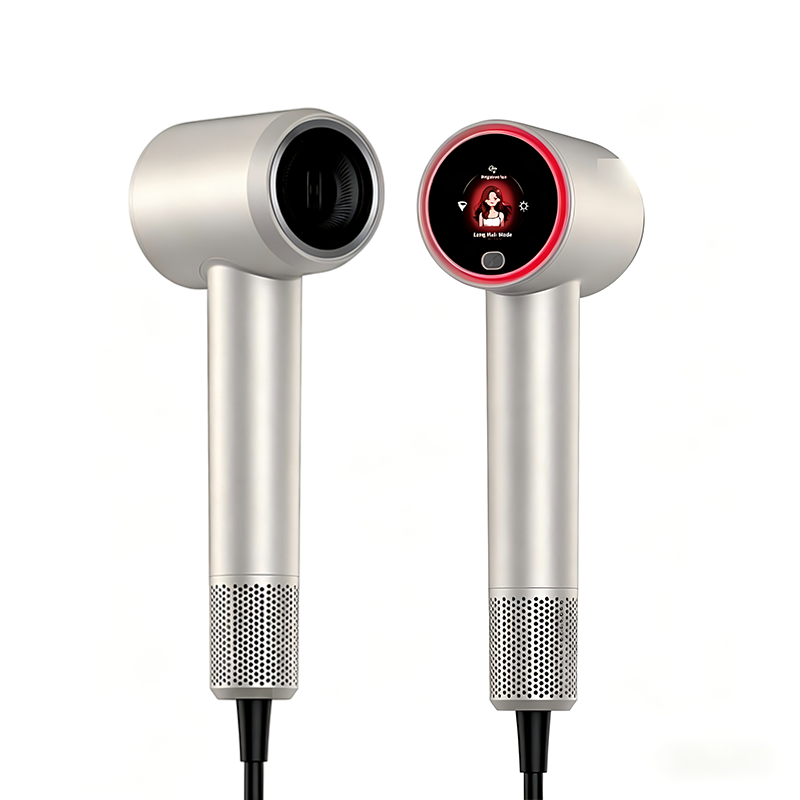
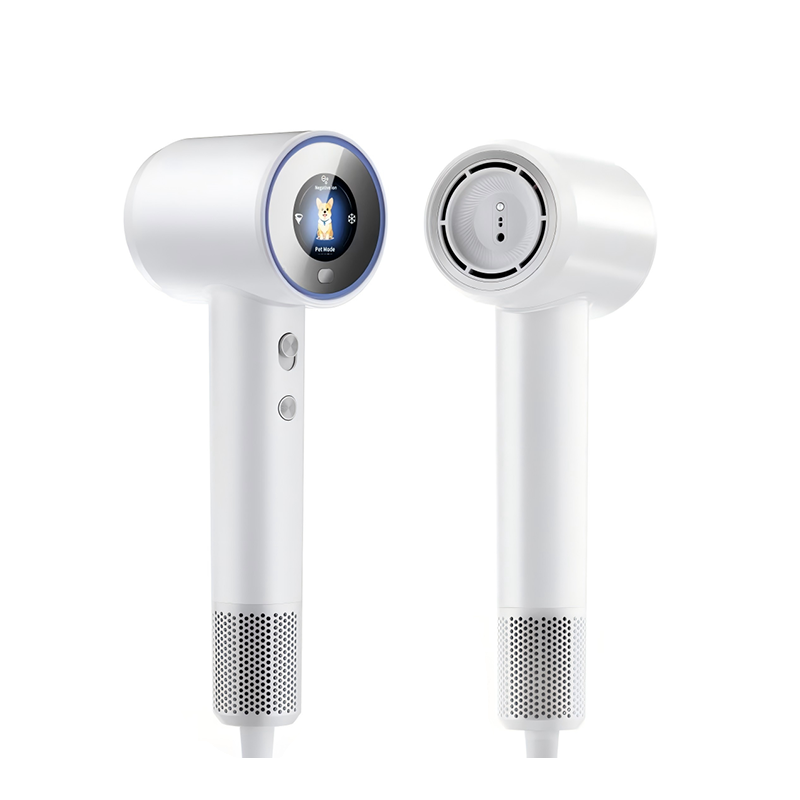
- AI control and dynamic displays. Larger brands are moving toward devices that adjust airflow and heat automatically. Our AI intelligent control hair dryer
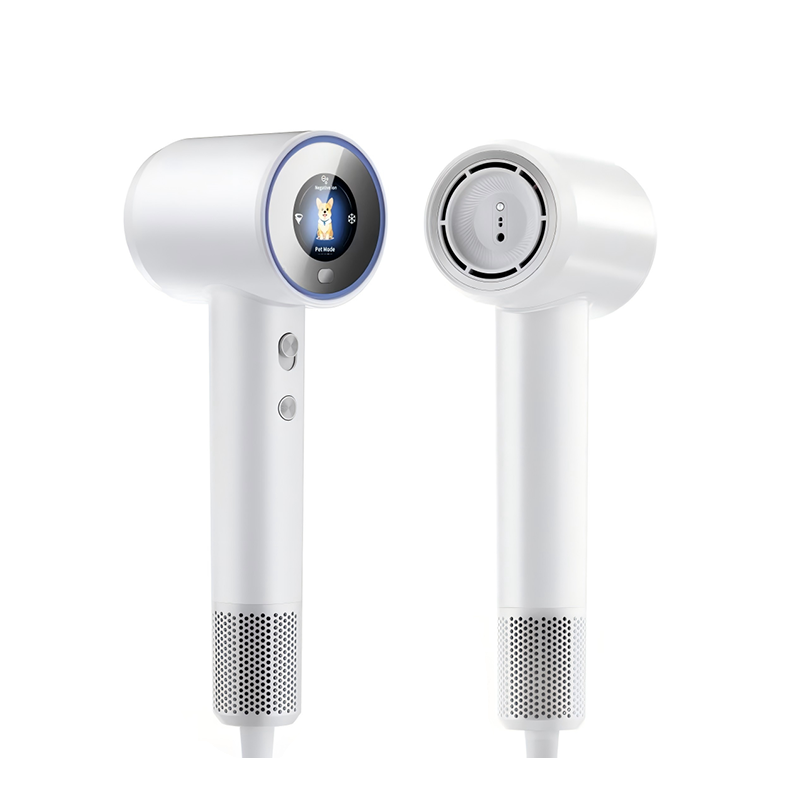 Custom AU770AI AI Intelligent Control Hair Dryer with Dynamic Display Suppliers,Ningbo Prima Electric Appliances Co., Ltd. is China AU770AI AI Intelligent Control Hair Dryer with Dynamic Display Suppliers and Factory,...View Product → with dynamic display is an example of how manufacturers translate this trend into a sellable product rather than a concept.
 - Wireless charging and cordless formats. Travel and convenience drive demand for cordless curlers and compact dryers. A wireless charging automatic hair curler
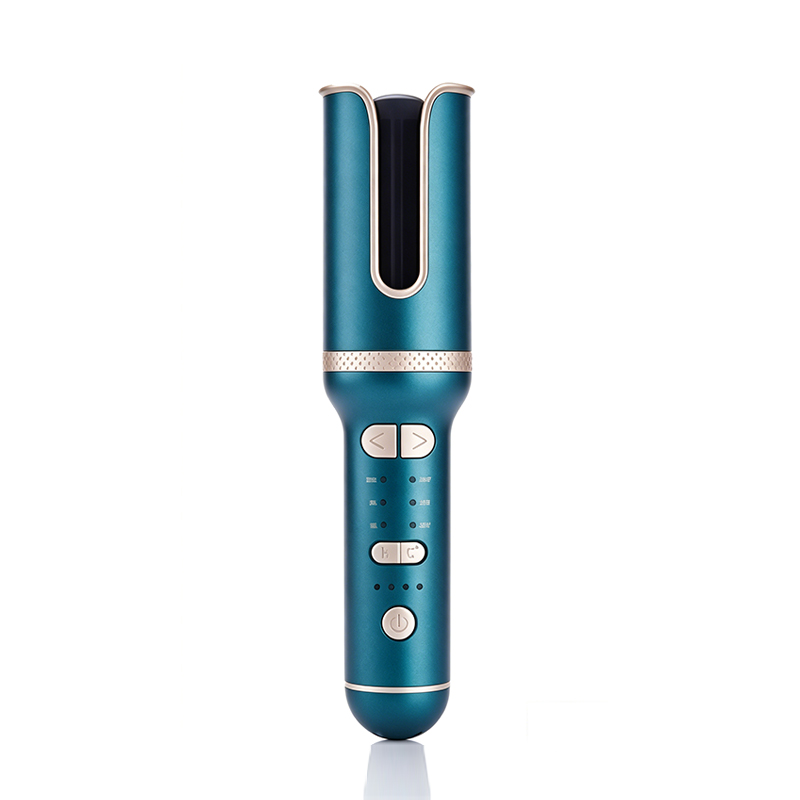 Custom 501 Wireless charging automatic hair curler Suppliers, Factory - Ningbo PNingbo Prima Electric Appliances Co., Ltd. is China 501 Wireless charging automatic hair curler Suppliers and Factory, details:This produ...View Product → requires integrated battery management, charging safety, and thermal control, all of which become visible engineering strengths of a factory.
 - Scenario-specific features. Baby care modes, pet drying attachments, and salon-grade cold-shot functions show whether a manufacturer designs for real users. These details matter because they translate directly into product differentiation.
OEM vs. ODM: Which Partnership Model Fits Your Brand?
Before negotiating, decide how much product development responsibility your team can carry. The two partnership models serve different needs, and many brands deliberately use both.
| Consideration | OEM | ODM |
|---|---|---|
| Product design | Brand provides specifications and drawings | Factory develops the complete product |
| Best suited for | Brands with internal engineering teams | Brands entering the market quickly |
| Development cycle | Dependent on brand input and approvals | Shorter, using the factory's existing platform |
| Cost structure | Usually lower tooling fees after specs are set | Includes the factory's design and development effort |
| IP and tooling ownership | Normally retained by the brand | Negotiated per project; clarify before starting |
There is no universal answer. Brands that start with ODM gain speed and reduce upfront engineering cost; those that graduate to OEM or joint development gain more control over their uniqueness. A factory should be able to support both, depending on your strategy. After that, many brands mix both models at different stages. A factory should support both paths; our OEM and ODM services cover the complete cycle, from tooling discussion to after-sales support.
Red Flags and Due Diligence Tips When Vetting Manufacturers
Vetting protects you from the minority of suppliers that give the industry a bad name. Watch for these warning signs and do the basic checks before ordering anything.
- An address that cannot be visited or verified.
- Refusal to show the production floor on a live video call.
- Certifications described verbally, with no certificate copies or registration numbers.
- Quotations far below the market average for the same specification.
- Vague answers about quality control, materials, or defect handling.
Practical due diligence steps include asking for unedited video or a scheduled video call inside the plant, verifying certificate numbers with the issuing bodies wherever possible, requesting sanitized customer references, ordering pre-production samples to test electrical safety, heat resistance, cord durability, and usability, and confirming that the contract covers acceptance standards, warranty terms, and intellectual property protection. These steps take days, and they prevent months of recovery later.
Why Ningbo Is a Major Hub for Hair Styling Appliance Manufacturing
Ningbo and the surrounding Cixi area form one of China's most concentrated regions for small household and personal care appliance manufacturing. For a buyer, that concentration has practical value.
Component supply is the first advantage. Motors, plastic molds, electronic controls, and packaging are all available within a short radius, which shortens lead times and keeps prototypes within reach. The second advantage is talent: decades of small-appliance production created a workforce of engineers and production managers who understand export requirements for North America and Europe. The third is cost efficiency, achieved through scale and mature supply chains rather than corners cut in materials or safety.
Not every factory in the region is equal, which is why the evaluation criteria above matter. We are one example of the local ecosystem: our factory history goes back to 1996, our plant covers 15,800 square meters of land and 18,000 square meters of buildings, and annual output exceeds one million units. The certifications and export markets we listed earlier are the result of working within that ecosystem, not automatic benefits of being located here.
Questions to Ask Before Partnering with a Manufacturer
Use this list to structure your first conversation with any potential manufacturing partner. The quality of the answers will tell you more than a company brochure.
- Are you a factory or a trading company, and can we schedule a visit or a video audit?
- How large is your R&D team, and can you share examples of products you developed from scratch?
- Which product and system certifications do you hold, and can you provide copies for verification?
- Which export markets do you serve, and what types of brands do you work with?
- What are your minimum order quantities and typical lead times for a new product?
- How do you handle quality claims and warranty support after shipment?
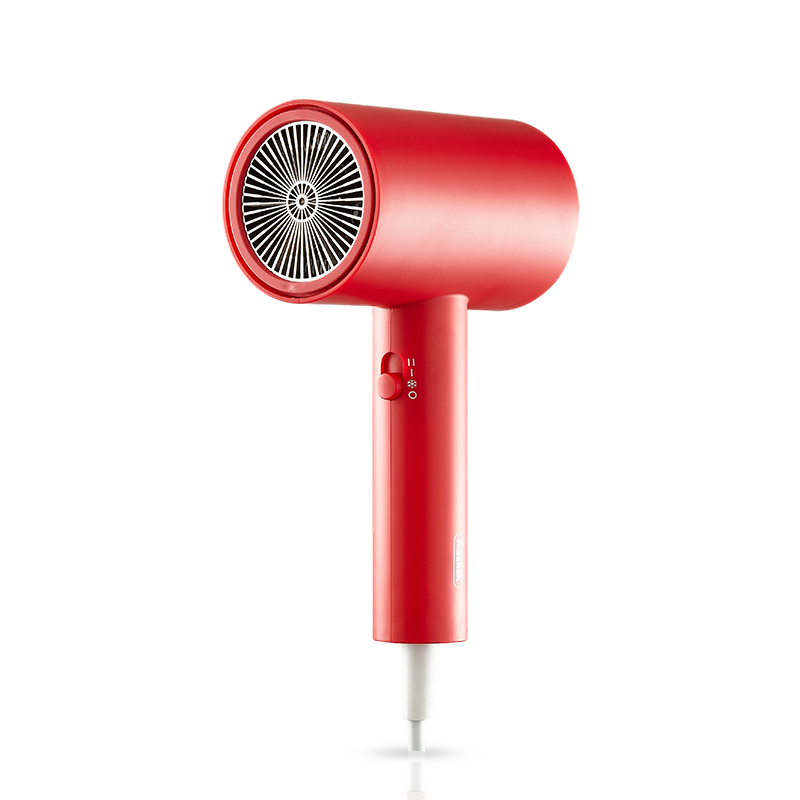
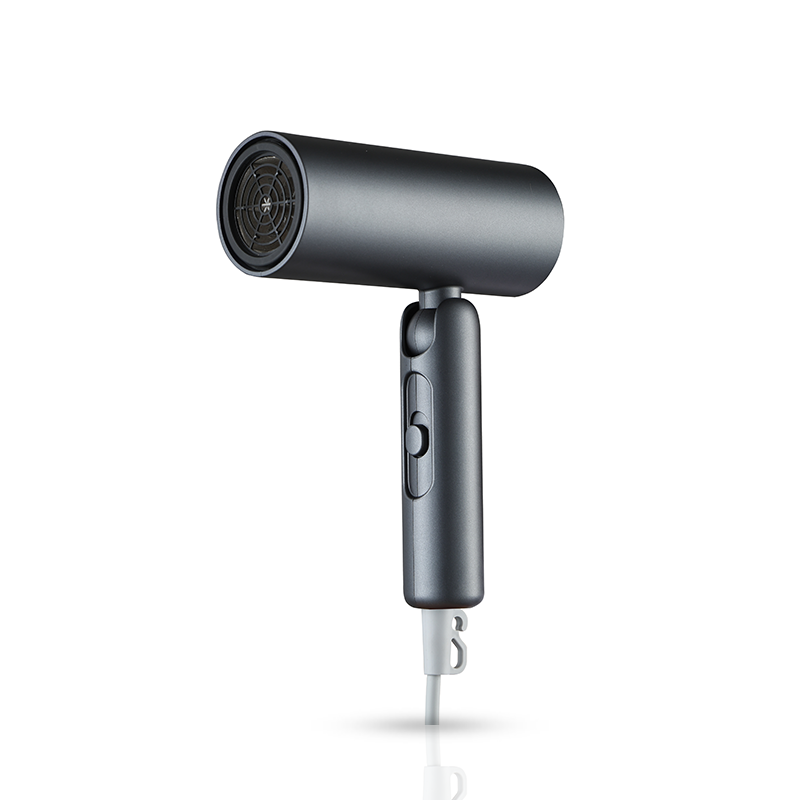
Working through these questions with a real range of products in front of you makes the assessment concrete. Browsing the hair styling appliance product range on our site is a good way to see what a full-line manufacturer presents, and our team can answer the same questions directly when you contact us.
Partner with a Factory That Understands Your Brand
We have manufactured personal care appliances since the 1990s, and we built our plant to serve brands that need a genuine production partner rather than a one-off quote. Our lineup includes the BLDC high-speed dryer series, Air Styler all-in-one tools, cordless automatic curlers, multi-barrel curling wands, and electric shavers. The plant holds CE, GS, ETL, UL, and CB product certifications, supported by ISO 9001 and BSCI system management, and we support both OEM and ODM partnerships for customers in the United States, Japan, Europe, and Russia. Our team works in English, Spanish, and Arabic.
If you are shortlisting hair styling appliances manufacturers for a new product, apply the framework in this article first. Then look at how we present our products and factory, and send us your project brief. The conversation starts with your requirements, not our promises.
-
Hair Styling Gadgets for OEM/ODM Brands: Selection and Manufacturing Guide
When a product manager at a personal care brand sits down to review a new line of hair styling gadg...
-
Hair Styling Appliances: Types, Technology, and Choosing a Manufacturing Partner
When you pick up a hair styling appliance, the most important information is often printed in small...
-
Hair Dryer Manufacturers: How to Evaluate OEM and ODM Partners for Your Brand
If two hair dryer manufacturers quote what looks like the same product — an 1800 W dryer with negat...
-
Choosing the Perfect Household Hair Dryer: A Complete Buying Guide
1. Understand Your Hair Type Different hair types require different heat, speed, and technology wh...
-
Is a Ceramic Air Styler Better for Curling and Hair Care
Hair Styling Knowledge Center How Does a Ceramic Air Styler Curl Hair Without Excessive Heat? A Ai...
-
Personal Care Electrical Products & Appliances: 2025 Buying Guide
What Are Personal Care Products? Understanding the Category The buying decision usually starts with...
- Home Products About Service News Contact
- Personal Care Products Pet Appliances
-
- Email: [email protected] Phone: +86-137 7710 9088 Add: Industrial Park of Henghe Town, Cixi City, Zhejiang Province, China
-
Contact Us Anytime for Exclusive Solutions
