

 English
 Español
 عربى
عربى
Household Hair Care Tools Factory: How to Choose the Right OEM & ODM Partner
Content
- 1 What a Household Hair Care Tools Factory Should Control Beyond Assembly
- 2 Core Product Categories to Benchmark in a Factory
- 3 Engineering Signals That Separate a Mature Factory from a Simple Assembler
- 4 Certifications, Compliance, and the Real Cost of Gaps
- 5 OEM and ODM Capabilities: What a Partnership Should Include
Two batches of the same hair dryer design. One earns a 4.6-star rating and clean reorder cycles. The other triggers a wave of "stopped working after two months" reviews and a costly return label. The difference rarely comes down to the original concept. It comes down to the household hair care tools factory that turned that concept into a producible, compliant product. For any brand owner, importer, or category manager, the factory is not a vendor. It is the largest single variable in product quality, launch timing, and final margin.
The practical conclusion is simple: evaluate a household hair care tools factory the way you would evaluate an engineering partner, not a box mover. That means examining motor technology, temperature control, ion generation, certifications, and the depth of its OEM and ODM capabilities before you negotiate unit pricing.
What a Household Hair Care Tools Factory Should Control Beyond Assembly
Many buyers compare quotations before they compare engineering depth, and that order is usually a mistake. A mature household hair care tools factory controls far more than the assembly line: motor selection, thermal management, ion output, material grade, wire gauge, and the calibration of protective circuits. Each of these determines whether a consumer experiences consistent heat, low noise, and safe operation, or whether returns and complaints gradually erase your profit.
Ask any serious factory how it verifies design parameters. A hair dryer's heating wire tolerance, the temperature accuracy of its thermistor, and the insulation gap between electrical and mechanical parts all have defined limits. A factory with a full product laboratory can show you test records rather than promise generic quality control. And you need a structured way to compare those specifications before requesting samples. A complete household hair dryer buying guide is a practical starting point because it maps wattage, airflow, and heat settings to the consumer experiences they create.
Core Product Categories to Benchmark in a Factory
A household hair care tools factory's range tells you how deep its engineering really goes. A factory that produces only one category is hard to judge because you never see how it transfers knowledge between different device types. A broader portfolio, including dryers, stylers, and curlers, tends to reveal stronger mechanical design, mold-making, and electronics integration skills.
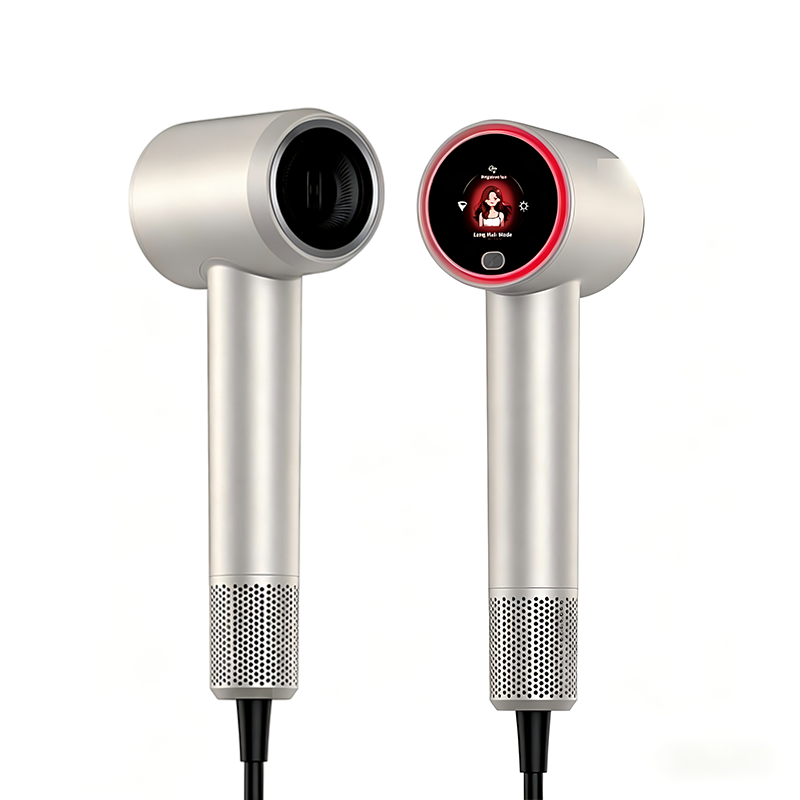
Start with high-speed dryers. A model like the au707a smart LED display BLDC high-speed ionic hair dryer shows whether a factory understands the three things that matter most in this category: brushless motor performance, negative ion generation, and responsive heat control. If a factory can handle these three requirements together, it usually handles simpler dryers comfortably.
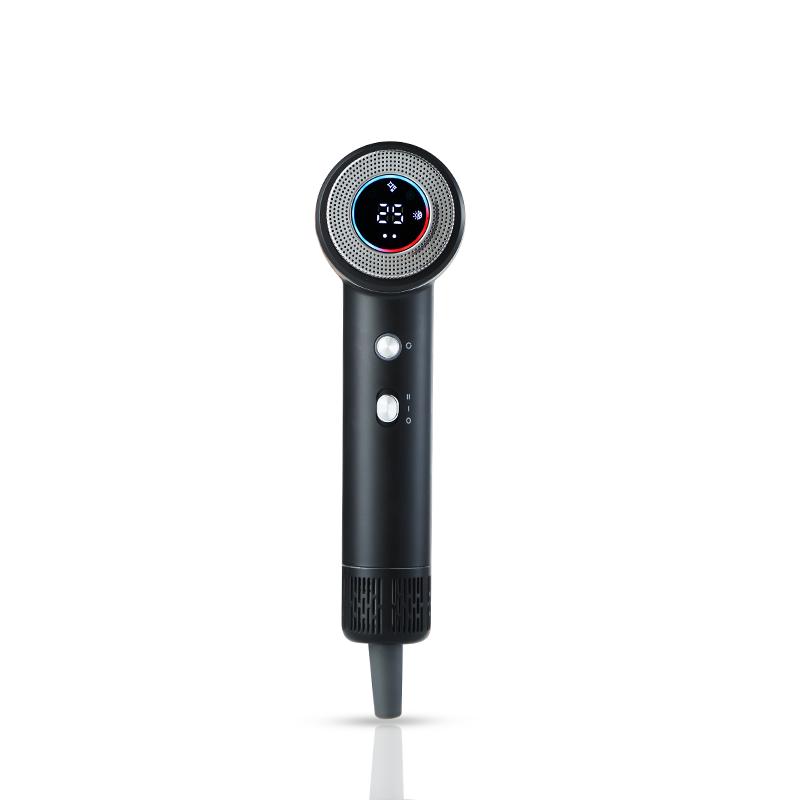 Custom AU707A Smart LED Display BLDC High-Speed Lonic Hair Dryer Suppliers, FactNingbo Prima Electric Appliances Co., Ltd. is China AU707A Smart LED Display BLDC High-Speed Lonic Hair Dryer Suppliers and Factory, deta...View Product →
Next, look at multi-function styling tools. A multi-head design like the 711a multi-head high-speed hair styler is a tougher engineering test, because it asks the factory to coordinate several interchangeable heads while keeping safety and styling performance consistent across all of them.
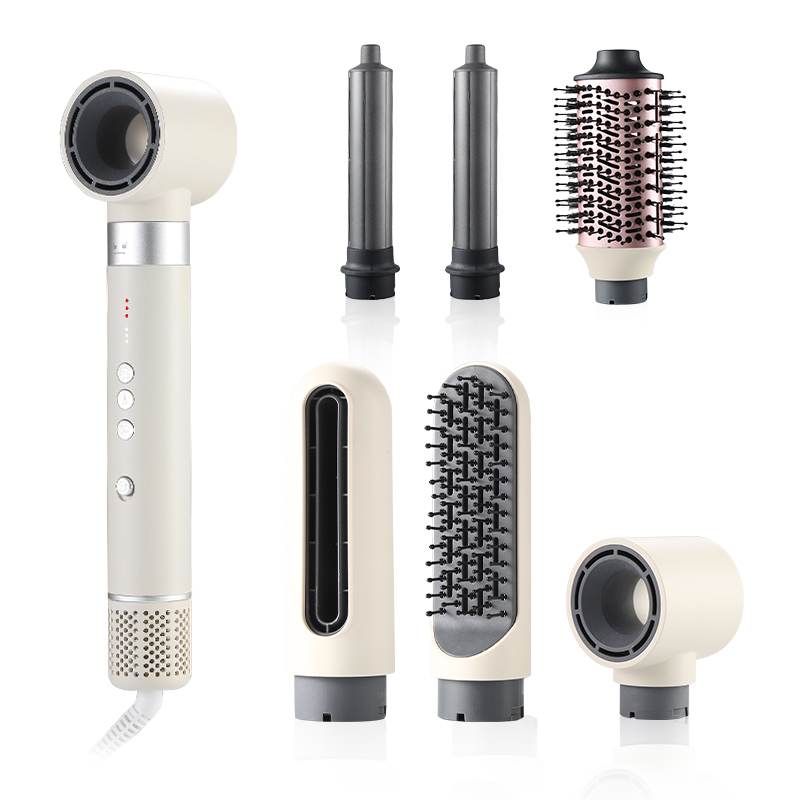 Custom 711A Multi head high speed white hair styler Suppliers, Factory - Ningbo Ningbo Prima Electric Appliances Co., Ltd. is China 711A Multi head high speed white hair styler Suppliers and Factory, details:This prod...View Product →
Finally, check for cordless products. A factory that can produce a 501 wireless charging automatic hair curler has solved both battery management and heat control in one device, which is considerably harder than it sounds. Cordless capability is a practical predictor of whether the factory can execute complex projects on schedule.
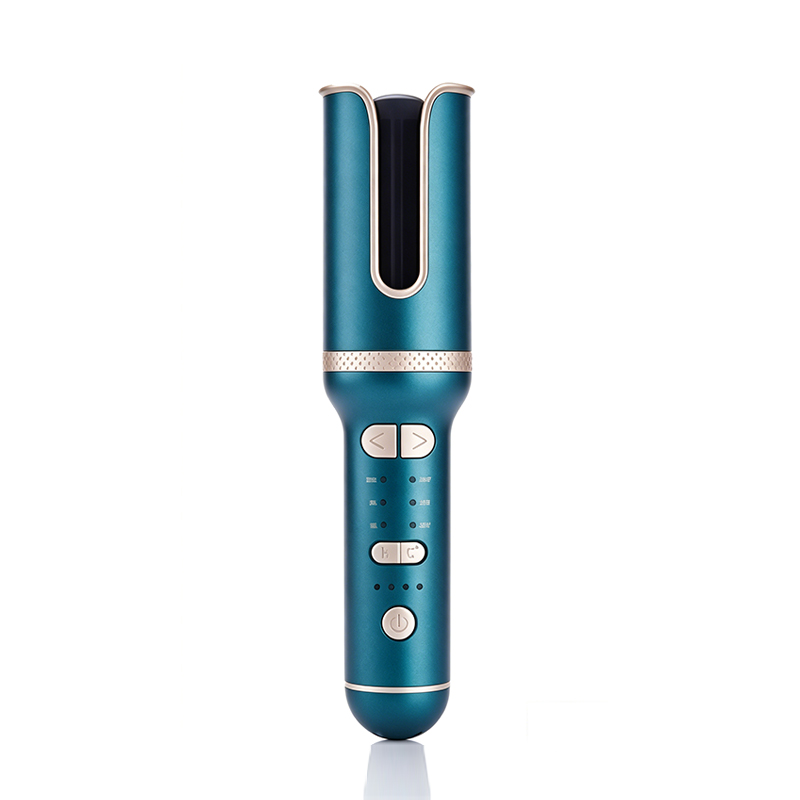 Custom 501 Wireless charging automatic hair curler Suppliers, Factory - Ningbo PNingbo Prima Electric Appliances Co., Ltd. is China 501 Wireless charging automatic hair curler Suppliers and Factory, details:This produ...View Product →
Engineering Signals That Separate a Mature Factory from a Simple Assembler
The single most useful signal in household hair care tools is the motor. Brushless DC motors have redefined what consumers expect from a hair dryer: high airflow at lower noise, longer service life, and precise speed control. Traditional DC motors remain relevant for budget programs, but the engineering effort behind each is very different.
| Parameter | BLDC High-Speed Dryer | DC Traditional Dryer |
|---|---|---|
| Motor type | Brushless DC motor | Brushed DC motor |
| Typical motor speed | Around 100,000 rpm or higher | Generally below 30,000 rpm |
| Heat control | Smart thermistor-based temperature sensing | Basic mechanical heat steps |
| Ion feature | Negative ion generator is common | Available on selected models |
| Consumer experience | Fast drying, low noise, precise heat | Familiar performance at a lower price |
| OEM engineering effort | Higher: firmware, motor control, safety | Lower: mature and simple assembly |
Ionic technology deserves specific attention because it is easy to claim and hard to verify. Before you put negative ion language on your packaging, understand the difference between an ionic and a regular household hair dryer. A dependable factory will tell you how the ion generator is driven, what ion density the design targets, and how the output is tested.
Temperature control is the next gate. High-speed dryers should respond to heat changes within fractions of a second, not after several seconds. Some designs add special modes; a baby care mode, for instance, limits heat output to a safer level for children's hair. These details sound small, but they determine whether your product feels premium or cheap in daily use.
Voltage compatibility matters more than most buyers expect. A dual-voltage foldable dryer widens your market instantly, while a single-voltage unit can create costly returns when it reaches a country with a different standard. Ask the factory how it handles voltage configuration across the regions you plan to enter.
Certifications, Compliance, and the Real Cost of Gaps
Product certificates are not decoration on a factory page; they are the license to sell. CE, GS, ETL, UL, and CB cover product-level safety and performance for North America, Europe, and other key markets. BSCI and ISO9001 speak to factory-level social audits and quality management. A household hair care tools factory that already holds these can shorten your time-to-market by months.
Before negotiating price, verify the compliance foundation. Check certificate validity, the exact product scope, and whether the factory updates certifications when a model changes. A reliable first step is to review its documented production facilities and certification records; a factory that presents these openly is usually easier to audit in person.
The cost of a compliance gap rarely appears on the profit-and-loss statement until it becomes a customs hold, a retailer delisting, or a product liability claim. For household hair care tools, where heat, electricity, and air movement combine, certification scope matters as much as certification presence.
OEM and ODM Capabilities: What a Partnership Should Include
A factory can produce one excellent sample and still fail as a partner. The difference is process. Evaluate how the factory handles each stage: concept review, tooling and mold development, prototyping, pilot production, and mass production with consistent tolerances.
For ODM projects, the factory should contribute its own engineering judgement. If your brief calls for a foldable travel dryer, the factory should point out the trade-offs between motor size, airflow, and dual-voltage support before you commit to a design. For OEM work, it needs disciplined manufacturing and packaging customization: color options, logo application, box design, and export documentation.
Communication structure matters as much as technical detail. Identify a single engineering contact, clarify how sample revisions are handled, and agree on defect rate targets before mass production begins. A factory that proposes specific acceptance criteria has usually been through this process many times before.
The real decision is rarely between a good factory and a bad one on paper. It is between a factory that treats your project as a product problem to solve and one that treats it as a purchase order to fill. When you evaluate a household hair care tools factory, look for evidence: test records, certificate scope, motor and ion technology choices, and the way the factory talks about tolerances and acceptance criteria.
Compare specifications before prices. Verify certifications before samples. Audit process before volume. A few weeks spent on factory evaluation is cheap insurance against many months of downstream quality problems.
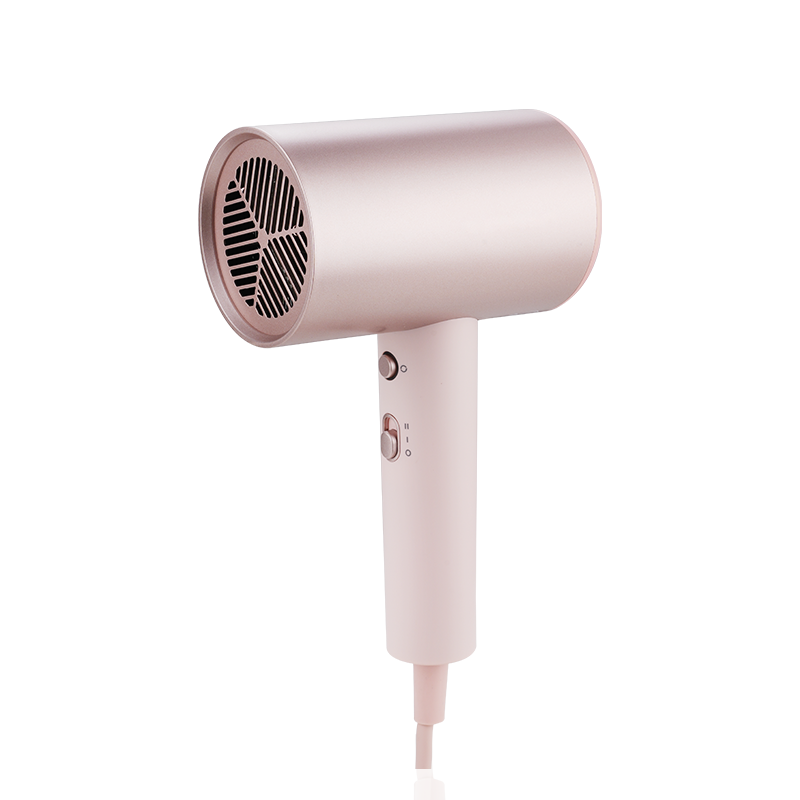
- 701A 1800W Negative Ion One-touch Cold Wind Hair Dryer
- 701D 1800W Negative Ion One-touch Cold Wind Hair Dryer
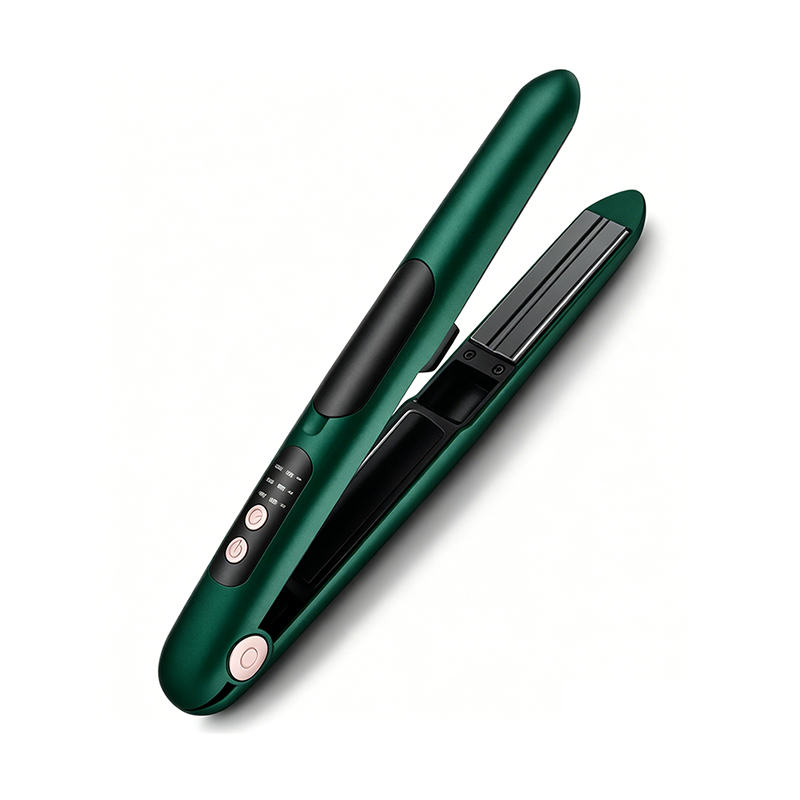
- 601 Smart Automatic Spray Hair Straightener
- AU709C High-Speed BLDC Hair Dryer with Baby Care Mode
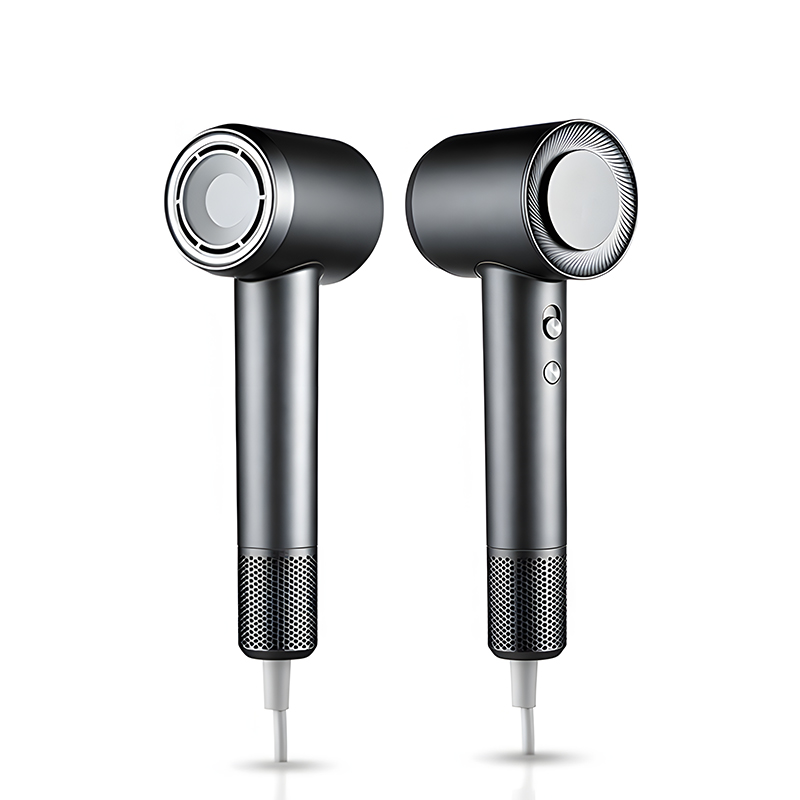
- AU770 Professional High-Speed Hair Dryer with Hair Care
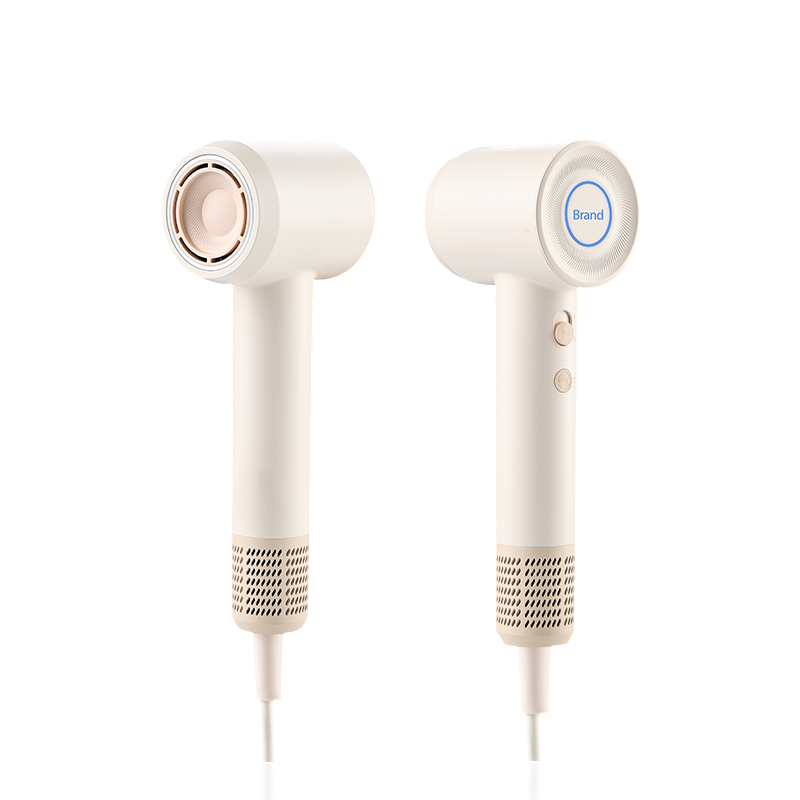
- AU770I AI Champagne Gold Hair Care Hair Dryer
-
Hair Dryer Manufacturers: How to Evaluate OEM and ODM Partners for Your Brand
If two hair dryer manufacturers quote what looks like the same product — an 1800 W dryer with negat...
-
Hair Styling Gadgets for OEM/ODM Brands: Selection and Manufacturing Guide
When a product manager at a personal care brand sits down to review a new line of hair styling gadg...
-
What is the Difference Between an Ionic and Household Hair Dryer?
Introduction: Decoding the Science of Modern Hair Styling For decades, the humble household hair dry...
-
Choosing the Perfect Household Hair Dryer: A Complete Buying Guide
1. Understand Your Hair Type Different hair types require different heat, speed, and technology wh...
-
How Hot Does a Hair Dryer Get and Can You Take It on a Plane
Personal Care Appliance Guide How Does a Hair Dryer Work, and What Should Users Know Before Choosi...
-
Hair Styling Appliances: Types, Technology, and Choosing a Manufacturing Partner
When you pick up a hair styling appliance, the most important information is often printed in small...
- Home Products About Service News Contact
- Personal Care Products Pet Appliances
-
- Email: [email protected] Phone: +86-137 7710 9088 Add: Industrial Park of Henghe Town, Cixi City, Zhejiang Province, China
-
Contact Us Anytime for Exclusive Solutions
