

 English
 Español
 عربى
عربى
Personal Care Electrical Products & Appliances: 2025 Buying Guide
Content
- 1 What Are Personal Care Products? Understanding the Category
- 2 The Core Categories of Personal Care Electrical Appliances
- 3 Key Technologies to Look for in 2025
- 4 Safety Certifications and Quality Standards: What Buyers Must Check
- 5 Personal Care Electrical Buying Checklist: 7 Things to Consider Before Purchase
- 6 2025 Trends in Personal Care Electrical: What's Next?
- 7 Conclusion
What Are Personal Care Products? Understanding the Category
The buying decision usually starts with a specific problem: hair that takes too long to dry, curls that fall flat by lunch, or a shaver that leaves the skin irritated. Behind each problem sits a broad product universe. Personal care products include consumables such as moisturizers, toothpaste, and cleansers, and they include electrical appliances that use motors, heat, airflow, or moving blades to dry, style, groom, and care for the body. Within that universe, personal care electrical appliances are the segment that receives the most research before a purchase.
Public market data puts the global personal care small appliance market at roughly USD 38.4 billion in 2023, driven by steady demand in North America and Europe and rising middle-class spending in Asia. Those numbers explain why retailers keep expanding their electrical assortment and why manufacturers continue investing in new motor and heat technologies.
This guide focuses on the powered side of personal care products. The core electrical categories covered here are:
- High-speed BLDC and conventional DC hair dryers
- Curling wands, straighteners, and automatic curlers
- Electric shavers in rotary and foil designs
- Air stylers and multi-purpose styling tools
The Core Categories of Personal Care Electrical Appliances
Each category exists to solve a different problem, so the first step is matching the device to the way it will actually be used.
Hair Dryers: From Basic Drying to High-Speed Styling
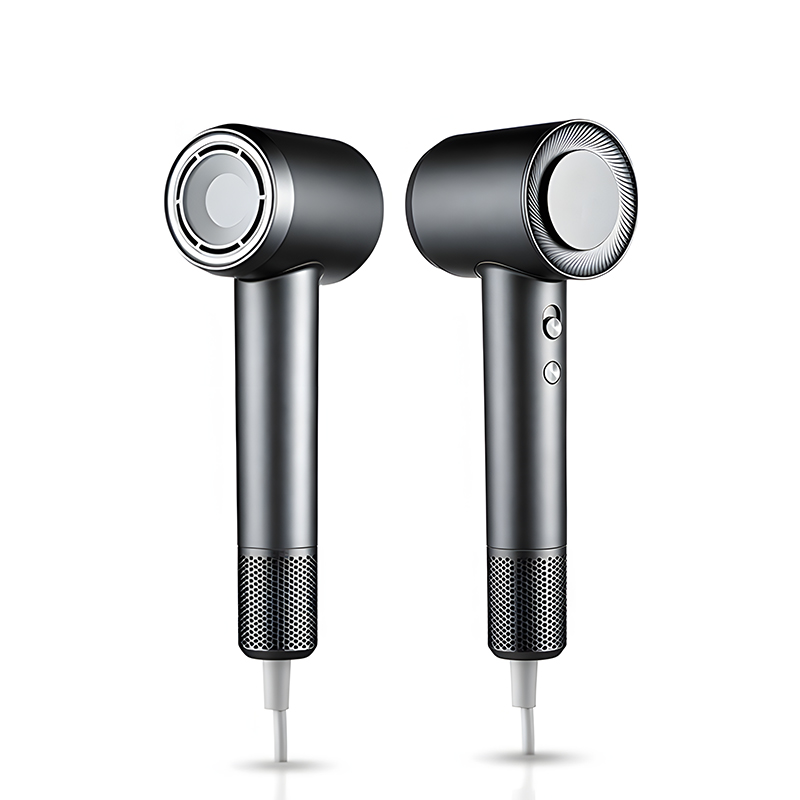
The hair dryer is the largest category and the one with the clearest technology divide. A conventional DC dryer uses a brushed motor, produces moderate airflow, and carries the lowest price. A high-speed BLDC (brushless DC) dryer spins its motor much faster, forcing more air through a smaller nozzle. That shortens drying time and reduces the heat needed to reach the same result. The user feels the difference immediately: a lighter body, quieter operation, and less heat on the scalp.
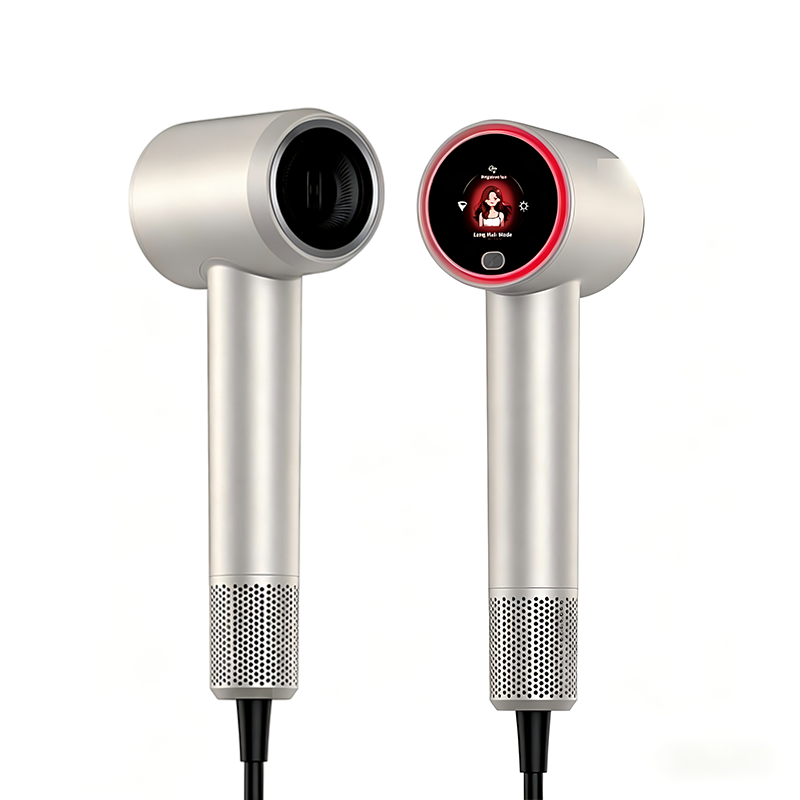
The premium on high-speed models is easy to justify for daily use, for long or thick hair, and for anyone who styles with high heat. An intelligent high-speed BLDC hair dryer combines the brushless motor with precise temperature control, which illustrates how far the category has moved beyond simple hot air. When portability matters, a portable high-speed hair dryer compresses the body and travel footprint without sacrificing the airflow that makes the motor class worthwhile.
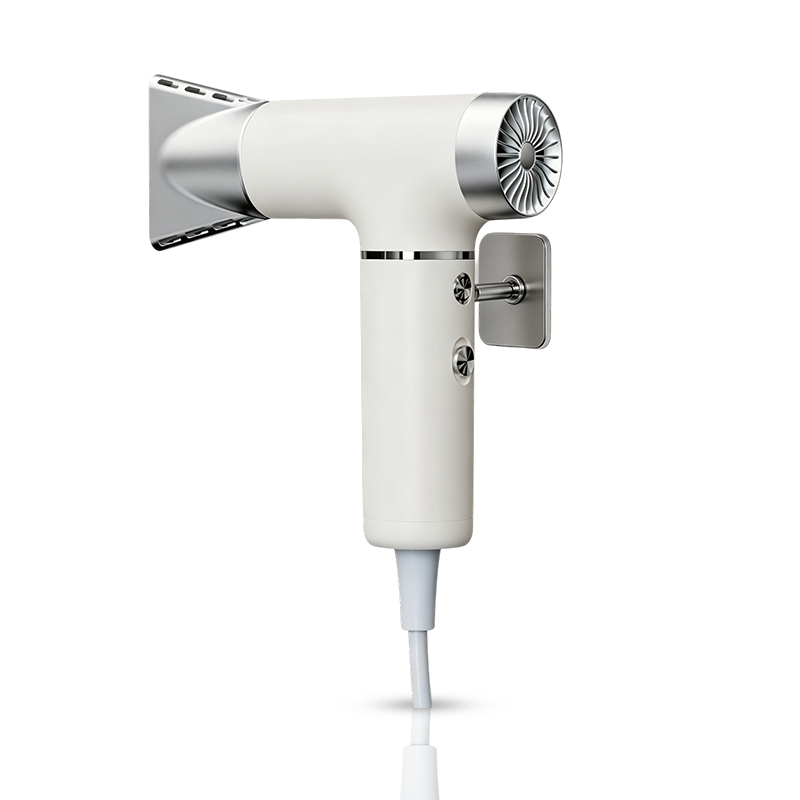 Custom AU750 Portable High-Speed Hair Dryer Suppliers, Factory - Ningbo Prima ElNingbo Prima Electric Appliances Co., Ltd. is China AU750 Portable High-Speed Hair Dryer Suppliers and Factory, details:The AU750 is desi...View Product →
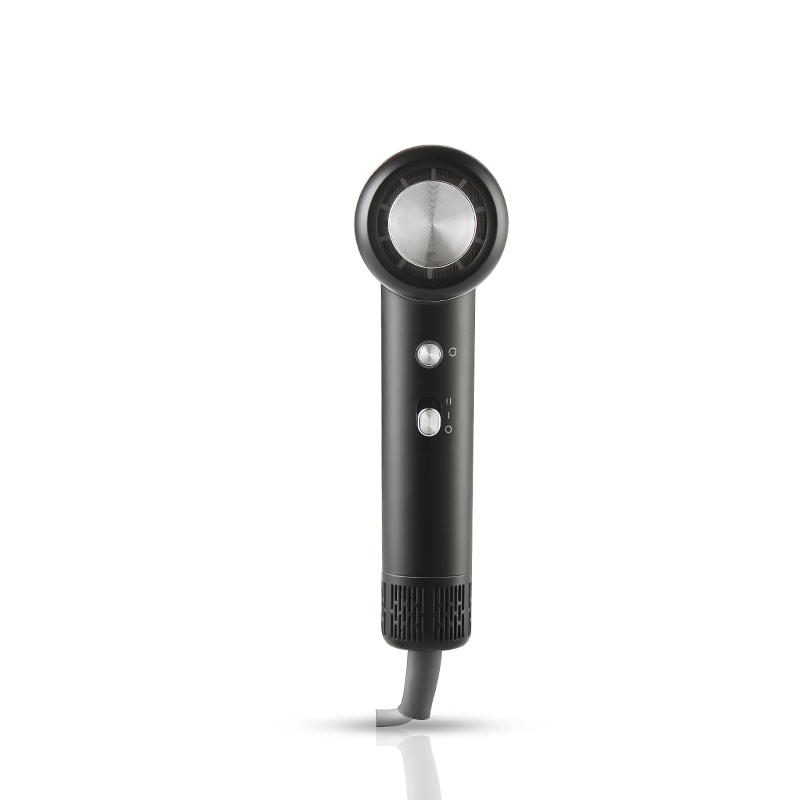 Custom AU707 Intelligent High-Speed BLDC Hair Dryer Suppliers, Factory - Ningbo Ningbo Prima Electric Appliances Co., Ltd. is China AU707 Intelligent High-Speed BLDC Hair Dryer Suppliers and Factory, details:The AU707...View Product →
Hair Curlers and Straighteners: Heat Styling Essentials
Curling tools have a different problem to solve: consistency. Traditional wands demand practice, while automatic curlers wrap the strand and release it at a set temperature and time. The bigger recent shift is cordless operation. A wireless charging automatic hair curler removes the main limitation of heat styling, the cord, so it works at a vanity, in a hotel, or during a commute. After use it can be stored safely without any cable management. Straighteners raise a simpler issue of plate material and temperature range, although a cordless format matters more than an extra heat level for users who style on the move.
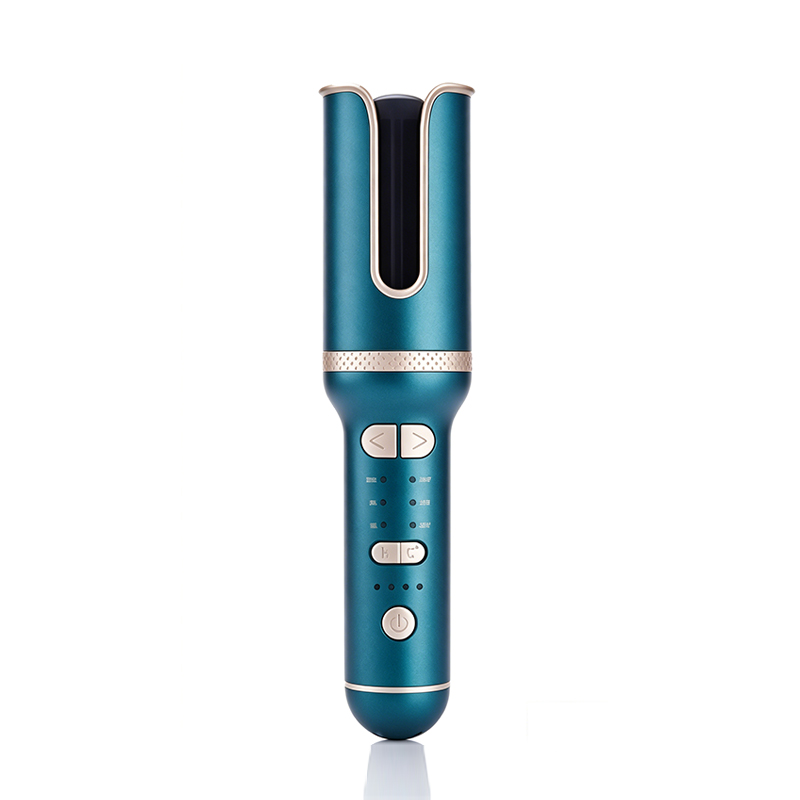 Custom 501 Wireless charging automatic hair curler Suppliers, Factory - Ningbo PNingbo Prima Electric Appliances Co., Ltd. is China 501 Wireless charging automatic hair curler Suppliers and Factory, details:This produ...View Product →
Electric Shavers: Rotary vs. Foil
Electric shavers split into two mechanical philosophies. Rotary shavers use circular heads that track the contours of the neck and jawline; they suit thick, dense, or irregular hair growth and tolerate a skip of a few days between shaves. Foil shavers use a thin perforated foil over oscillating blades; they cut closer on fine or light beards and glide comfortably on sensitive skin that needs daily maintenance. The correct choice is the one that matches beard density, skin sensitivity, and shaving frequency, in that order.
Air Stylers and Multi-Purpose Tools: The All-in-One Trend
Multi-purpose tools consolidate several single-function devices into one body and one motor. A high-speed air styler with interchangeable concentrator, round brush, and diffuser attachments can replace a dryer, a brush, and a styler, shrinking both cost and countertop clutter. A dedicated tool will always do its one job slightly better, but for most households the convenience of one motor, one cord, and one cleaning routine wins the trade-off.
Key Technologies to Look for in 2025
Across every category, the same five technologies decide whether a personal care electrical appliance performs well or disappoints.
BLDC Motors vs. Traditional DC Motors
The motor is the heart of any air-moving or heat-styling device. BLDC motors are more efficient, spin faster, last longer because they have no brushes to wear out, and allow smaller, lighter industrial designs. DC motors cost less, are simpler to service, and remain adequate for light and occasional use.
| Criterion | BLDC brushless | DC brushed |
|---|---|---|
| Airflow | Higher, from faster rotation | Moderate |
| Lifespan | Longer, no brushes to wear | Shorter; brushes wear |
| Noise | Quieter | Louder |
| Body size | Compact and light | Bulkier |
| Price point | Premium | Budget-friendly |
Choose a BLDC model for daily use, thick hair, or heavy reliance on styling. Choose a DC model when the budget is tight and the device will only appear occasionally. The motor specification is the most honest performance indicator on a data sheet.
Ionic Technology: Does Negative Ions Really Reduce Frizz?
Ionic generators release negatively charged particles that neutralize the positive static charge that forms on hair during warm-air drying. Static is what makes strands fly away and tangle quickly; reducing it allows the hair cuticle to lie flatter and keeps moisture closer to the shaft. The effect is real but modest, which is exactly why it has evolved from a premium feature into a mainstream expectation on mid-range and premium dryers and styling tools.
Smart Temperature Control and AI Features: Real Value or Hype?
Constant-temperature monitoring protects hair from heat spikes, and that matters for chemically treated, fine, or aging hair. Baby care modes and LED temperature displays make that protection visible instead of abstract. AI functions add a convenience layer: they adjust heat and airflow to the styling stage or recall a preferred setting. They cannot fix a weak motor, but on a device that already has a solid motor and ionic system, smart control makes the experience measurably more comfortable.
Safety Certifications and Quality Standards: What Buyers Must Check
Personal care electrical appliances touch skin and hair at close range and are powered by mains voltage or high-capacity batteries, so certification must come before feature comparison.
- CE: the compliance basis for selling in the European market.
- UL or ETL: the accepted safety marks for North American retail and distribution channels.
- GS: a German-market safety certification that includes strict factory inspection.
- CB: an internationally recognized certificate that reduces duplicate testing when one model is sold in several markets.
- ISO 9001 and BSCI: quality management and social compliance system standards that describe how the factory runs, not just how the product performs.
For a consumer, these marks act as a shortcut: if the device carries the relevant certification, independent third parties have already checked its basic electrical safety. For a buyer, they act as a supply-chain filter, because a missing mark can stop customs clearance, block retail placement, and expose a brand to liability.
Certification also says something about manufacturing maturity. Ningbo Prima, the OEM/ODM manufacturer behind the product lines referenced throughout this guide, publicly reported producing more than one million units in 2004 and passing CNY 100 million in annual sales by 2007. According to the company's own positioning, its personal care electrical program ranks in the front tier of the category, and it lists Midea, Bear, and Netherlands-based Princess among its publicly disclosed collaborators. For a buyer, the practical starting point is to review the product lines of a personal care products manufacturer that already operates inside this compliance framework.
Personal Care Electrical Buying Checklist: 7 Things to Consider Before Purchase
The seven points below compress what this guide covered into a workable filter for consumers and procurement teams.
- Match the category to the real need. A dryer solves drying speed, a styler solves styling consistency, a shaver solves comfort; buy for the habit, not the trend.
- Check the motor type first. BLDC covers daily and heavy use; DC covers occasional and light use. Motor choice predicts most of the performance and price.
- Verify hair-protection functions. Negative ions and constant-temperature control matter more when hair is styled often or chemically treated.
- Confirm portability. Cordless power, foldable bodies, and dual voltage are decisive for travel and small bathrooms.
- Check safety certification for the destination market. CE for Europe, UL or ETL for North America, CB for multi-market distribution.
- On the supply side, audit the manufacturer. OEM/ODM experience, ISO 9001, BSCI, and disclosed client references reduce sourcing risk.
- Spend in the same order. Motor first, protection second, smart features last, and only if they will actually be used.
2025 Trends in Personal Care Electrical: What's Next?
Three directions are visible in current product planning across the sector.
Intelligence is moving down from flagship models. AI-adjusted heat, dynamic LED displays, and dedicated baby care modes are appearing in mid-priced devices, which turns precise temperature control into a baseline expectation. Portability is the second trend: wireless charging, folding handles, and dual-voltage circuits convert styling tools into travel companions. Multi-function integration is third, with all-in-one air stylers condensing a full styling kit into a single device.
An adjacent trend with strong commercial logic is the extension of personal care platforms into pet grooming. The same motor, airflow, and temperature-control engineering that dries human hair transfers directly to pet dryers and drying boxes, which is why this subcategory now exists as a mature line for several manufacturers. For the brand side, it is a second revenue stream with the same engineering investment.
For consumers, the practical message is that a BLDC motor, an ionic system, and a rechargeable format are the features with the longest useful life, and buying those three keeps an appliance current for years.
Conclusion
To summarize the decision logic: match the device to the need, let motor quality set the performance floor, treat protective features as real value, and never compromise on certification. Budget decides how much of the premium package is affordable, but the order of priorities stays the same for a consumer choosing a first dryer and a brand buyer building a new product line.
Consumers can run the seven-point checklist above to narrow the selection quickly. Buyers should review the supplier's certifications, category breadth, and disclosed track record before sending a request. In both cases, the right choice is the one that survives honest scrutiny of the motor, the protection system, and the relevant safety marks.
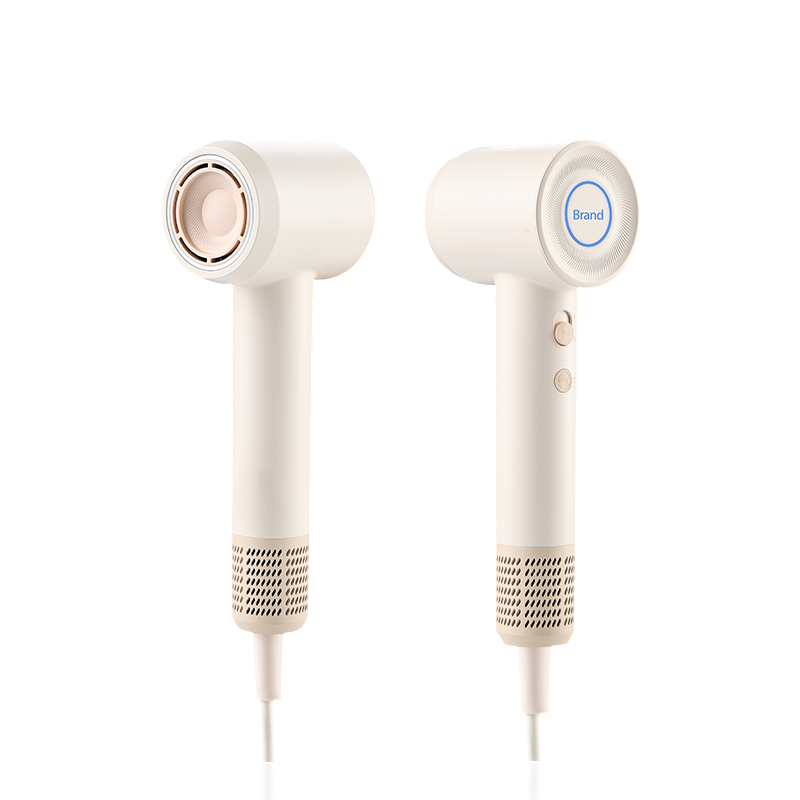
-
Choosing the Perfect Household Hair Dryer: A Complete Buying Guide
1. Understand Your Hair Type Different hair types require different heat, speed, and technology wh...
-
Hair Styling Appliances Manufacturers: A Sourcing Guide for Brands
It takes only one defective shipment to erase a year of brand building. For companies importing hai...
-
Is a Ceramic Air Styler Better for Curling and Hair Care
Hair Styling Knowledge Center How Does a Ceramic Air Styler Curl Hair Without Excessive Heat? A Ai...
-
Household Hair Care Tools Factory: How to Choose the Right OEM & ODM Partner
Two batches of the same hair dryer design. One earns a 4.6-star rating and clean reorder cycles. Th...
-
Hair Styling Gadgets for OEM/ODM Brands: Selection and Manufacturing Guide
When a product manager at a personal care brand sits down to review a new line of hair styling gadg...
-
Hair Styling Appliances: Types, Technology, and Choosing a Manufacturing Partner
When you pick up a hair styling appliance, the most important information is often printed in small...
- Home Products About Service News Contact
- Personal Care Products Pet Appliances
-
- Email: [email protected] Phone: +86-137 7710 9088 Add: Industrial Park of Henghe Town, Cixi City, Zhejiang Province, China
-
Contact Us Anytime for Exclusive Solutions
