

 English
 Español
 عربى

BLDC Hair Dryer Wholesale: A Practical Sourcing Guide for Brand Buyers
Content
- 1 What a Wholesale BLDC Hair Dryer Really Includes
- 2 The Specifications That Decide Landed Cost and Returns
- 3 Certification and Compliance: Ask for the Test Report, Not the Logo
- 4 MOQ, Sampling, and the Real Cost of Customization
- 5 Factory Evaluation Beyond the Brochure
- 6 How to Build a Wholesale Program That Scales
A buyer who receives three quotes for the same BLDC hair dryer wholesale project may see nearly identical motor speed claims and very different landed costs. The difference is rarely the motor alone. It sits in the driver board, bearing grade, impeller balance, thermal cutoff, ion generator, nozzle fit, certification scope, packaging, and the factory's ability to hold those choices stable from sample to mass production. The practical conclusion is simple: treat a BLDC dryer as a system, not a component. Ask for a specification sheet that ties every marketing claim to a test method, then compare quotes on the same basis.
What a Wholesale BLDC Hair Dryer Really Includes
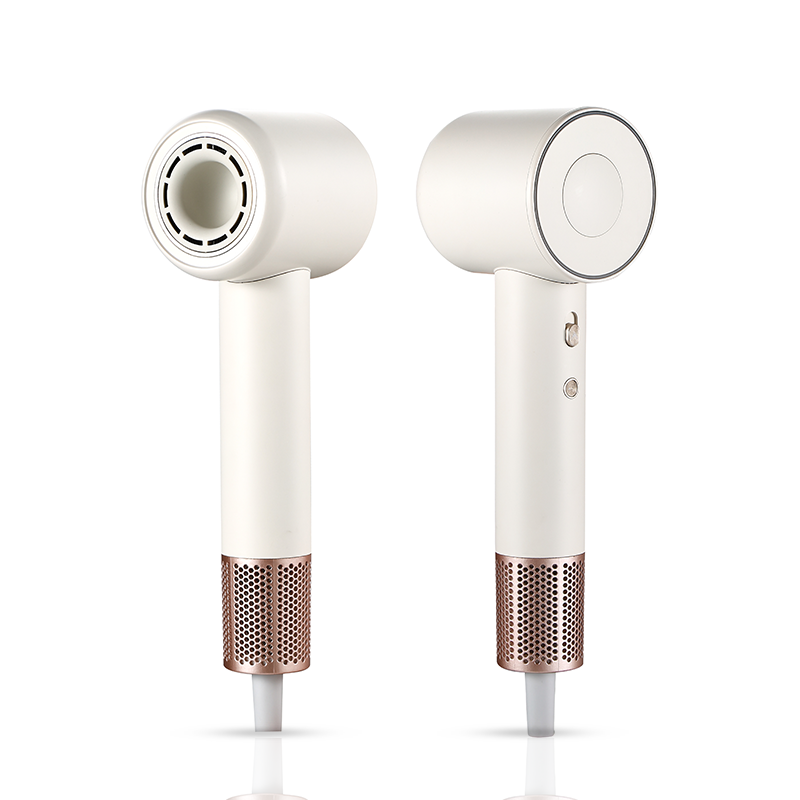
A brushless DC motor can spin faster and last longer than a conventional DC motor, but it needs a matched controller, temperature sensing, and a power stage that tolerates voltage swings. In a wholesale program, the bill of materials usually includes the motor, bearing set, impeller, heater, thermal fuse, control board, ion generator, housing, cable, plug, nozzles, and retail packaging. Each item carries a different failure mode and cost driver.
That is why two factories can quote the same speed figure and deliver different user experiences. One dryer may hold airflow through a clogged filter; another may slow down as the heater cycles. One may keep surface temperature inside a narrow band; another may spike when the air inlet is partly covered. Buyers should compare airflow at the nozzle, temperature stability, noise, and motor life under the same voltage and test distance.
Planning priorities for a BLDC wholesale program
Indicative planning priorities for sourcing discussions, not market statistics; actual emphasis depends on the brand's price tier and use case.
The Specifications That Decide Landed Cost and Returns
A useful quote package starts with a frozen specification table. If one supplier measures airflow at the outlet and another measures it 30 cm away, the numbers are not comparable. Agree on test voltage, frequency, nozzle, distance, ambient temperature, and tolerance before samples are made. The table below covers the items that most often move cost or create returns.
| Specification | What to confirm | Why it matters |
|---|---|---|
| Motor and airflow | Rated speed, nozzle airflow, static pressure, test distance | Determines drying speed and perceived power |
| Heat control | Heater wattage, outlet temperature at low and high, thermal fuse response | Affects safety, hair care claims, and user comfort |
| Ion system | Generator type, claimed ion output, service life | Supports frizz and static claims; must be verifiable |
| Noise and vibration | Sound pressure at 1 m, blade balance, housing resonance | Influences premium positioning and user complaints |
| Electrical | Voltage, frequency, plug, cord length, leakage current | Must match destination market and retail channel |
| Certification | Model-level CE, GS, ETL, UL, or CB reports; critical component list | Prevents customs delays and costly rework |
| Durability | Motor life test, switch cycles, drop test, cord flex test | Predicts warranty cost and retail returns |
| Packaging | Retail box, master carton, drop standard, barcode | Protects margin and marketplace compliance |
Certification and Compliance: Ask for the Test Report, Not the Logo
CE, GS, ETL, UL, and CB marks are useful only when the report matches the exact model, voltage, plug, and critical components you plan to buy. A factory may hold a broad certificate portfolio and still need a new evaluation for your SKU. Ask for the report number, issuing lab, date, model list, and critical component list. Check that the motor, power board, fuse, and plug are the same as the approved sample. For factory-level process questions, review the OEM and ODM personal care factory workflow before the audit.
ISO9001 and BSCI evidence helps with process control and social compliance, but neither replaces a product safety report. Keep certificate scope, factory audit, and model approval in separate files so a missing document does not stop a shipment.
MOQ, Sampling, and the Real Cost of Customization
Wholesale MOQs are usually driven by motor orders, injection colors, control-board programming, and retail packaging rather than by final assembly. A low MOQ on a standard color can become expensive when you add a custom nozzle, a new display graphic, or a different plug. Ask for a cost breakdown that separates tooling, sample fee, packaging plate, certification delta, and unit price at three order quantities.
Sampling should end with a signed golden sample and a photo record of every critical detail: gap widths, button feel, nozzle fit, cord strain relief, label position, and packaging print. Limit approval samples to a small number and keep one sealed unit for mass-production comparison. If a factory cannot explain how it will test the first production run against that sample, the lowest quote is not the lowest risk.
Factory Evaluation Beyond the Brochure
An audit should follow the product, not the showroom. Ask which line will run your order, how motor and airflow are tested, how heater calibration is checked, and what happens when a unit fails burn-in. Look for incoming inspection records, torque and balance checks on impellers, drop-test fixtures, cord flex stations, and traceability from motor batch to carton. A factory with roots in 1996 and an 18,000 sq m plant, such as Ningbo Prima Electric, can use that history as a starting point; the audit still needs to confirm line allocation, calibration, and records for your specific model.
Capacity claims deserve a simple test: ask for a production calendar with your order inserted, then compare it with the motor and packaging lead times. If the calendar has no buffer for rework or retesting, peak season will expose it.
How to Build a Wholesale Program That Scales
A three-tier ladder keeps development and certification work under control. Start with an entry BLDC model with fixed heat and speed settings, add a core model with smart temperature control and an LED display, then offer a professional or multi-head model for salons and premium retail. Sharing the same motor family and controller platform reduces spare parts, test variants, and training for the sales team.
For a professional tier, the AU770 is positioned around high-speed drying and hair care; it suits buyers who need a credible flagship rather than a basic dryer.
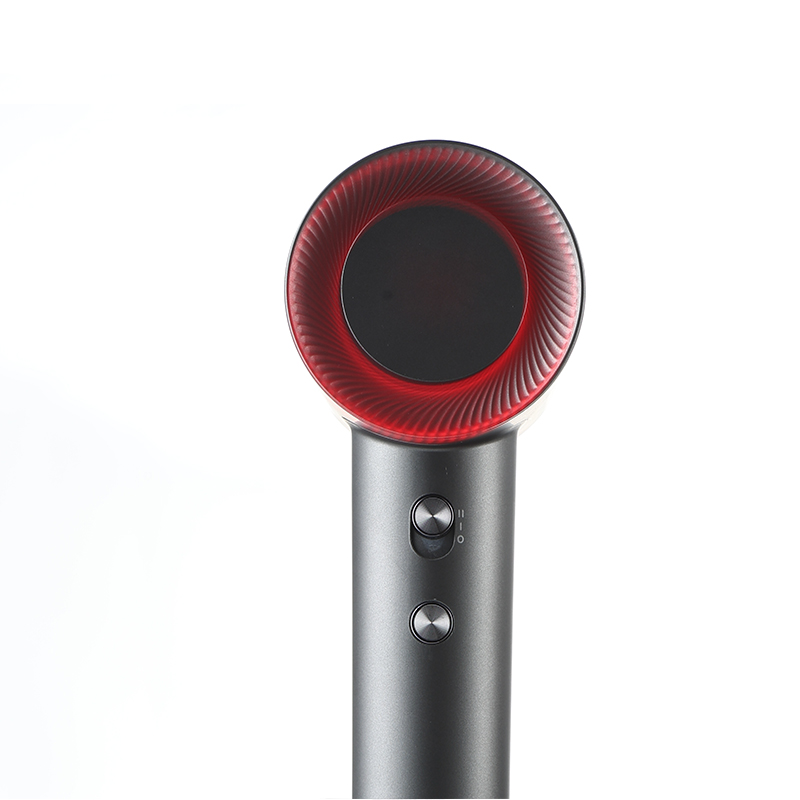 AU770 Professional High-Speed Hair Dryer with Hair CareA flagship professional dryer with high-speed brushless motor, eight modes, and negative-ion care, positioned for salons and buyers seeking a credible high-performance model.View Product →
For a core smart-temperature program, the AU750B adds intelligent heat control, which is easier to merchandise than another speed claim.
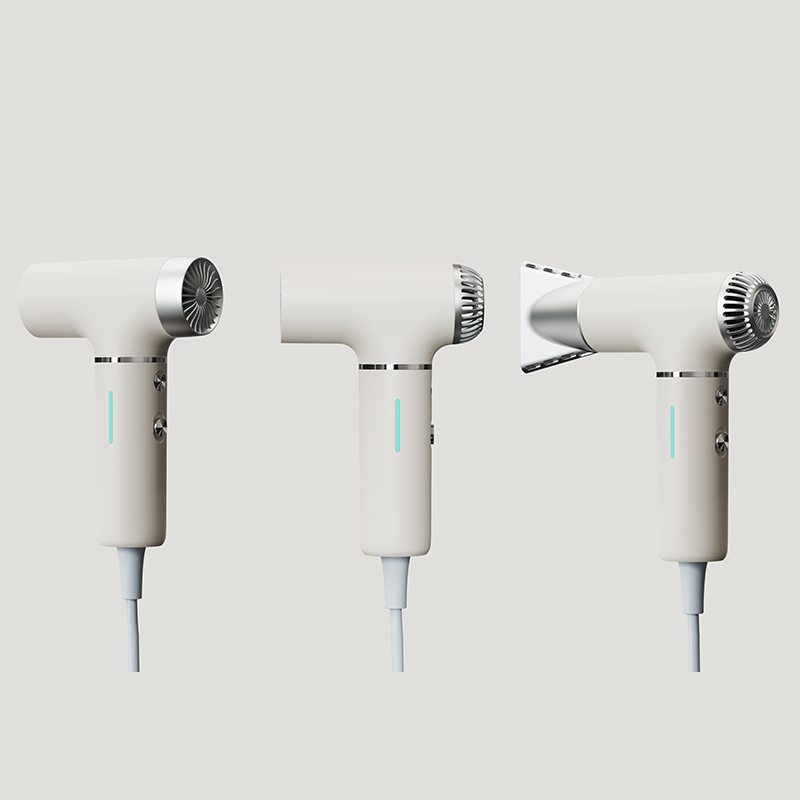 AU750B Smart Temperature-Control High-Speed Hair DryerA smart-temperature dryer with real-time outlet monitoring, two speeds, four temperatures, and negative-ion care, suited to a core heat-control lineup for home or salon use.View Product →
For a multi-head styling set, the AU711 can extend the range without starting a new platform.
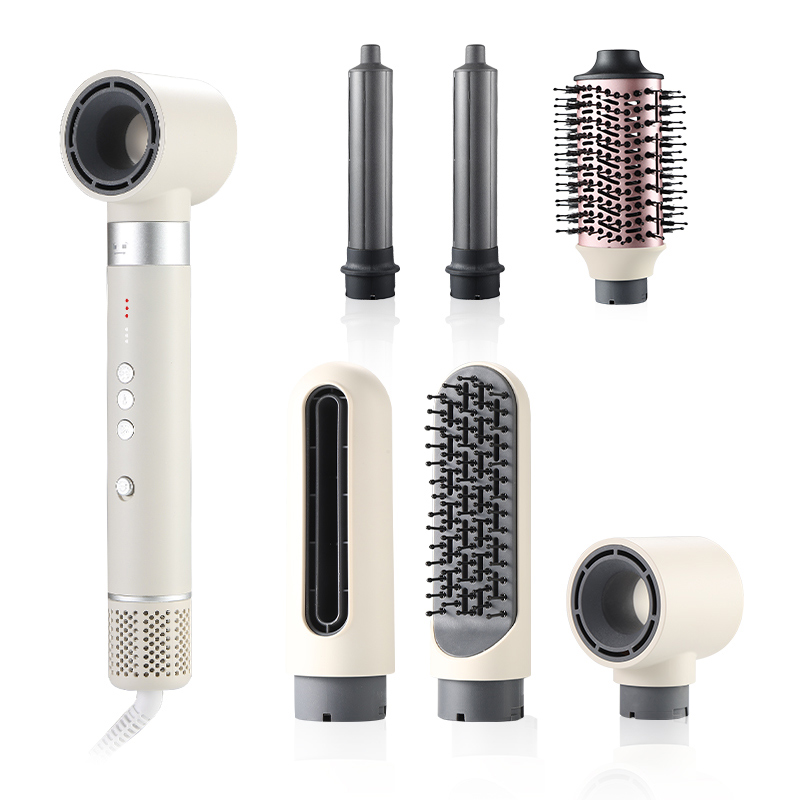 AU711 Multi-Head High-Speed Hair StylerA multi-head styling appliance with 1300–1500W airflow, three speeds, three temperatures, and negative ions, extending a dryer range with drying and styling functions.View Product →
Review the high-speed BLDC hair dryer range against the ladder, then choose two or three models for a pilot order. Keep the rest as a roadmap until sell-through and test data support expansion.
The most reliable way to buy BLDC hair dryers wholesale is to make the comparison boring: same spec sheet, same test method, same sample approval, same certification scope, and same packaging standard. A factory that can document those steps is easier to scale than one that only offers a lower unit price. Start with a small pilot order, verify the golden sample against mass production, then expand the model ladder as the test data and sell-through justify it.
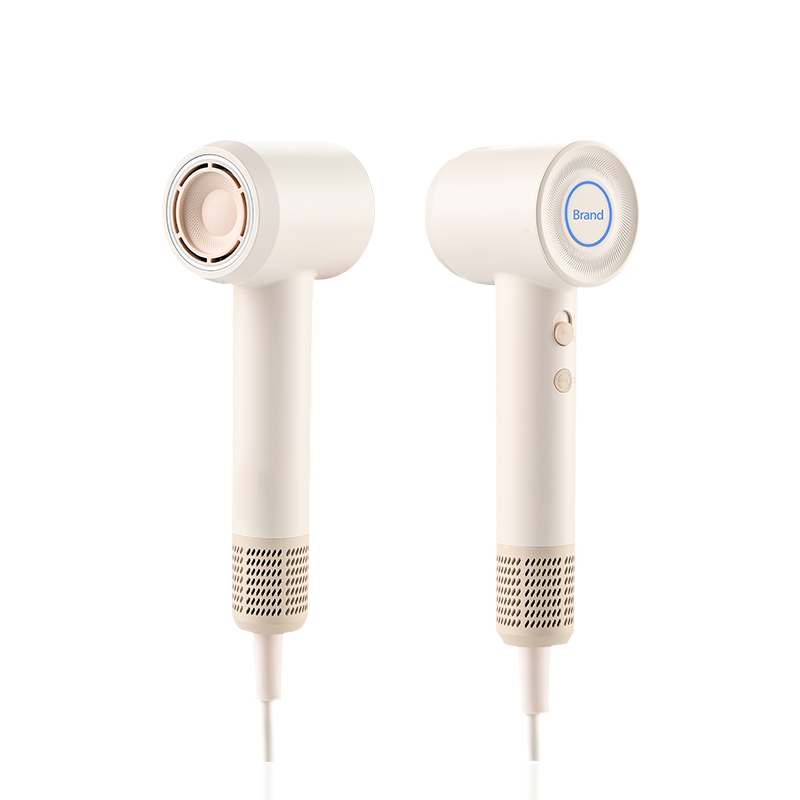
- AU709A High-Speed BLDC Hair Dryer
- AU709C High-Speed BLDC Hair Dryer with Baby Care Mode
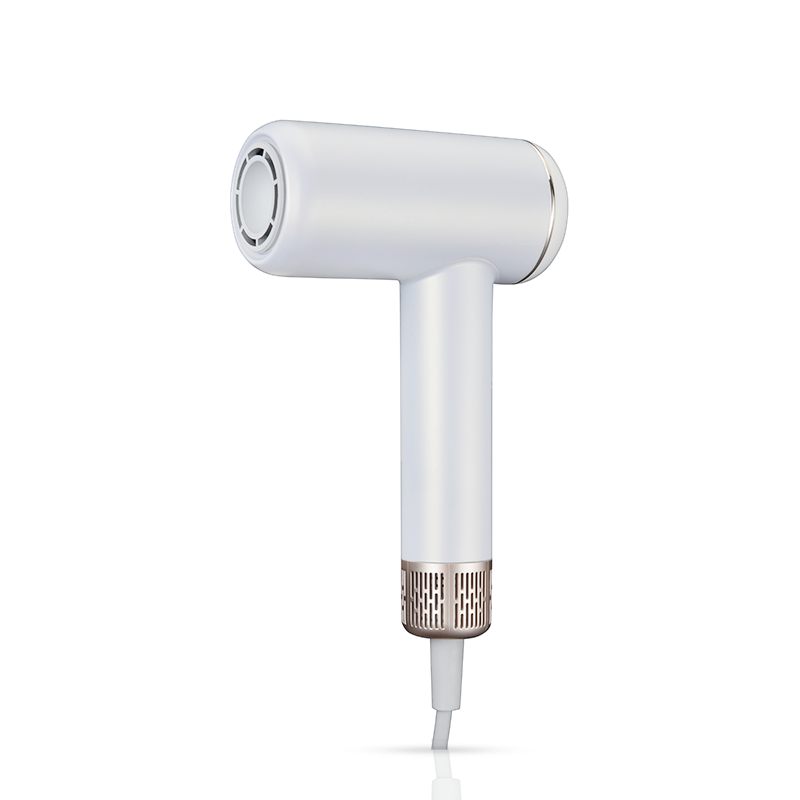
- AU707 Intelligent High-Speed BLDC Hair Dryer
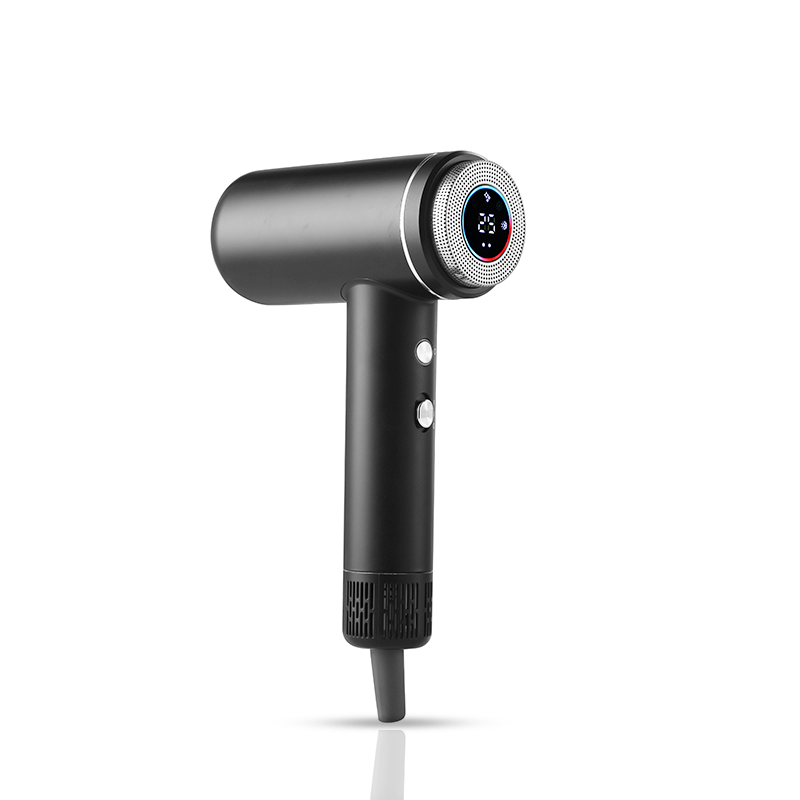
- AU707A Smart LED Display BLDC High-Speed Lonic Hair Dryer
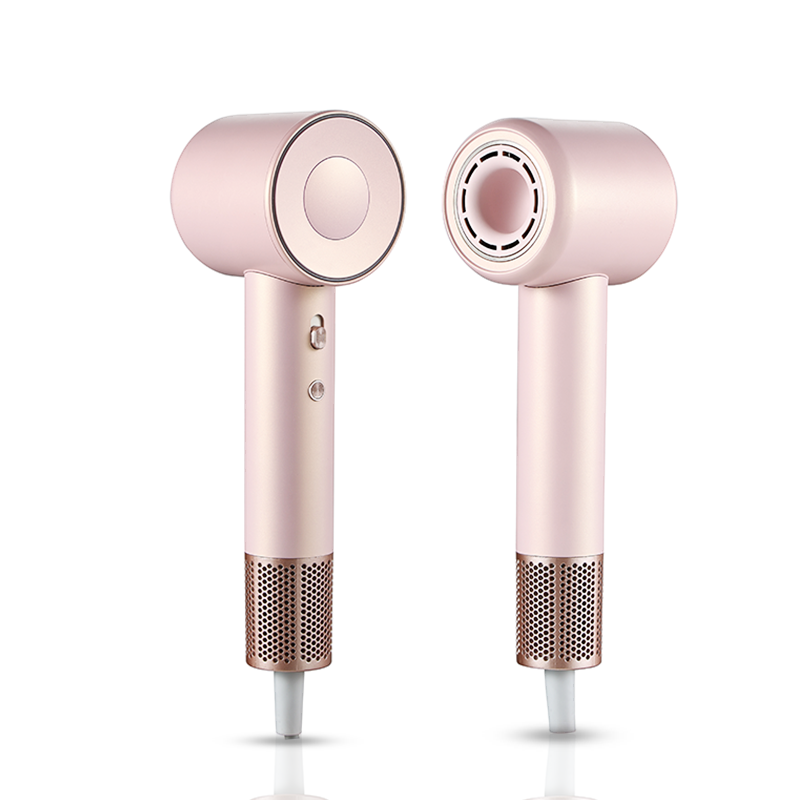
- AU708 High-Speed BLDC Hair Dryer with Intelligent Memory & Ion Tech
- AU708A Intelligent LED Display High-Speed BLDC Hair Dryer
-
Hair Styling Appliances Manufacturers: A Sourcing Guide for Brands
It takes only one defective shipment to erase a year of brand building. For companies importing hai...
-
Hair Dryer Manufacturers: How to Evaluate OEM and ODM Partners for Your Brand
If two hair dryer manufacturers quote what looks like the same product — an 1800 W dryer with negat...
-
Pet Appliances for Grooming Brands: Dryers, Drying Boxes, and OEM Sourcing
Pet Appliances: A Sourcing Guide for Grooming and Retail Brands A grooming salon that adds pets to ...
-
Hair Styling Gadgets for OEM/ODM Brands: Selection and Manufacturing Guide
When a product manager at a personal care brand sits down to review a new line of hair styling gadg...
-
Custom Hair Styling Gadgets Suppliers: Practical Applications, Selection, Performance
A brand team recently sent the same hair styler brief to six factories. The quotes landed within 8%...
-
Choosing the Perfect Household Hair Dryer: A Complete Buying Guide
1. Understand Your Hair Type Different hair types require different heat, speed, and technology wh...
- Home Products About Service News Contact
- Personal Care Products Pet Appliances
-
- Email: [email protected] Phone: +86-137 7710 9088 Add: Industrial Park of Henghe Town, Cixi City, Zhejiang Province, China
-
Contact Us Anytime for Exclusive Solutions
