

 English
 Español
 عربى

Personal Care Products Factory: A Buyer's Guide to Vetting OEM/ODM Partners
Content
- 1 OEM, ODM and the Difference That Reaches Your Margin
- 2 Reading the Model Range as a Capability Map
- 3 Certifications: What They Verify and What They Leave Open
- 4 Where Personal Care Sourcing Projects Actually Slip
- 5 Matching the Platform to the Sales Channel
- 6 A Vetting Sequence That Surfaces Problems Early
- 7 What a Reliable Partner Looks Like Up Close
Three hair dryer samples land on the same desk in the same week. On paper they match: same wattage, ionic claim, three heat settings. What separates them is invisible at sample stage — one factory can hold a ±3% airflow tolerance across a 5,000-unit run, one cannot say which motor driver it uses, and one has never drop-tested the retail carton.
The short answer: judge a personal care products factory on three things — how deep its model range runs, what its own lab can prove, and how precisely it scopes OEM against ODM work. Price, samples and catalogue polish all sit downstream of those.
OEM, ODM and the Difference That Reaches Your Margin
"We do OEM and ODM" means different things in different factories, and the gap shows up in tooling cost, exclusivity and how fast you reach the shelf.
Pure OEM: you bring the industrial design, motor spec and test plan; the factory brings tooling, assembly, process control and export documentation. You fund the moulds and you own them. Slowest to first shipment, but the product is yours alone.
Catalogue ODM: the factory already has a platform — say a 1,600 W foldable dryer — and you take it with your logo, colourway and packaging. Tooling cost approaches zero, lead time is short, and the same shell may appear under two other brands next season. Modified ODM sits between them: existing chassis, new nozzle geometry, different heater control board, your firmware limits. Most brand projects land here, and this is where projects go wrong, because change control stays informal until someone writes it down.
| Model | Who owns the design | Tooling cost | Time to first shipment | Best fit |
|---|---|---|---|---|
| Pure OEM | Buyer | High, buyer-funded | Longest | Differentiated flagship product |
| Catalogue ODM | Factory | Minimal | Shortest | Fast entry and test SKUs |
| Modified ODM | Shared — needs a written split | Medium | Medium | Most brand programmes |
Practical consequence: before comparing quotations, force the factory to name the model. A modified-ODM quote set against a pure-OEM quote is not a comparison, it is a misunderstanding.
Reading the Model Range as a Capability Map
A catalogue is a map of where a factory has already paid its learning costs. Where a platform has many variants, tooling is amortised, motor supply is stable, and line staff have met every failure mode. Where a platform has one or two models, you are probably funding the learning.
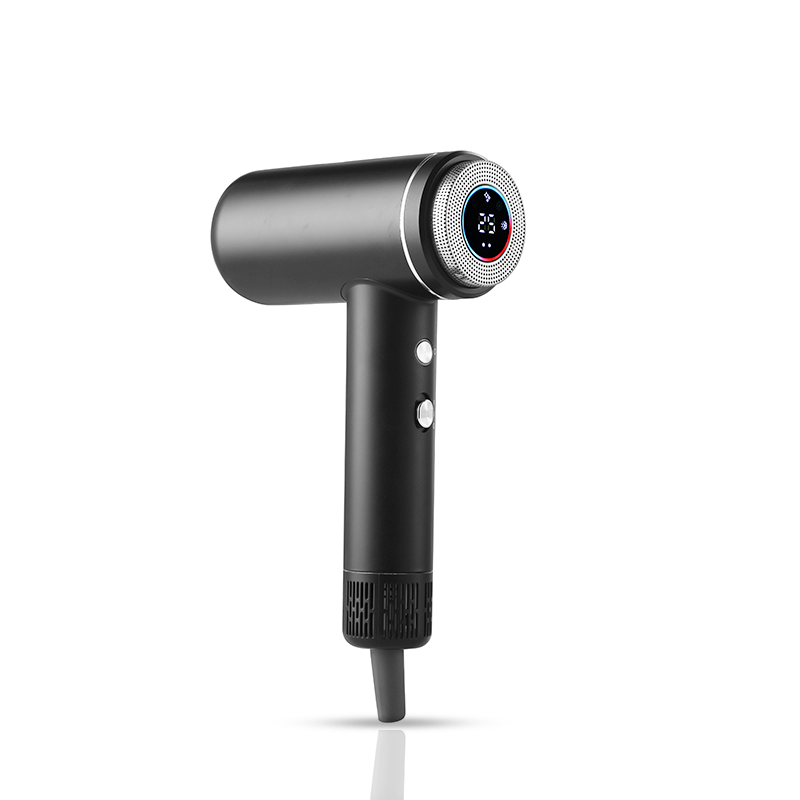
That pattern is visible in a mature personal care line: high-speed brushless dryers usually outnumber conventional DC models by more than two to one, because the brushless platform absorbed the engineering investment — motor control, thermal sensing, ion output, display boards. A range built that way reads as a technology spine with variants hanging off it, not a flat list of unrelated SKUs.
Read the shape, not the exact numbers. Then look at how variants differ: intelligent memory ion control, LED display feedback, AI-driven heat adjustment, a dedicated baby-care mode. Ask the factory to explain the difference between two adjacent model numbers — the answer tells you whether the range is engineered or assembled from a parts bin.
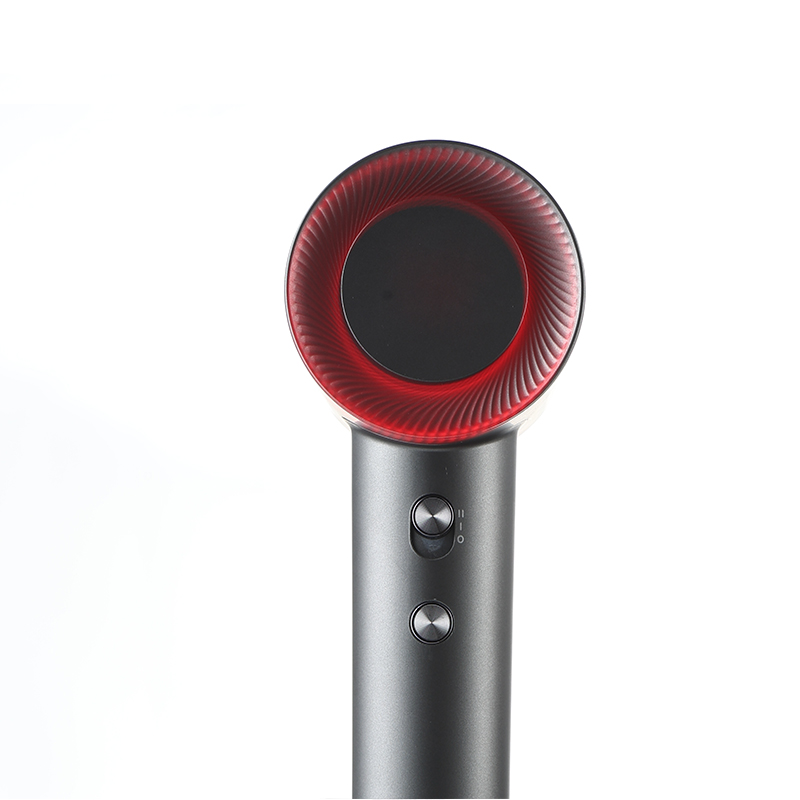 AU770 Professional High-Speed BLDC Hair DryerFlagship 1600W high-speed BLDC model with eight modes and negative-ion care, useful as a top-of-range reference for comparing cheaper variants.View Product →
A professional-grade unit inside the high-speed BLDC hair dryer family is a useful reference: it shows what the platform delivers at the top of the range, and therefore which tolerances the cheaper variants inherit.
Certifications: What They Verify and What They Leave Open
Certificates are necessary and routinely misread. Each answers one specific question, and none of them answers "will this unit still perform after 800 hours of use?"
| Certificate | Question it answers | Where it matters |
|---|---|---|
| CE | Does the unit meet EU directives on safety, EMC and hazardous substances? | EU placement; largely a manufacturer declaration backed by test reports |
| GS | Has an independent body tested the design and audited production? | Germany and neighbouring markets; includes factory inspection |
| ETL / UL | Does it meet North American safety standards? | US and Canadian retail listings |
| CB | Can test results convert into national approvals with less retesting? | Multi-country rollouts |
| ISO 9001 | Is there a documented process system? | Factory qualification — process, not product |
| BSCI | Are labour and social standards audited? | Importer and retailer compliance programmes |
A factory that hands over a folder of certificates but no airflow, temperature-rise or drop-test reports has given you market access, not engineering evidence. Ask for the second thing.
Where Personal Care Sourcing Projects Actually Slip
Failures cluster in the same few places, and almost none involve the headline specification.
- Voltage and plug variants. A 110 V and a 220 V build are not the same unit with a different label; heater resistance, motor speed and thermal cut-out thresholds all move. Dual-voltage travel models need their own validation.
- MOQ against SKU count. A 3,000-unit MOQ split across four colourways often becomes four short runs at a worse unit price than one full run.
- Component change control. Motor drivers, thermal fuses and cells get substituted at source; without a written change-notification clause, the unit you approved in March is not the unit shipping in September.
- Packaging and drop performance. Retail cartons fail in transit long before the appliance does, and e-commerce channels need a different carton spec than pallet retail.
- Spare parts and after-sales. Nozzles, cords and filter meshes need an agreed supply window, or returns become write-offs.
- Tooling and IP ownership. Who holds the mould, who owns the enclosure drawing, and what happens to both if the relationship ends.
Matching the Platform to the Sales Channel
Channel decides which platform matters, and a factory with genuine range breadth lets you choose the platform instead of accepting the one with spare capacity.
Salon and professional retail need sustained airflow and heat stability across long sessions, plus cord and switchgear built for daily abuse. Mass retail and gifting need a compact, foldable body that survives a suitcase; dual-voltage versions are their own certification exercise. Family and infant segments need surface-temperature limits that can be verified, not just a lower dial setting.
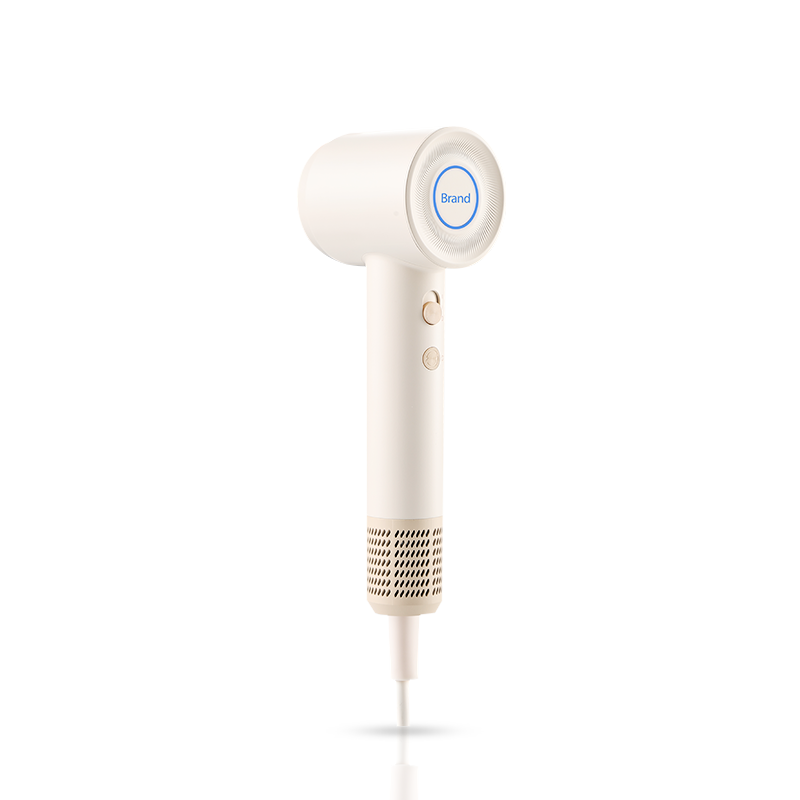 AU709C High-Speed BLDC Hair Dryer with Baby ModeSalon-grade 110,000 RPM BLDC dryer with dedicated Baby Mode, billion-level negative ions and four heat settings; assess its temperature curve for infant safety.View Product →
A baby-care mode is a good test of how a factory thinks: it should mean a capped outlet temperature with a narrower tolerance band, not a renamed low-heat button. Ask for the temperature curve.
Styling tools follow the same logic. Cordless automatic curlers trade heat-up speed for freedom from the cord, which pushes the burden onto cell quality, charge-cycle life and thermal protection while charging. Pet appliances add a third requirement set — noise limits, continuous-run tolerance and hair ingress — that a hair dryer platform does not automatically satisfy.
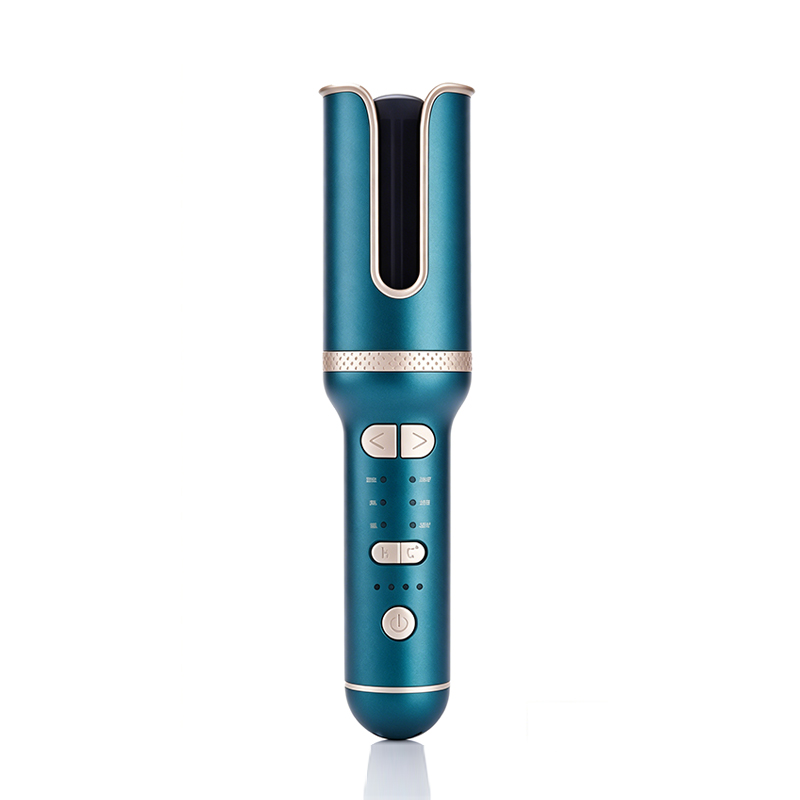 501 Wireless Charging Automatic Hair CurlerCordless 4800mAh automatic curler with three temperatures, three curling times and 12-second auto shutoff; relevant for checking battery and charging safety.View Product →
A Vetting Sequence That Surfaces Problems Early
Run these in order; each filters the next, and the whole sequence costs less than one failed production run.
- Request the platform map rather than the catalogue: which families are in active production, which are legacy, and which share tooling.
- Walk the lab. Temperature-rise rigs, airflow benches, drop towers, life-cycle stations and a noise enclosure reveal what can be measured in-house and what gets outsourced.
- Ask for reliability data on the closest existing model — 500-hour or 1,000-hour motor runs, switch-cycle counts, cord flex results.
- Confirm certification ownership: whose name sits on the CB report, and can the factory re-test when a component changes.
- Run a pilot build of 50 to 200 units and inspect against a written spec sheet, not against the sample you liked.
- Lock change control, spare parts and tooling ownership into the agreement before the first purchase order.
A factory that answers steps two and three without preparation is usually the one that will not surprise you in month nine. For a fuller view of how scope, tooling and IP should be divided, see this guide to choosing an OEM and ODM personal care factory.
What a Reliable Partner Looks Like Up Close
Scale helps, but only when it is verifiable. A manufacturing lineage stretching back to the 1990s, a 15,800 m² site and a stated capacity of one million units a year mean the factory has had time to accumulate process knowledge. The useful question is what it did with that time: build a lab, or just a bigger assembly hall?
The signals worth weighting are unglamorous. A range where the high-speed brushless family is the deepest rather than the newest. Certificates issued in the name of the actual manufacturing entity. A named person who owns change control. A test report you can read without a translator. Get those four, and unit price becomes a detail rather than a gamble.
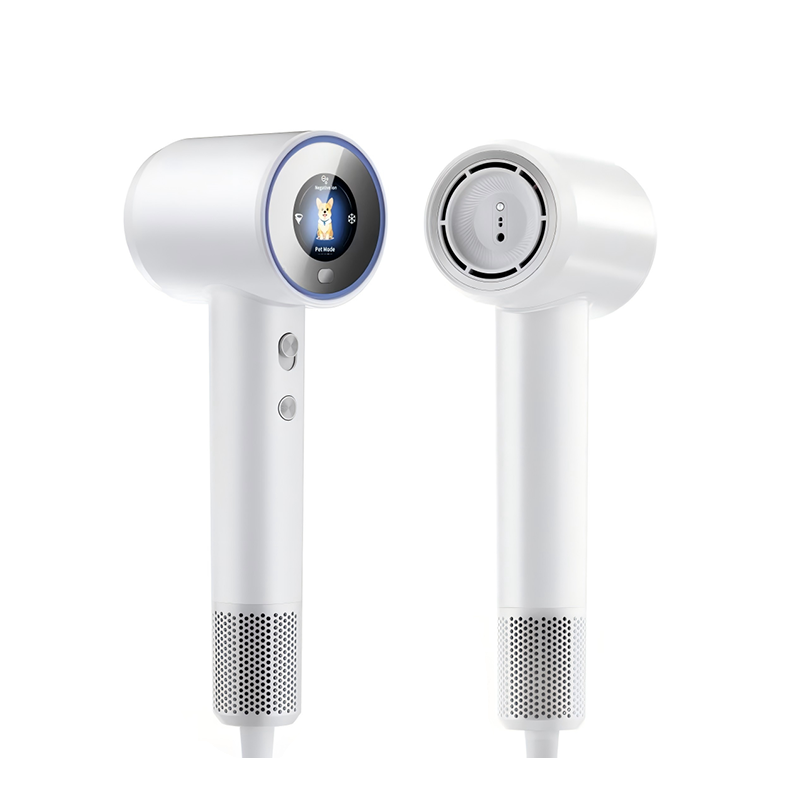
- AU770 Professional High-Speed Hair Dryer with Hair Care
- AU770AI AI Intelligent Control Hair Dryer with Dynamic Display
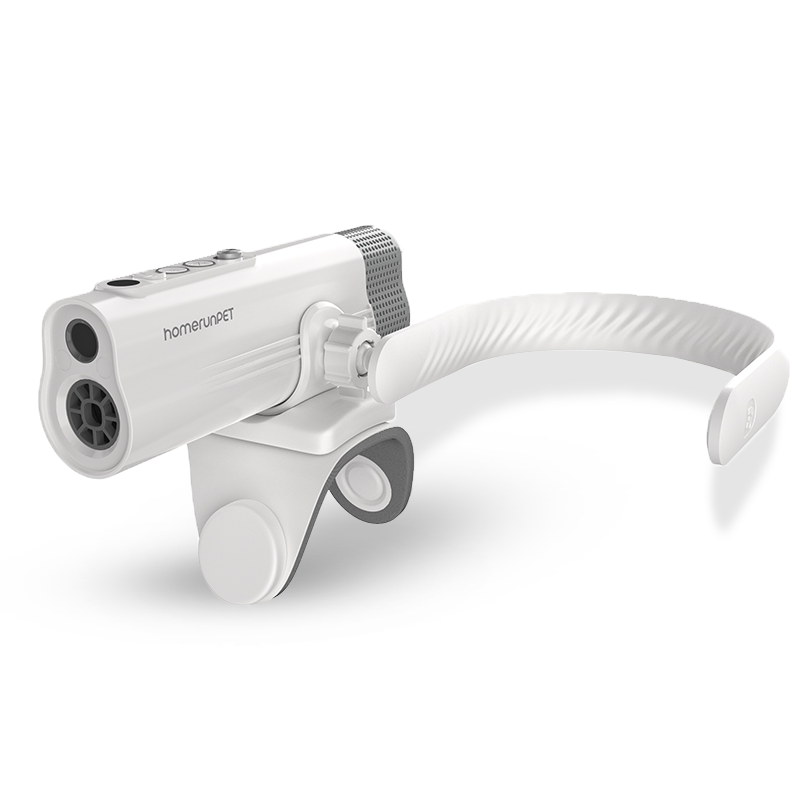
- AU712 Shoulder-Mounted Hands-Free Pet Dryer
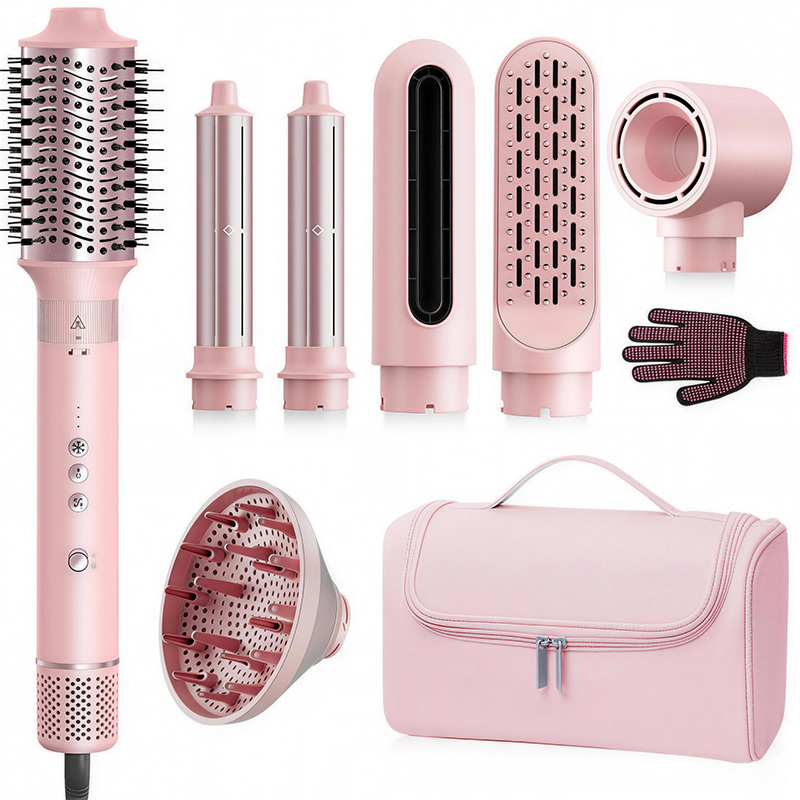
- AU711 Multi head high speed hair styler
- AU709C High-Speed BLDC Hair Dryer with Baby Care Mode
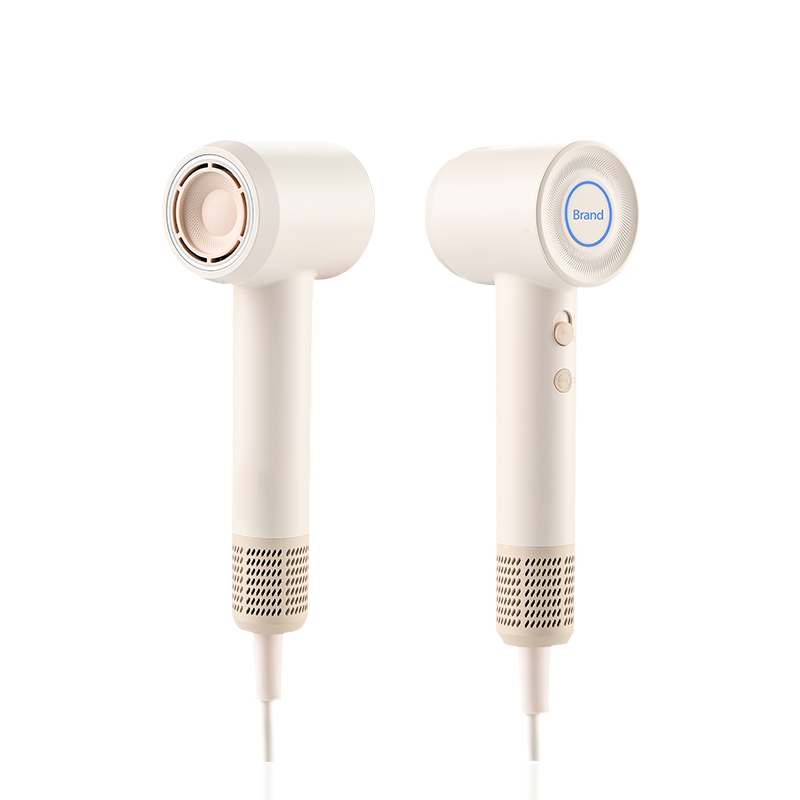
- AU707A Smart LED Display BLDC High-Speed Lonic Hair Dryer
-
Hair Care Products Manufacturers: How to Choose a Reliable OEM/ODM Factory
You ask two hair care products manufacturers for a quote on a high-speed hair dryer. One comes back...
-
Personal Care Electrical Products & Appliances: 2025 Buying Guide
What Are Personal Care Products? Understanding the Category The buying decision usually starts with...
-
Household Hair Care Tools Factory: How to Choose the Right OEM & ODM Partner
Two batches of the same hair dryer design. One earns a 4.6-star rating and clean reorder cycles. Th...
-
Hair Dryer Manufacturers: How to Evaluate OEM and ODM Partners for Your Brand
If two hair dryer manufacturers quote what looks like the same product — an 1800 W dryer with negat...
-
Hair Styling Gadgets for OEM/ODM Brands: Selection and Manufacturing Guide
When a product manager at a personal care brand sits down to review a new line of hair styling gadg...
-
BLDC Hair Dryer Wholesale: A Practical Sourcing Guide for Brand Buyers
A buyer who receives three quotes for the same BLDC hair dryer wholesale project may see nearly ide...
- Home Products About Service News Contact
- Personal Care Products Pet Appliances
-
- Email: [email protected] Phone: +86-137 7710 9088 Add: Industrial Park of Henghe Town, Cixi City, Zhejiang Province, China
-
Contact Us Anytime for Exclusive Solutions
