

 English
 Español
 عربى

Hair Care Products Manufacturers: How to Choose a Reliable OEM/ODM Factory
Content
- 1 OEM, ODM, or Private Label: What the Labels Actually Mean
- 2 Engineering Depth: What Separates a Factory from a Real Manufacturer
- 3 Certifications and Quality Systems: Read Beyond Logos
- 4 Product Portfolio Fit and Use-Case Realities
- 5 Structured Evaluation: Ask for Evidence, Not Promises
- 6 Start with the Factory, Not the Price List
You ask two hair care products manufacturers for a quote on a high-speed hair dryer. One comes back 40 percent lower, and both claim to handle OEM and ODM projects. The difference is rarely labor cost. It comes from how deeply the factory engineers the product: motor selection, airflow path, thermal protection, ion generation, and certification scope. A good manufacturer treats your product brief as a technical requirement, not a packing list.
The practical conclusion is simple: evaluate hair care products manufacturers by engineering depth, quality systems, certification coverage, and product fit before comparing piece prices. That sequence will save you far more money than bargaining first.
OEM, ODM, or Private Label: What the Labels Actually Mean
In the appliance world, the terms overlap. Some importers think OEM means "we send a design and the factory builds it," while ODM means "the factory has a design we can brand." That distinction matters, but the more useful question is: who owns the design and engineering data?
A private label agreement usually uses an existing model with minor color or logo changes. OEM work assumes your design, bill of materials, and tooling are executed by the factory. ODM work gives you access to a platform the factory has already developed, such as a brushless DC motor hair dryer with existing airflow, electronics, and safety markings. Many factories, including OEM/ODM personal care factories, operate in all three modes but will negotiate different change-control terms depending on the model.
| Model | What the factory provides | Design ownership | Best for |
|---|---|---|---|
| Private label | Existing product, brand or color changes | Factory; brand receives usage rights | Fast launches with lower design risk |
| OEM | Build to your design and specifications | Brand owns the design | Brands with in-house engineering teams |
| ODM | Adapted factory platform with custom details | Shared or licensed per agreement | Brands needing faster, tested development |
Read the IP clause carefully. If you bring a private design into an ODM platform, define who owns the modifications before production starts.
Engineering Depth: What Separates a Factory from a Real Manufacturer
The most visible difference among hair care products manufacturers is their control over core components. For hair dryers, the motor is the decisive component. A conventional DC dryer may spin at around 16,000–20,000 RPM; a brushless DC motor on a high-speed platform can reach roughly 100,000 RPM and generates far higher air velocity. That affects heat distribution, drying time, and noise.
Thermal sensors, heating element control, negative ion output, and wind tunnel design matter just as much. Ask for test data: how many hours does the motor run at maximum speed? What is the temperature deviation at a set nozzle? What ion output remains after 500 hours? These measurable points are more useful than marketing adjectives.
A factory that has already developed platform products can answer these questions quickly.
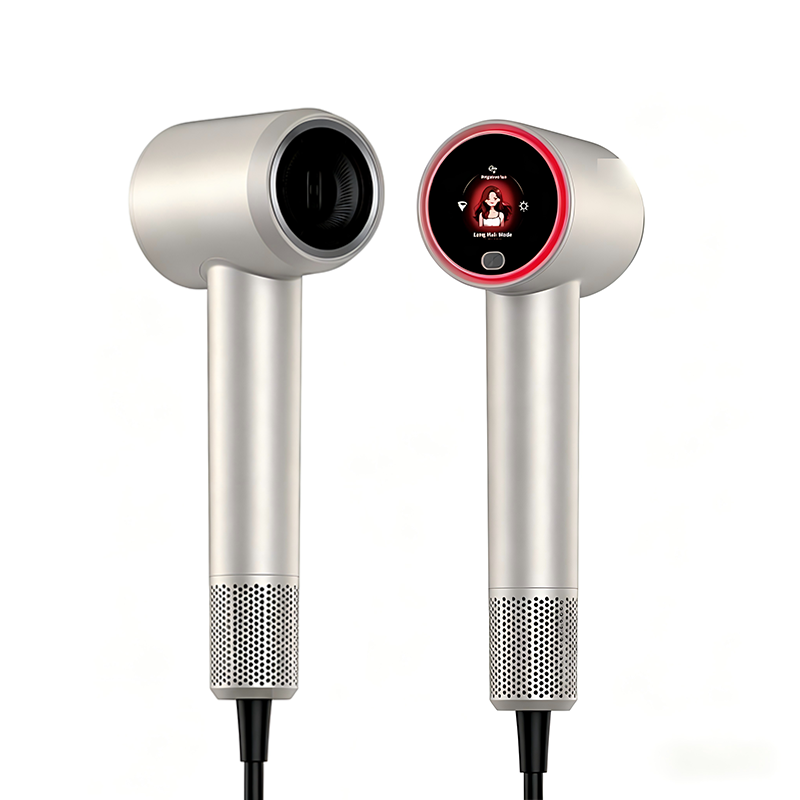
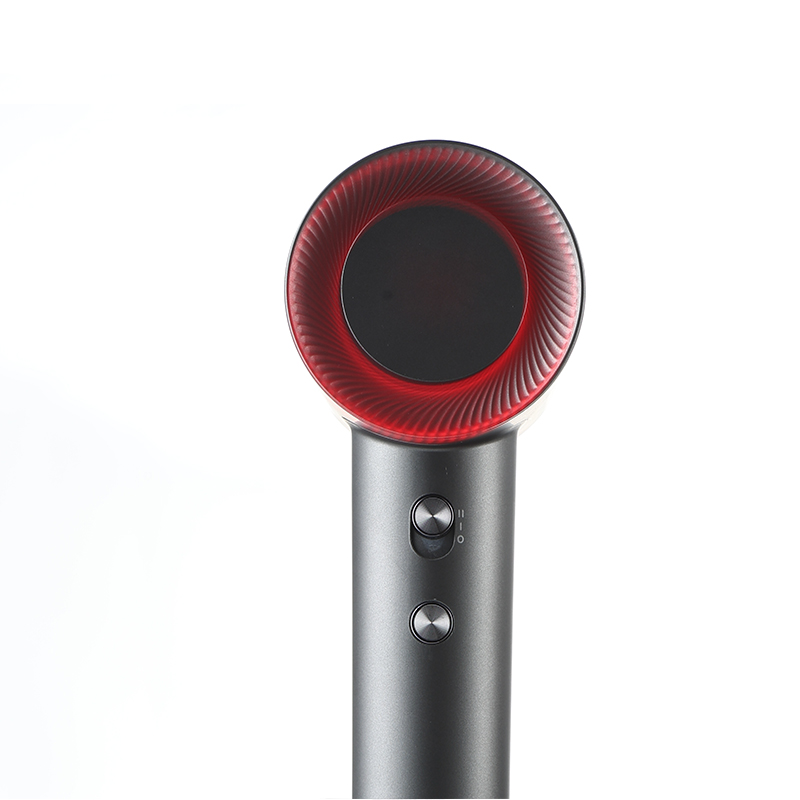 AU770 Professional High-Speed Hair DryerThis salon-grade dryer delivers powerful airflow with a 1600W brushless motor, weighs only 423.5g, and offers 8 modes with negative ions for gentle, fast drying.View Product →
Professional-grade dryers in this class are the result of repeated thermal testing, not a single design sprint.
Certifications and Quality Systems: Read Beyond Logos
CE, UL, ETL, CB, and GS marks appear in product descriptions, but their value depends on scope. A certificate for one model with a specific motor and heating element does not automatically cover an upgraded version. Ask to see the test reports and the certificate number, then look up which variants are listed.
| Certificate | What it verifies | Key question to ask |
|---|---|---|
| CE | European safety and electromagnetic compatibility | Does it cover the exact model and voltage? |
| UL / ETL | North American product safety | Which factory location and model numbers are listed? |
| CB | International safety test report | Can you share the full test report, not just the logo? |
| ISO 9001 | Quality management system | How often is the system audited? |
| BSCI | Social compliance and labor standards | Does it cover all production lines or only one site? |
System certificates such as ISO 9001 and BSCI do not replace product safety tests, but they indicate consistent process control across production runs.
Product Portfolio Fit and Use-Case Realities
Hair care products manufacturers often list dozens of dryers and styling tools. What matters is whether the portfolio covers your target use case with a stable platform. A broad catalog is useful only if the underlying engineering supports your retail price point, voltage requirements, and expected product life.
Personal care appliances
Look at categories: high-speed BLDC dryers, DC dryers, air styler sets, cordless curling wands, and multifunctional brushes. If you are launching a travel-focused line, you need compact dual-voltage architecture. If you are selling wholesale into salons, you need higher heat endurance and longer motor life.
| Category | Core engineering topics | Typical buyer priority |
|---|---|---|
| High-speed BLDC dryer | Brushless motor, temperature sensor, ionizer | Faster drying with less heat damage |
| DC dryer | Heating element control, compact body | Low cost and predictable reliability |
| Air styler | Motorized attachments, comb and barrel design | Multi-use home styling |
| Cordless curler | Battery management, rotational speed control | Travel and cord-free convenience |
| Pet dryer | Airflow, noise control, hands-free or enclosure setup | Low-stress pet grooming |
Cordless styling and pet-care extensions
These adjacent categories use the same electrical and thermal engineering as a hair dryer, which is why some manufacturers extend the same platform into cordless curlers and pet grooming appliances.
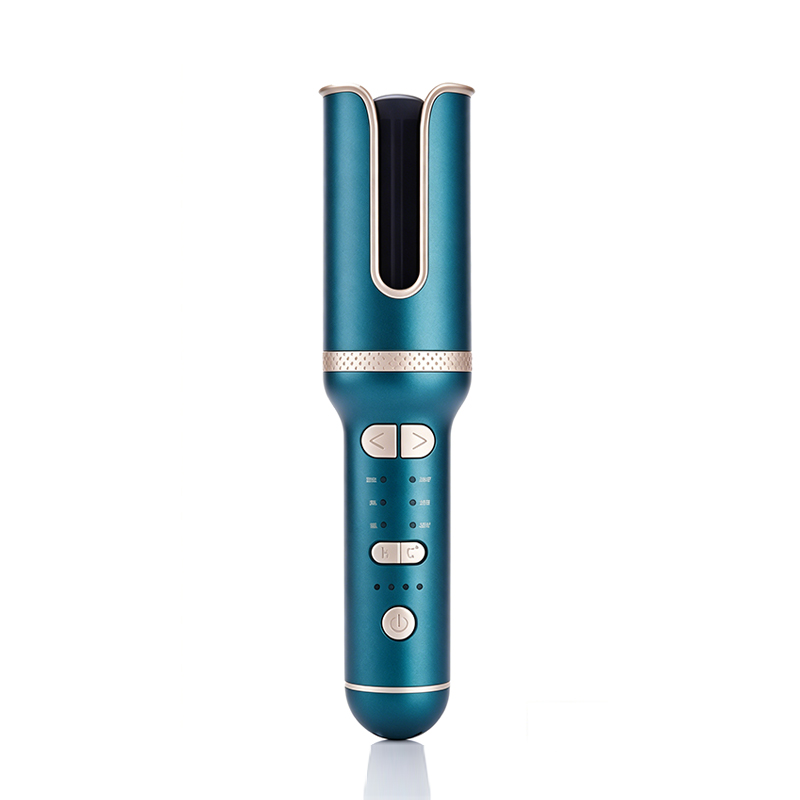 Model 501 Wireless Charging Automatic Hair CurlerA cordless, lightweight curler with a 4800mAh battery and three heat settings, ideal for on-the-go styling and sharing the same engineering platform as dryers.View Product →
For pet grooming, an intelligent drying cabinet reduces labor cost and noise complaints.
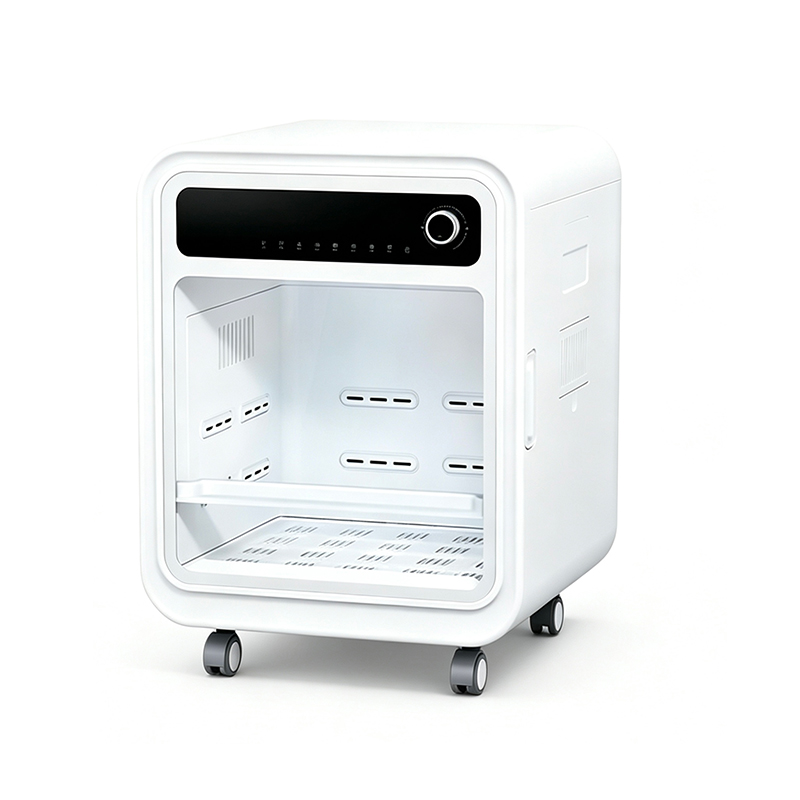 AU901 Smart Pet Drying BoxThis intelligent drying cabinet uses 520W with app control, low noise, and sterilization features to dry pets evenly, reducing labor and complaints in grooming settings.View Product →
Structured Evaluation: Ask for Evidence, Not Promises
Use a weighted scorecard instead of a gut reaction. The exact weights depend on your market, but a balanced starting point for hair care products manufacturers is shown below.
Then test the factory with specific questions:
- Request a motor life report for the exact model, including voltage conditions.
- Ask how ion output is measured and whether it stays stable across a full production run.
- Review sample modification history: how many rounds of tool changes are allowed before costs reset?
- Confirm whether the product certificate lists the model name and the destination market.
- Clarify MOQ per SKU, per color, and per packaging configuration; they are rarely the same.
- Define how change-control requests will be documented and who approves them.
Red flags include vague motor sourcing, refusal to share test reports, or silence on IP assignment when you provide your own design files.
Start with the Factory, Not the Price List
The pattern is consistent: brands that engage deeply with engineering and certification early encounter fewer recalls and less renegotiation. A factory that can show you a traceable history, clear process ownership, and product evidence is more valuable than one that simply lists cheap products. Read the company background and service pages before you request samples; there is useful signal there. For example, a manufacturer’s own track record tells you how it has evolved, merged, and built capabilities over time.
Use the four-part screen—engineering, quality, certification, and portfolio fit. Then test with a pilot order and audit the production process before scaling. That approach will turn a quote from a vendor into a long-term sourcing partner.
- 701A 1800W Negative Ion One-touch Cold Wind Hair Dryer
- 701D 1800W Negative Ion One-touch Cold Wind Hair Dryer
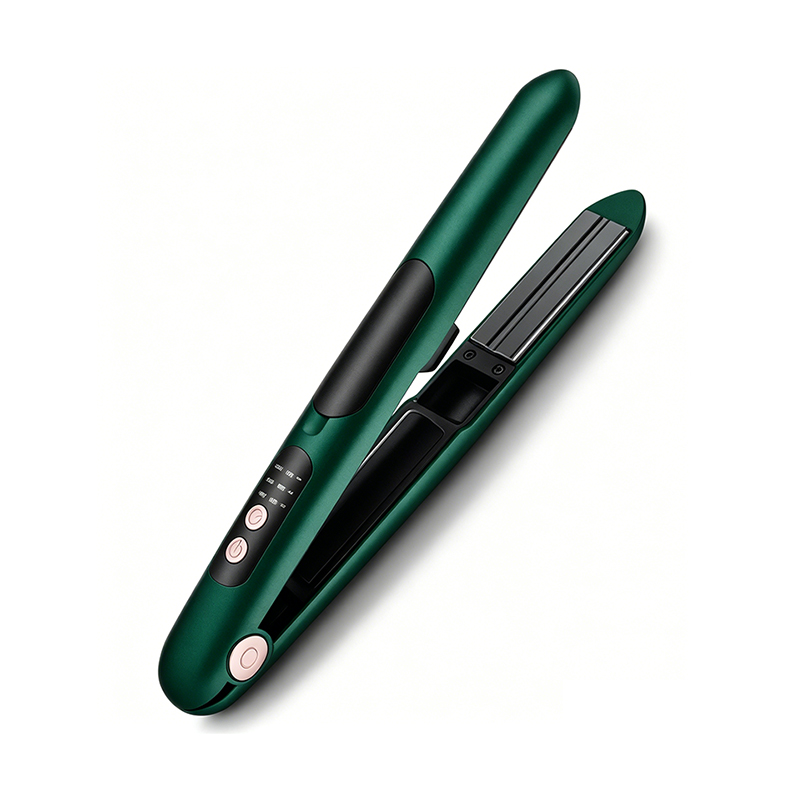
- 601 Smart Automatic Spray Hair Straightener
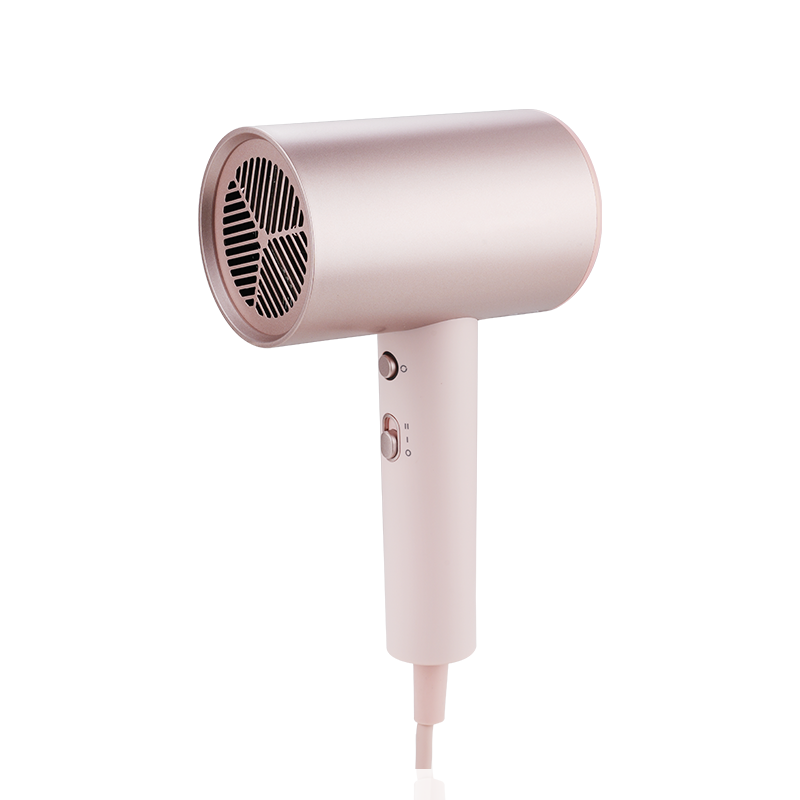
- AU709C High-Speed BLDC Hair Dryer with Baby Care Mode
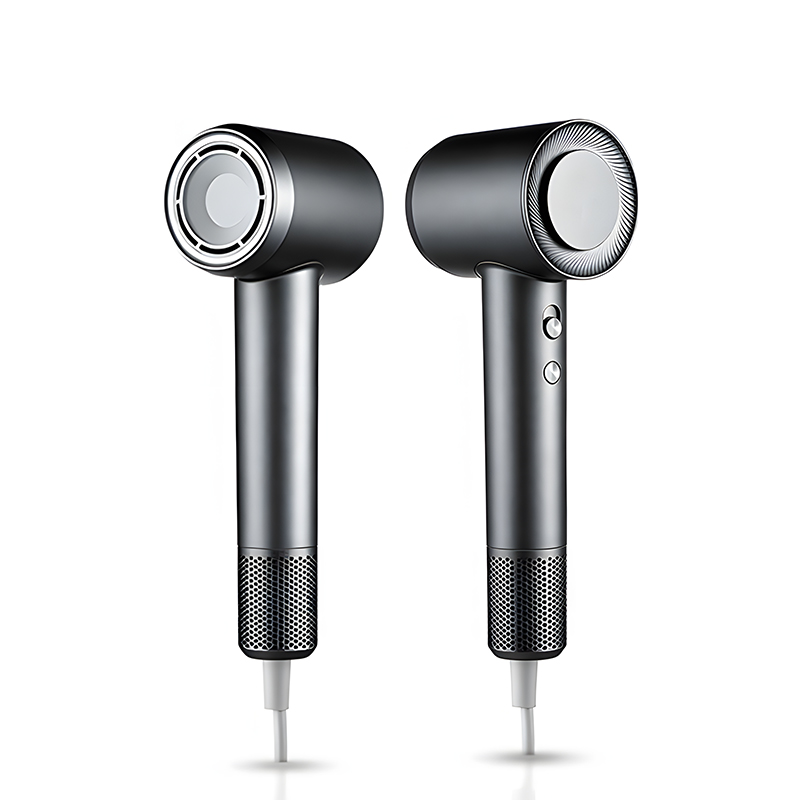
- AU770 Professional High-Speed Hair Dryer with Hair Care
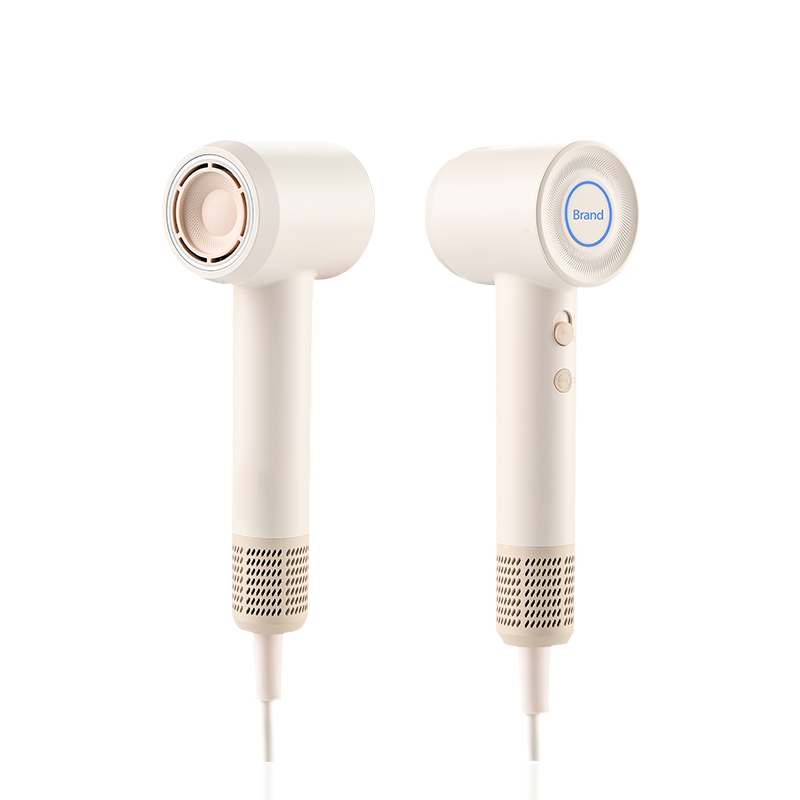
- AU770I AI Champagne Gold Hair Care Hair Dryer
-
Household Hair Care Tools Factory: How to Choose the Right OEM & ODM Partner
Two batches of the same hair dryer design. One earns a 4.6-star rating and clean reorder cycles. Th...
-
Hair Dryer Manufacturers: How to Evaluate OEM and ODM Partners for Your Brand
If two hair dryer manufacturers quote what looks like the same product — an 1800 W dryer with negat...
-
Personal Care Products Factory: A Buyer's Guide to Vetting OEM/ODM Partners
Three hair dryer samples land on the same desk in the same week. On paper they match: same wattage,...
-
Hair Styling Gadgets for OEM/ODM Brands: Selection and Manufacturing Guide
When a product manager at a personal care brand sits down to review a new line of hair styling gadg...
-
Pet Bath Drying Machine: How to Choose Automatic Dryers for Cats and Dogs
The first area you towel-dry on a medium-sized dog is usually wet again by the time you reach the h...
-
How Hot Does a Hair Dryer Get and Can You Take It on a Plane
Personal Care Appliance Guide How Does a Hair Dryer Work, and What Should Users Know Before Choosi...
- Home Products About Service News Contact
- Personal Care Products Pet Appliances
-
- Email: [email protected] Phone: +86-137 7710 9088 Add: Industrial Park of Henghe Town, Cixi City, Zhejiang Province, China
-
Contact Us Anytime for Exclusive Solutions
